Hakone Chokoku no Mori Bijutsukan and sculpture in the Hakone mountains
Published on 09/03/2026 at 18:11 | Editorial responsibility: Rafael Müller, Editor-in-Chief AD HOC NEWS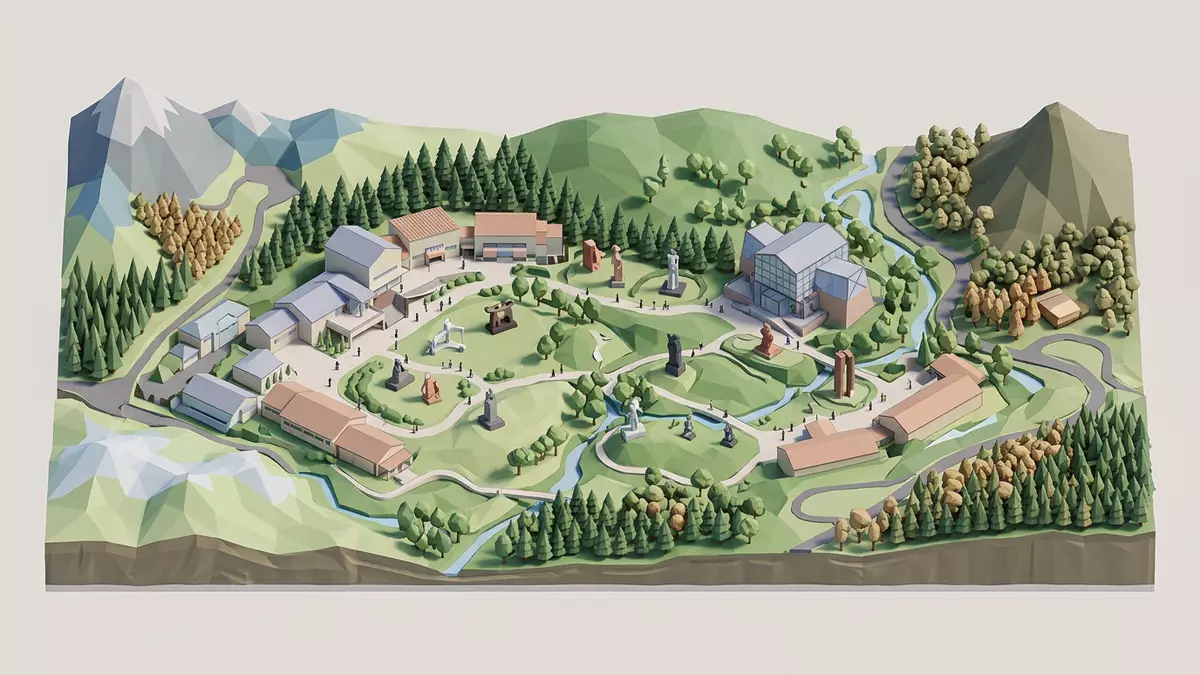
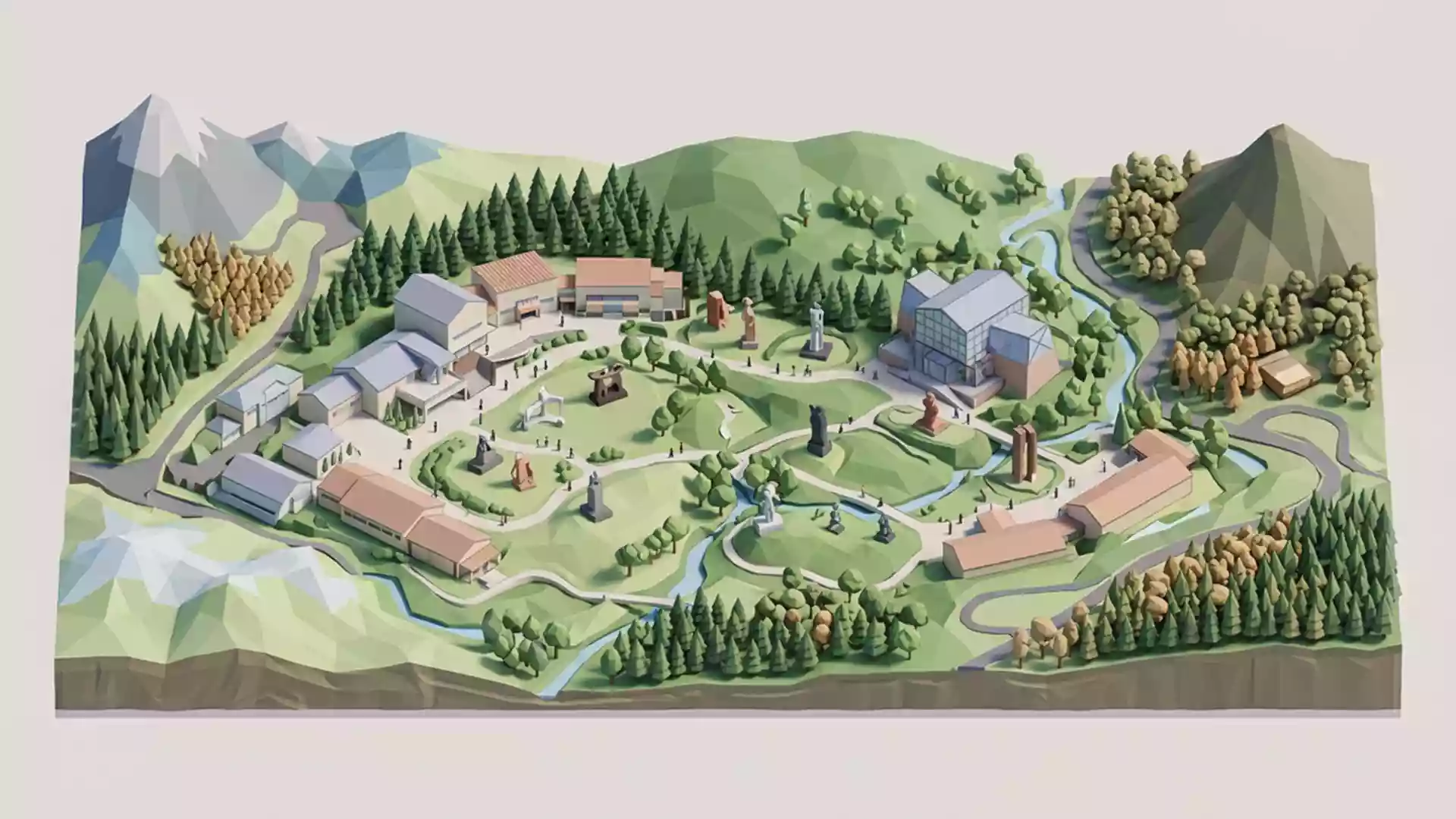
Hakone Chokoku no Mori Bijutsukan is an open-air art museum in Hakone where sculpture is set directly into the mountain landscape, with lawns, terraces and indoor galleries spread across a broad hillside. Opened in 1969, it is recognised as Japan’s first museum dedicated to outdoor sculpture and sits within the wider Fuji-Hakone-Izu National Park in Kanagawa Prefecture.
Sculpture in a 70,000 m² landscape
The grounds of Hakone Chokoku no Mori Bijutsukan extend across around 70,000 m² (753,474 sq ft) of gardens and slopes, giving modern and contemporary sculpture a setting of open grass, trees and mountain views.Some 100 masterpieces by sculptors such as Auguste Rodin, Joan Miró and Henry Moore stand outside in the park, mixed with works by Japanese artists including Taro Okamoto and Churyo Sato.About 120 sculptural works are kept on permanent display under Hakone’s sky.
The outdoor layout follows the contours of the Hakone mountains, with pathways leading between lawns, planted banks and viewpoints over the surrounding valley. Sculptures appear along these routes and in clearings, some on plinths and others emerging directly from the grass. The combination of art and landscape places each work against shifting backdrops of distant ridges, forest and changing weather, while still keeping the focus on the pieces themselves.
Picasso Pavilion and indoor galleries
Beyond the outdoor park, Hakone Chokoku no Mori Bijutsukan includes several indoor spaces that hold parts of its collection and give visitors a different way of seeing sculpture and painting. The Picasso Pavilion exhibits works across two levels, displaying paintings, sculptures and ceramic pieces by Pablo Picasso together with photographs from different stages of his life.The Picasso Exhibition Hall forms one of the best known parts of the museum’s indoor programme.
Other galleries on the site show changing exhibitions of modern art and parts of a broader collection that now encompasses more than 2,000 works, including paintings from the 1970s onwards.The museum foundation’s collection spans both sculpture and painting, reflecting its position as a long-established institution in post-war Japanese art. Inside these buildings, sculpture appears in more conventional gallery settings, with controlled light and curated sequences that complement the open-air displays outside.
Origins, founders and forest footbath
Hakone Chokoku no Mori Bijutsukan was founded by the Fujisankei Communications Group and opened in 1969 as the first museum in Japan dedicated specifically to sculpture in an outdoor setting.Nobutaka Shikanai, the museum’s founder and first director, played a central role in establishing the institution and its focus on bringing three-dimensional art to a wider public. The museum’s location in Hakone connects it to a region long known for hot springs, mountains and travel from Tokyo.
Alongside the galleries and sculpture park, Hakone Chokoku no Mori Bijutsukan incorporates facilities that take advantage of its setting in forested terrain and an onsen region. A forest footbath provides a place where visitors can sit outdoors and immerse their feet in naturally heated spring water while looking out towards the trees.The museum highlights this footbath as one of its distinctive features. Families encounter interactive outdoor sculptures designed for children, while restaurants and shops are integrated into the site for longer visits.
Visiting Hakone Chokoku no Mori Bijutsukan: what travellers from Western Europe should know
- Hakone Chokoku no Mori Bijutsukan stands in Ninotaira, Hakone-machi, in Kanagawa Prefecture, a short walk from Chokoku-no-Mori Station on the Hakone Tozan Railway.
- The museum grounds occupy sloping terrain with lawns, paved paths and stairs; moving between outdoor sculptures and indoor galleries involves walking on gradients and climbing steps.
- The official language is Japanese and the currency is the Japanese yen.
- Entry requirements depend on your nationality; UK travellers can check the FCDO travel advice at gov.uk/foreign-travel-advice, Irish travellers the Department of Foreign Affairs at ireland.ie.
Searching for Hakone Chokoku no Mori Bijutsukan on social platforms
These links open searches for Hakone Chokoku no Mori Bijutsukan on each platform.
Frequently asked questions about Hakone Chokoku no Mori Bijutsukan
Where is Hakone Chokoku no Mori Bijutsukan located?
Hakone Chokoku no Mori Bijutsukan is in Ninotaira, Hakone-machi, Ashigarashimo District, in Kanagawa Prefecture, within the Fuji-Hakone-Izu National Park in Japan.
What can visitors expect when exploring the museum?
A visit combines outdoor sculpture across extensive gardens and slopes with indoor galleries, including the Picasso Pavilion and exhibition halls for modern and contemporary art.
What makes Hakone Chokoku no Mori Bijutsukan distinctive among Japanese museums?
It opened in 1969 as Japan’s first open-air museum dedicated to sculpture, integrating more than 100 outdoor works, indoor collections and features such as a forest footbath in a mountain setting.