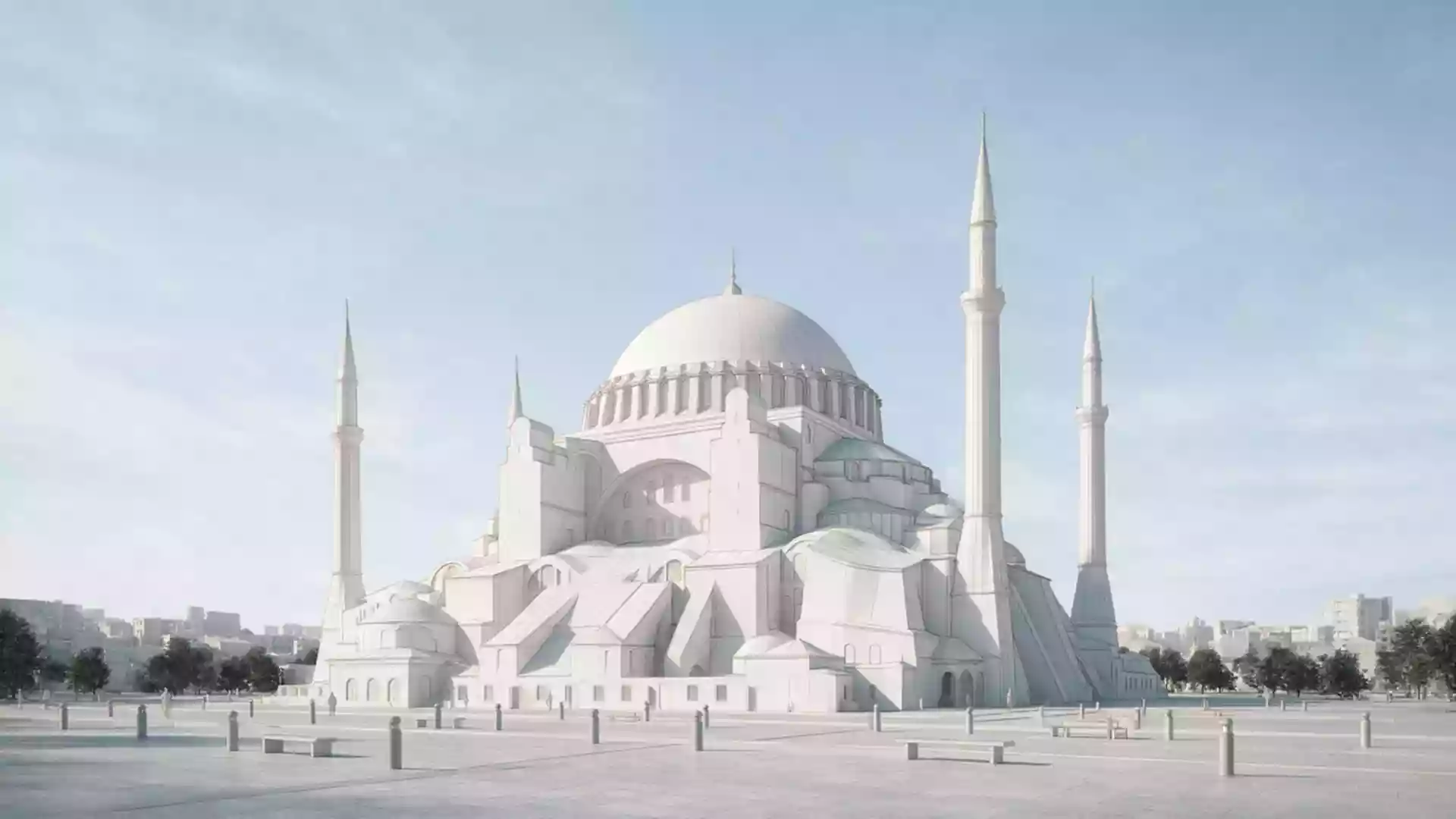
Hagia Sophia reveals tunnels cleared on 20 November
Published on 11/21/2026 at 11:58 | Editorial responsibility: Rafael Müller, Editor-in-Chief AD HOC NEWSUnderground restoration takes shape
- Culture Minister Mehmet Nuri Ersoy inspected the restoration beneath Hagia Sophia on 20 November 2026.
- Researchers have cleared 420 metres of tunnels and removed nearly 3,000 tonnes of fill material.
- The monument was built between 532 and 537 and forms part of the Historic Areas of Istanbul World Heritage Site.
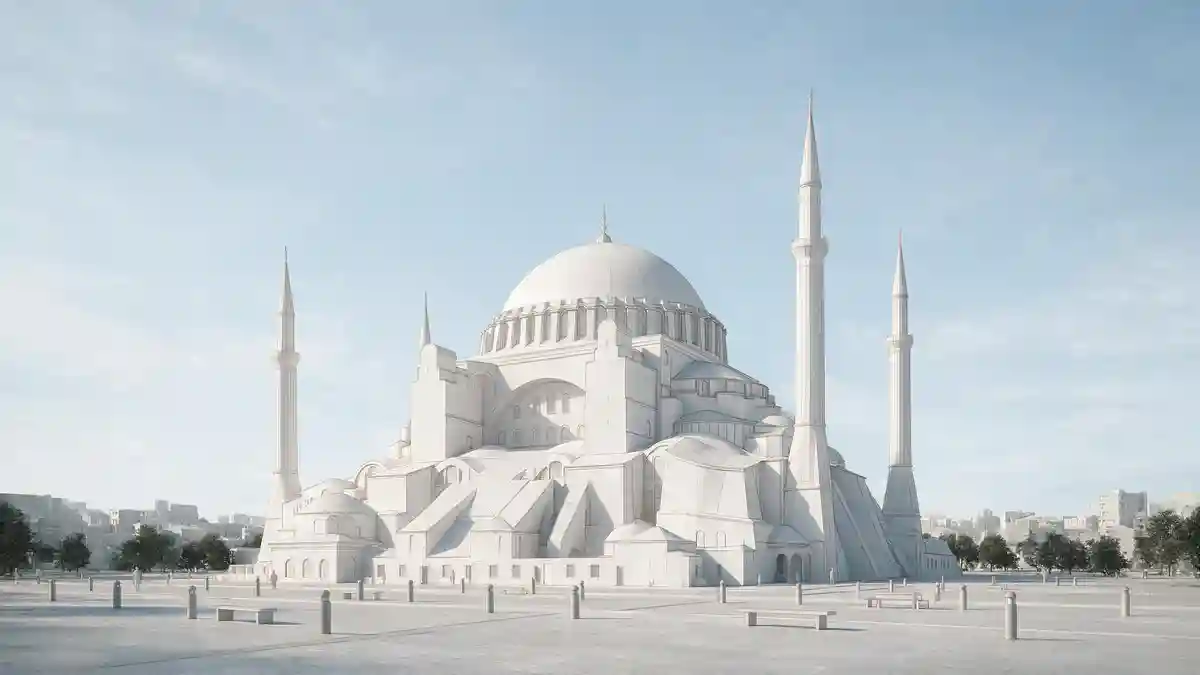
Hagia Sophia in Istanbul reached a new stage of underground restoration on 20 November 2026, when Culture and Tourism Minister Mehmet Nuri Ersoy inspected the works. The project has cleared historic tunnels beneath the mosque and is examining whether suitable sections could eventually be presented to visitors.
Hagia Sophia restoration reaches its underground tunnels
Ersoy said teams had removed nearly 3,000 tonnes of fill from the Vezir Garden and West Garden areas. They have now cleared a tunnel network measuring 420 metres in total, while excavation, documentation and structural reinforcement continue below the building.
The work also identified six underground spaces and nine associated tunnels in the West Garden. Seven tunnels have been cleared of accumulated earth, while the remaining two are being surveyed and documented. A four-room hypogeum, or underground burial structure, in the Vezir Garden has also been excavated.
The longest cleared route, Tunnel 4, measures 180 metres and runs parallel to the entrance facade from the area in front of the Fatih Madrasa towards the visitor entrance. Researchers believe it may be connected with a historic Roman road, although its original function still requires further investigation.
The restoration has revealed evidence linked to historic water distribution and rainwater drainage. It has also exposed architectural layers that officials believe may predate the present building. The same findings connect the current conservation work with Istanbul's earlier infrastructure rather than treating the underground areas as an isolated archaeological discovery.
Sixth-century building gains a new archaeological dimension
The present structure was built under Emperor Justinian between 532 and 537. Architects Anthemius of Tralles and Isidorus of Miletus designed the building, whose large dome became a defining achievement of Byzantine architecture.
Hagia Sophia served as a church before becoming a mosque in 1453, a museum in 1934 and a mosque again in 2020. It stands within the Historic Areas of Istanbul, which were added to the UNESCO World Heritage List in 1985, according to UNESCO's 1985 listing.
The underground findings give the restoration a direct link to those successive periods. Water channels, burial structures, vaulted spaces and possible earlier layers show that the monument's history extends beneath its visible walls as well as through its dome, galleries and prayer space.
Structural work is continuing alongside the investigation. Restoration teams have repaired damaged vaults and reinforced sections of the tunnels with stainless steel supports, while technical studies are assessing the underground network's ventilation capacity.
Ersoy said the ministry plans an exhibition project for suitable underground sections. The announcement did not set an opening date, and any future access will depend on conservation work, scientific assessment and visitor safety. The latest details were reported by Anadolu Agency's 20 November report.
Visiting Hagia Sophia: what travellers from Western Europe should know
- The current restoration update concerns 20 November 2026, and the underground tunnels are not presented as an announced visitor route.
- The planned exhibition concerns suitable underground sections, but no opening date has been announced and conservation and safety conditions remain decisive.
- Hagia Sophia is in Sultanahmet, Istanbul, within the Historic Areas of Istanbul World Heritage Site.
- The site is a working mosque, while the underground areas contain narrow tunnels, chambers and structural works that are not part of the announced visitor access.
Searching for Hagia Sophia on social platforms
These links open searches for Hagia Sophia on each platform.
Frequently asked questions about Hagia Sophia
What has changed at Hagia Sophia?
Restoration teams have cleared 420 metres of underground tunnels and removed nearly 3,000 tonnes of fill material. The work has also revealed six spaces, nine tunnels and a hypogeum.
When could the underground exhibition open at Hagia Sophia?
The ministry plans an exhibition project for suitable underground areas, but no opening date was announced on 20 November 2026.
Where is Hagia Sophia and how do you get there?
Hagia Sophia is in Sultanahmet, the historic centre of Istanbul. It forms part of the Historic Areas of Istanbul World Heritage Site, inscribed in 1985.