
Haeinsa and the wooden canon of Mount Gayasan
Published on 09/24/2026 at 07:33 | Editorial responsibility: Rafael Müller, Editor-in-Chief AD HOC NEWS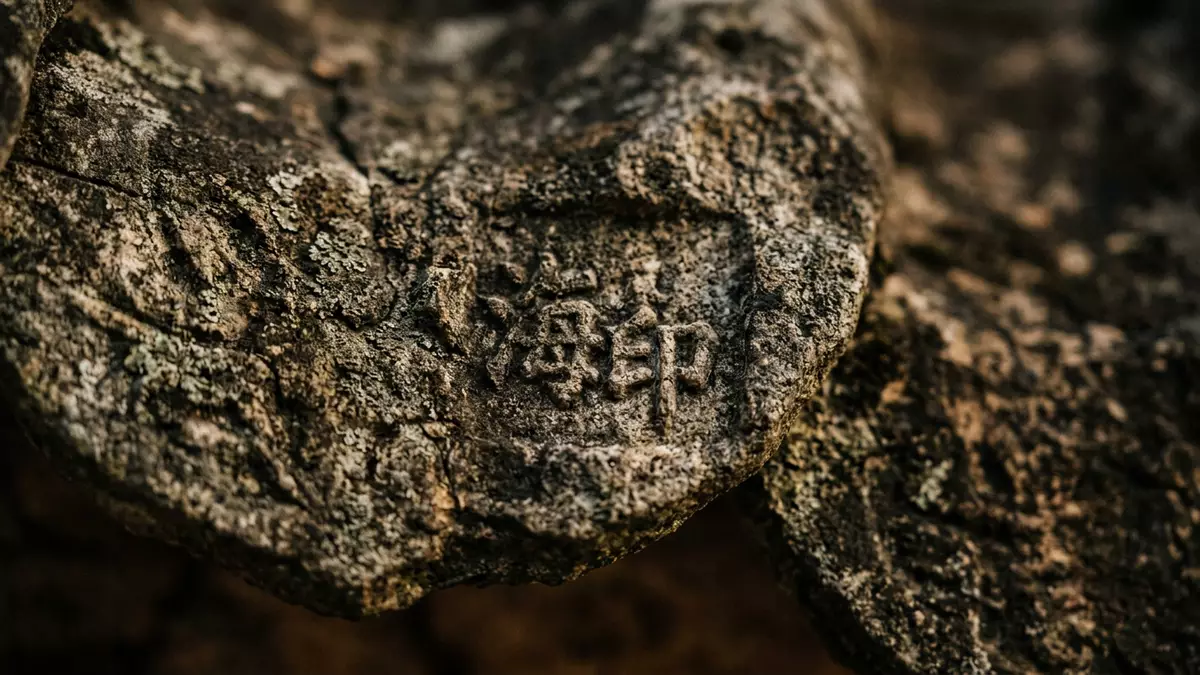
Haeinsa occupies a forested setting on Mount Gayasan in Hapcheon, South Korea, where timber architecture and Buddhist scripture share the same cultural landscape. Its defining feature is the Tripitaka Koreana, a collection of approximately 80,000 woodblocks engraved between 1237 and 1248.
Haeinsa on Mount Gayasan
Haeinsa was founded in 802 during the Silla period, a time when Buddhism shaped religious life and court culture across the Korean peninsula. The monastery belongs to Korea’s principal Buddhist tradition and remains associated with the Hwaeom school, known in English as the Flower Garland school.
The complex lies within the mountainous landscape of Gayasan National Park. Forested slopes, temple courtyards, wooden halls and stone elements form the physical setting for a religious institution whose history reaches from the Silla Kingdom through the Goryeo and Joseon periods. The temple’s name and identity are inseparable from both the mountain and the scriptures preserved there.
The Tripitaka Koreana in carved wood
The Tripitaka Koreana is a complete Buddhist canon carved onto wooden printing blocks. Its texts include scriptures, laws and treaties, while the carved Chinese characters form a remarkably consistent visual field across the blocks. The collection was produced during the Goryeo Kingdom, whose dates are conventionally given as 918 to 1392.
The blocks belong to the thirteenth century, when the Goryeo court and Buddhist communities faced the upheaval of Mongol invasions. The surviving collection is valued as both a religious record and an achievement in wood engraving. A complete Buddhist canon is held within the Haeinsa complex.
Janggyeong Panjeon and Joseon timber halls
The woodblocks are housed in Janggyeong Panjeon, a depository complex dating from the fifteenth century. It consists of two long buildings and two smaller buildings arranged around a courtyard, at a higher level than the hall containing the complex’s principal Buddha image.
The halls have restrained early Joseon architecture, with timber framing, simple detailing and a carefully balanced arrangement of openings, shelves and walls. Their purpose is visible in the relationship between the buildings and the blocks: the depository is not a separate museum container, but an integral part of Haeinsa’s heritage. The fifteenth-century depositories are recognised for the conservation knowledge embodied in their construction.
Janggyeong Panjeon and the Tripitaka Koreana were inscribed together as a UNESCO World Heritage property in 1995. The designation covers the depositories, the blocks and the wider temple setting, including the relationship between the Buddhist monastery and Mount Gayasan. Haeinsa therefore brings together a functioning religious complex, historic wooden architecture and a major documentary collection.
Visiting Haeinsa: what travellers from Western Europe should know
- Haeinsa is in Hapcheon County, South Gyeongsang Province, on Mount Gayasan. The address is associated with Haeinsa-gil in Gaya-myeon, and the approach leads through a mountain environment.
- The site is reached by road from the Hapcheon area. The temple lies within Gayasan National Park, so the final approach includes forested mountain terrain and sloping paths.
- The official language is Korean and the currency is the South Korean won.
- Entry requirements depend on your nationality; UK travellers can check the FCDO travel advice at gov.uk/foreign-travel-advice, Irish travellers the Department of Foreign Affairs at ireland.ie.
Searching for Haeinsa on social platforms
These links open searches for Haeinsa on each platform.Frequently asked questions about Haeinsa
Where is Haeinsa?
Haeinsa is in Hapcheon County, South Gyeongsang Province, South Korea. The temple stands on the slopes of Mount Gayasan within Gayasan National Park.
What can visitors expect at Haeinsa?
The complex contains Buddhist halls, courtyards, timber buildings and the Janggyeong Panjeon depositories. The surrounding landscape is mountainous and forested.
What makes Haeinsa distinctive?
Haeinsa preserves the Tripitaka Koreana, a thirteenth-century Buddhist canon engraved on approximately 80,000 wooden blocks. Its fifteenth-century depositories form part of the same World Heritage property.


