
Haeinsa and the wooden canon of Korean Buddhism
Published on 09/14/2026 at 22:41 | Editorial responsibility: Rafael Müller, Editor-in-Chief AD HOC NEWS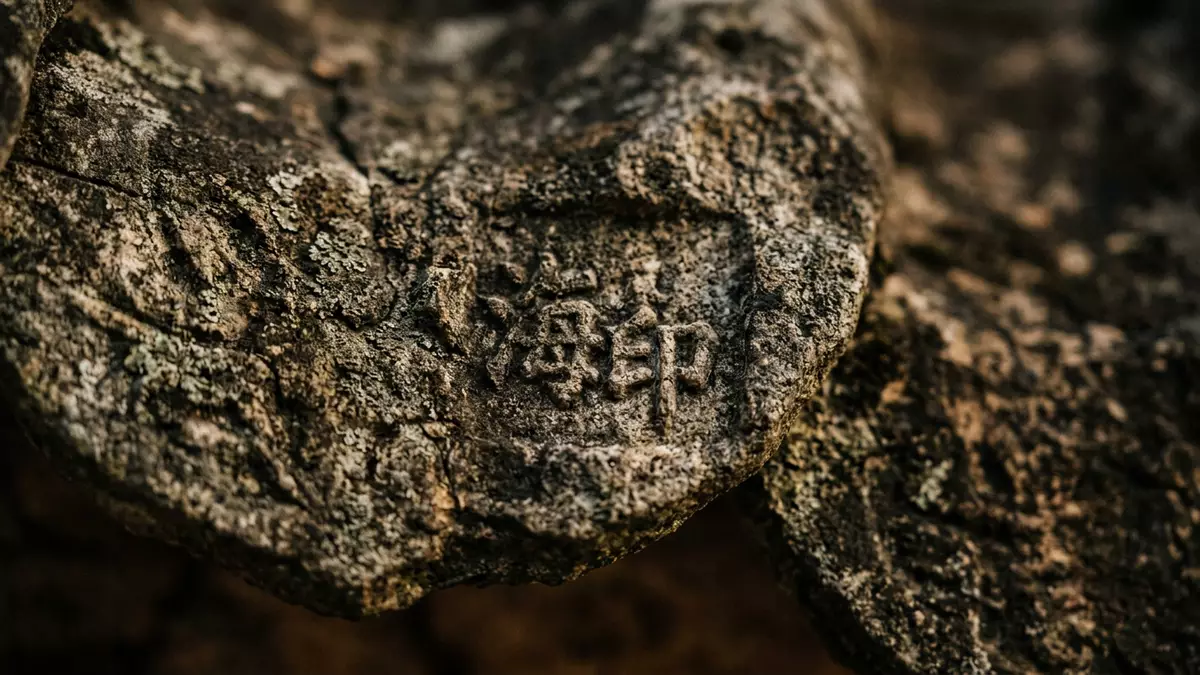
Haeinsa in Hapcheon is a major Buddhist temple complex where rows of wooden printing blocks preserve the Tripitaka Koreana, a carved canon housed in timber halls on Gayasan’s forested slopes. Founded in 802 during the Unified Silla period, it anchors Korean Seon Buddhism and stands as a World Heritage site recognised for both its scriptures and their fifteenth?century depository buildings.
Temple in the mountains of Gayasan
Haeinsa stands within Gayasan National Park in South Gyeongsang Province, its buildings arranged on the lower slopes of Mount Gaya above the valley settlements of Hapcheon. The temple is the head centre of the Jogye Order of Korean Seon Buddhism, and its name, derived from “Haein”, refers to an enlightened world and an undefiled mind in Buddhist teaching.Jogye Order head temple The setting combines tiled roofs, lanterns and courtyards with views to the ridges and forest that frame the site.
Founded in 802 by the monks Suneung and Ijung during the reign of King Ae?jang, Haeinsa has developed over more than a millennium as one of Korea’s three major temples, alongside Tongdosa and Songgwangsa.foundation in 802 by Suneung and Ijung Stone stairways, wooden gates and painted pavilions mark the ascent through the complex, while side halls enshrine statues and ritual objects used in the temple’s daily practice.
Tripitaka Koreana and the Janggyeong Panjeon halls
The defining feature of Haeinsa is the Tripitaka Koreana, a complete set of Buddhist scriptures carved onto tens of thousands of wooden printing blocks during the Goryeo dynasty. Between 1237 and 1248 artisans engraved the texts onto more than 80,000 blocks, creating what is regarded as one of the most comprehensive and carefully edited Buddhist canons in East Asia.engraved between 1237 and 1248 The blocks were moved to Haeinsa in 1398, and they remain stored there as a National Treasure and a UNESCO Memory of the World document.Tripitaka Koreana at Haeinsa
The woodblocks are housed in the Janggyeong Panjeon complex, a pair of long timber halls dating from the fifteenth century, set above the main temple yard on a stone terrace. These buildings, comprising Sudarajeon to the south and Beopbojeon to the north, form a specialised depository whose layout and construction were refined to protect the carved blocks from warping and decay.fifteenth?century depository halls Timber columns, clay walls and carefully spaced openings work with the internal arrangement of shelves to keep the long aisles of blocks in stable conditions.
World Heritage recognition and temple life
In 1995 UNESCO inscribed “Haeinsa Temple Janggyeong Panjeon, the Depositories for the Tripitaka Koreana Woodblocks” on the World Heritage List under cultural criteria that highlight both the exceptional corpus of texts and the antiquity and effectiveness of the buildings that protect them.World Heritage inscription in 1995 The recognition emphasises the combination of religious significance, craftsmanship in carving and joinery, and the ingenuity of the conservation methods embodied in the depository architecture.
Beyond the depository, Haeinsa functions as a living monastery where resident monks follow Seon Buddhist practice and lead rituals in the main worship halls. The complex includes lecture spaces, meditation rooms and monks’ quarters arranged among the older structures, while paths rise further into Gayasan for hermitages and subsidiary shrines. For visitors, the contrast between the active temple courtyards and the enclosed, heavily protected depository area underlines how scripture and daily practice intersect at this mountain site.
Visiting Haeinsa: what travellers from Western Europe should know
- Haeinsa lies in Hapcheon, on the slopes of Mount Gaya within Gayasan National Park in South Gyeongsang Province; it is reached by road from regional centres such as Daegu.
- The temple complex stands on a mountain hillside, and access between its courtyards involves stone stairways, uneven paving and gradients that require steady walking footwear.
- The temple is in South Korea, where the official language is Korean and the currency is the South Korean won.
- Entry requirements depend on your nationality; UK travellers can check the FCDO travel advice at gov.uk/foreign-travel-advice, Irish travellers the Department of Foreign Affairs at ireland.ie.
Searching for Haeinsa on social platforms
These links open searches for Haeinsa on each platform.
Frequently asked questions about Haeinsa
Where is Haeinsa located?
Haeinsa is a Buddhist temple complex on Mount Gaya in Gayasan National Park, near Hapcheon in South Gyeongsang Province in the south of South Korea.
What can visitors expect on a visit to Haeinsa?
Visitors encounter a working monastery with wooden worship halls, stone courtyards and, on the upper terraces, the Janggyeong Panjeon depository that shelters the Tripitaka Koreana woodblocks.
What makes Haeinsa distinctive among Korean temples?
Haeinsa is distinguished by housing the complete Tripitaka Koreana carved in the thirteenth century and by its fifteenth?century depository halls recognised as a UNESCO World Heritage Site.


