
Habana Vieja, Havanna’s historic streets of stone and plazas
Published on 08/30/2026 at 12:52 | Editorial responsibility: Rafael Müller, Editor-in-Chief AD HOC NEWS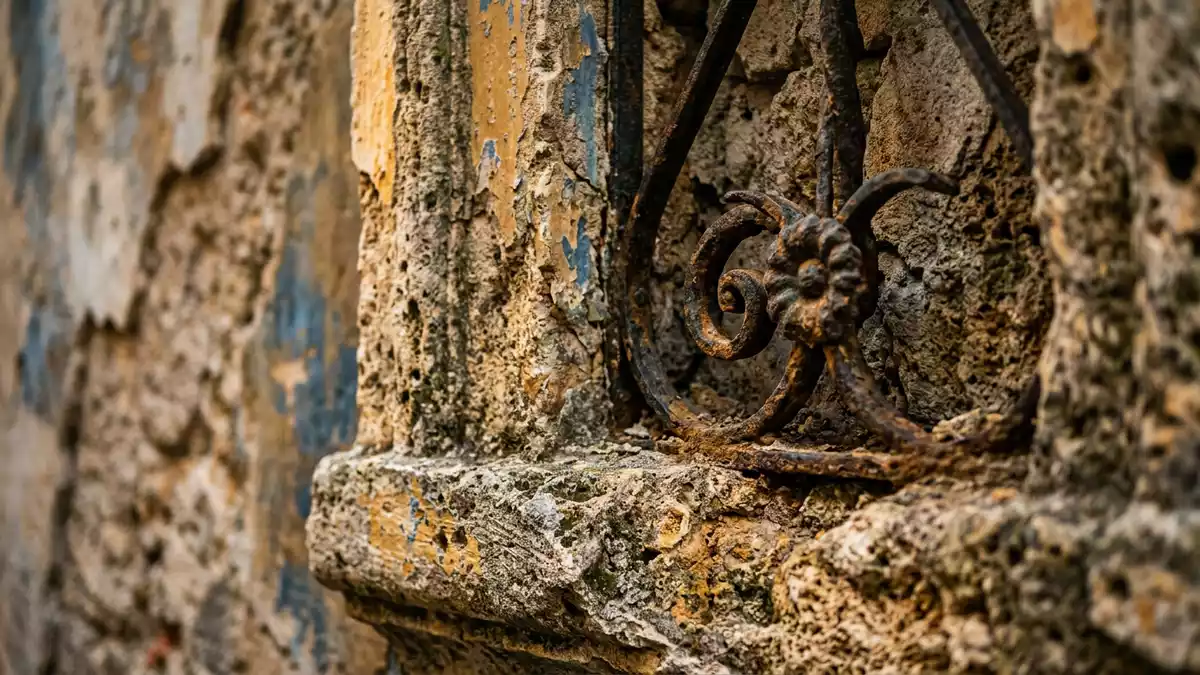
Habana Vieja, known internationally as Old Havana, is the historic core of Havanna on the edge of Havana Bay, where a compact grid of streets, plazas and fortifications still marks the early Spanish colonial city from the sixteenth century.
A World Heritage harbour city shaped by fortifications
Habana Vieja forms the historic centre of Cuba’s capital and corresponds to the old walled city that grew beside the port on Havana Bay, occupying part of central Havana and facing the entrance channel of the harbour.Old Havana and its Fortification System In 1982, UNESCO inscribed “Old Havana and its Fortification System” as a cultural World Heritage Site, recognising both the fortified harbour and the urban fabric of Habana Vieja.World Heritage Site in 1982
The World Heritage property carries the identification number 204 and is classified as a historic city and urban area located in Cuba, within the Latin America and the Caribbean region.World Heritage Identification Number 204 Fortifications such as harbour-side castles and defensive walls were constructed to protect Spanish shipping and the colonial settlement, and their outlines still define much of the district’s relationship with the sea.
Streets, plazas and domestic courtyards
Within Habana Vieja, the historic layout is articulated by plazas framed by stone buildings and churches, with streets forming short blocks that connect these open spaces to the waterfront and to the former city gates.Plaza ensemble in Old Havana Among the best-known plazas in the historic centre are Plaza de Armas, Plaza de la Catedral, Plaza Vieja, Plaza de San Francisco and Plaza del Cristo, each reflecting a different phase and function in urban life.principal squares of Old Havana
Domestic architecture in Habana Vieja is characterised by private houses with internal courtyards, thick masonry walls, balconies and arcades that line many streets, creating shaded passages and layered façades facing the stone paving.private houses with arcades and courtyards Wrought-iron gates and grilles often mark the boundary between street and courtyard, and many buildings remain low-rise, giving the district a relatively consistent roofline above its narrow lanes and plazas.historic core of Havana
Baroque and neoclassical monuments in a colonial grid
Architecturally, Habana Vieja presents a mixture of Baroque and neoclassical monuments set within a colonial street grid, with churches, convents and palaces constructed in stone and brick between the sixteenth and nineteenth centuries.Baroque and neoclassical architecture Religious complexes, civic residences such as palacios and commercial houses together form a coherent ensemble that reflects Spanish urbanism in the Caribbean port city.
The UNESCO criteria for Old Havana and its Fortification System include (iv) and (v), identifying Habana Vieja as an outstanding example of a type of building or landscape and of a traditional human settlement shaped by colonial trade routes.UNESCO criteria iv and v The municipal district of La Habana Vieja covers an area recorded in hundreds of hectares, with coordinates around 23° 8? N and 82° 21? W, and continues to function as both a residential neighbourhood and a concentration of historic structures.La Habana Vieja municipality
Visiting Habana Vieja: what travellers from Western Europe should know
- Habana Vieja occupies the historic centre of Havanna beside Havana Bay and is reached by road routes from other districts, with the old port area forming a clear reference point.
- The terrain consists of relatively level urban streets paved in stone, with approaches to churches, fortresses and upper floors often involving staircases and internal courtyards.
- The official language is Spanish and the currency is the Cuban peso.
- Entry requirements depend on your nationality; UK travellers can check the FCDO travel advice at gov.uk/foreign-travel-advice, Irish travellers the Department of Foreign Affairs at ireland.ie.
Searching for Habana Vieja on social platforms
These links open searches for Habana Vieja on each platform.
Frequently asked questions about Habana Vieja
Where is Habana Vieja located within Havanna?
Habana Vieja lies beside Havana Bay as the historic centre of Havanna, corresponding to the old walled city and forming one of the capital’s municipalities.
What should visitors expect when walking through Habana Vieja?
Visitors encounter stone-paved streets, plazas framed by churches and civic buildings, domestic houses with courtyards and arcades, and remnants of fortifications linked to the harbour.
What makes Habana Vieja distinctive among historic city districts?
Habana Vieja is distinctive for its combination of fortified harbour works, a colonial street grid, Baroque and neoclassical monuments and a formally recognised UNESCO World Heritage status dating from 1982.


