
Gyeongbokgung and the axial palace landscape of Seoul
Published on 09/15/2026 at 15:55 | Editorial responsibility: Rafael Müller, Editor-in-Chief AD HOC NEWS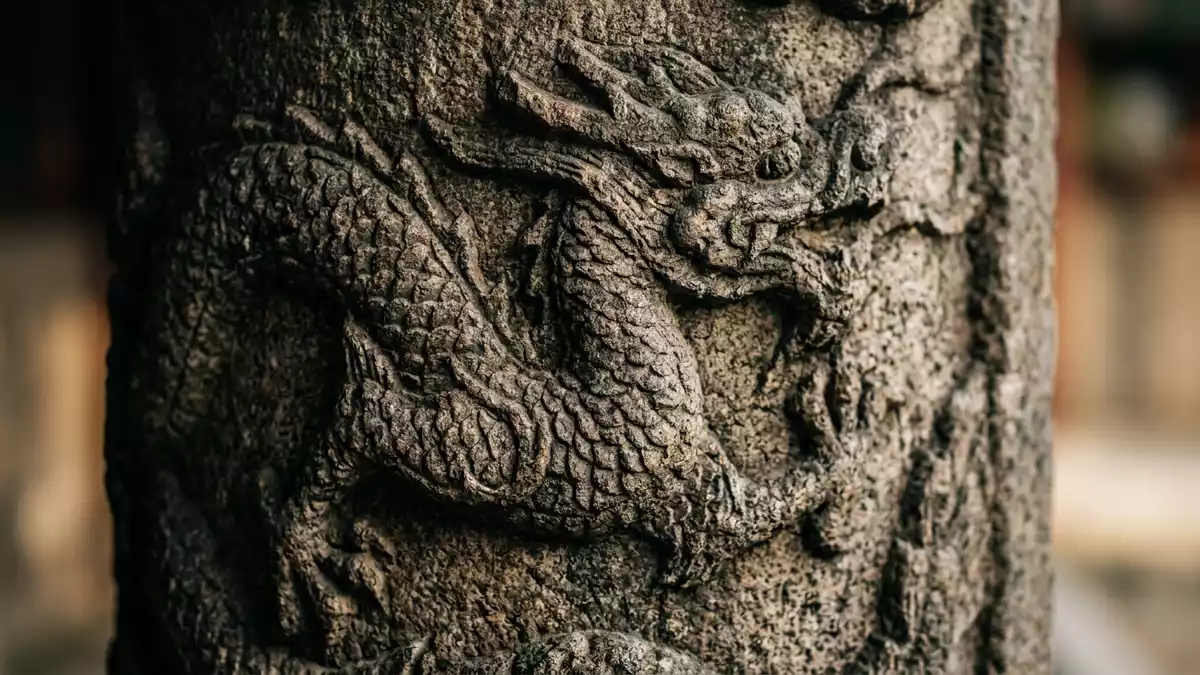
Gyeongbokgung is the grandest surviving royal palace complex in Seoul, laid out along a strict north–south axis at the foot of Bugaksan and first established in 1395 as the main seat of the Joseon dynasty.
Axis, mountain and water: a palace set in landscape
Gyeongbokgung occupies a broad tract of land in Jongno-gu, with its formal front facing the long boulevard historically known as Yukjogeori, now Sejong-ro, and its rear leaning against the slopes of Bugaksan mountain.built against the backdrop of Baegaksan The arrangement follows a geomantic pattern cherished in Korea, with high ground to the north and the wider city and river plain to the south, and the palace’s principal halls aligned in a straight line between them.
The name Gyeongbokgung is often translated as “Palace of Great Blessing”, echoing the wish that the new Joseon regime founded by King Taejo Yi Seong-gye in 1392 would prosper from its new capital at Hanyang, the historic name for Seoul.the name “Gyeongbok” means good fortunes From the southern edge of the site, visitors see the palace axis framed by the gate complex and low city beyond, while behind the inner halls the wooded ridge rises, making the relationship between court architecture and terrain immediately legible.
Gates, throne halls and living quarters
The formal progression into Gyeongbokgung begins at Gwanghwamun, the three-gated south entrance that serves as the main gate of the palace and stands at the northern end of Sejong-ro.the main and south gate of the palace Established in the fifteenth century as part of the palace’s entrance sequence, Gwanghwamun marks the transition from civic avenue to royal precinct, and leads into further inner gates such as Heungnyemun and Geunjeongmun. Beyond these gates lies Geunjeongjeon, the throne hall used for major state ceremonies, raised on stone platforms and flanked by sculpted guardian figures that show the craft of Joseon stone carvers.sculptures in Geunjeongjeon exemplify Joseon techniques
North of the throne hall, the sequence continues into Sajeongjeon, the council hall, and then into the residential compounds of Gangnyeongjeon and Gyotaejeon, where the king and queen lived during the dynasty’s long history.halls such as Geunjeongjeon, Sajeongjeon, Gangnyeongjeon and Gyotaejeon This hierarchy of spaces, from outer courts to inner living quarters, shows a clear distinction between areas used for official state ritual and those reserved for daily life at court, all housed in timber architecture with tiled roofs and courtyards that echo Confucian ideas of order.
Pavilions, ponds and museums inside the walls
Within the palace grounds, water and garden elements are as central as halls and gates. Gyeonghoeru Pavilion stands on stone columns above a wide artificial pond west of the main axis, once used for royal banquets and diplomatic receptions and now one of the most recognisable structures in the complex.Gyeonghoeru Pavilion within Gyeongbokgung Further inside the grounds, Hyangwonjeong Pavilion sits beside its own pond, reached by a small bridge and surrounded by planting that reflects the taste for composed landscape within palace walls.
Everyday artefacts and royal objects that once belonged to Gyeongbokgung are now interpreted in two museums integrated into the site. To the west outside Heungnyemun Gate stands the National Palace Museum of Korea, presenting court life and regalia from the Joseon period; within the palace, near Hyangwonjeong Pavilion, the National Folk Museum of Korea explores wider Korean cultural traditions.National Palace Museum and National Folk Museum of Korea Together with the restored halls and pavilions, these institutions make Gyeongbokgung both a physical remnant of royal Seoul and a place where the administrative, ritual and domestic worlds of Joseon are explained through objects.
Visiting Gyeongbokgung: what travellers from Western Europe should know
- Gyeongbokgung stands in Jongno-gu in central Seoul, at the northern end of Sejong-ro, with Gwanghwamun Gate facing the avenue and Bugaksan rising behind the palace.
- The palace grounds cover a large enclosed area with multiple courtyards, stone platforms and stairways between gates and halls, so a visit involves extended walking on paved and occasionally uneven surfaces.
- The National Palace Museum of Korea lies just outside Heungnyemun Gate, while the National Folk Museum of Korea is within the grounds near Hyangwonjeong Pavilion, making it possible to combine the palace architecture with museum collections in one visit.
- The official language is Korean and the currency is the South Korean won.
- Entry requirements depend on your nationality; UK travellers can check the FCDO travel advice at gov.uk/foreign-travel-advice, Irish travellers the Department of Foreign Affairs at ireland.ie.
Searching for Gyeongbokgung on social platforms
These links open searches for Gyeongbokgung on each platform.Frequently asked questions about Gyeongbokgung
Where is Gyeongbokgung in Seoul?
Gyeongbokgung stands in Jongno-gu in central Seoul, with its main gate Gwanghwamun opening onto Sejong-ro and the palace complex extending back towards Bugaksan.
What can visitors expect inside Gyeongbokgung?
Visitors encounter a sequence of gates, throne halls, residential quarters, pavilions and ponds laid out along an axial plan, together with museums that present Joseon court and folk culture.
What makes Gyeongbokgung distinctive among Korean palaces?
Gyeongbokgung is the principal Joseon royal palace, combining its mountain-backed site, formal axis, major ceremonial halls such as Geunjeongjeon and landmark pavilions like Gyeonghoeru within one extensive walled complex.


