
Grotta Azzurra on Capri and its luminous blue sea cave
Published on 09/08/2026 at 18:04 | Editorial responsibility: Rafael Müller, Editor-in-Chief AD HOC NEWS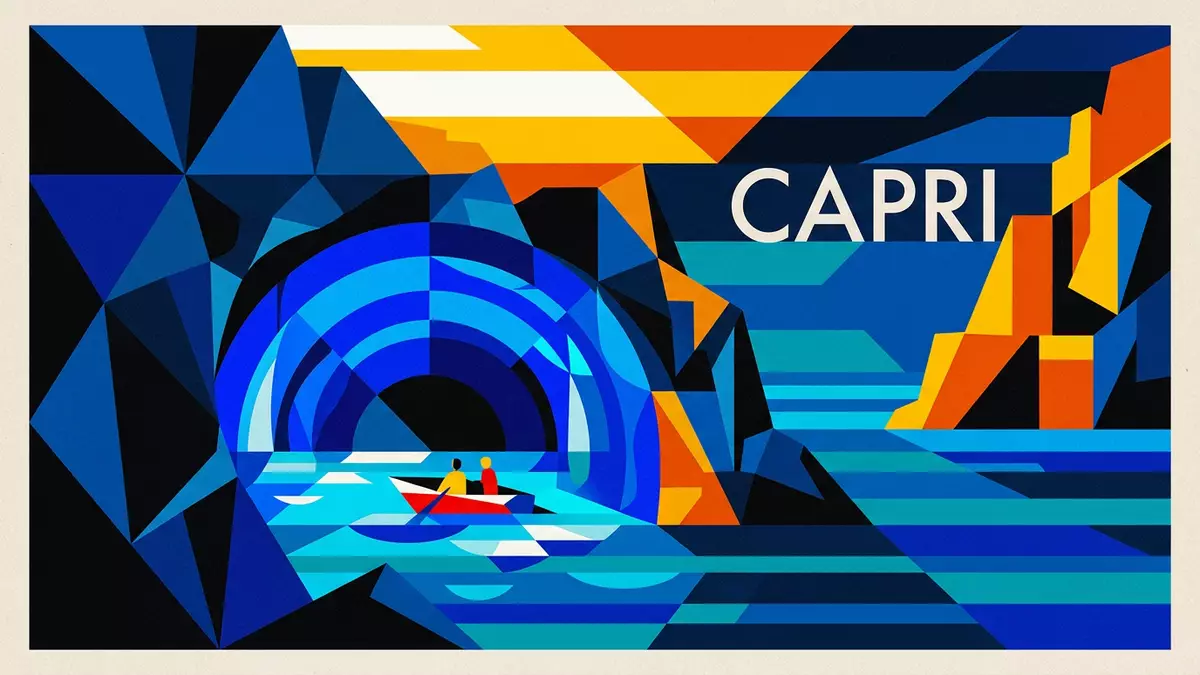
Grotta Azzurra on the island of Capri is a natural sea cave where seawater and sunlight combine to create a striking blue glow that fills a rock?walled chamber. Set on the north?western coast of Capri within the commune of Anacapri in southern Italy, the grotto links the cliffs directly with the Tyrrhenian Sea and has been associated with Roman imperial Capri since the first century AD.
A sea cave cut into Capri’s north?western cliffs
Grotta Azzurra is a karstic sea cave cut into the limestone cliffs on the north?western side of Capri, opening at the base of the rock face where it meets the Tyrrhenian Sea.sea cave on the northwest coast Administratively the grotto belongs to Anacapri, a municipality that occupies the higher slopes above the cave.located in Anacapri on Capri The entrance is low and narrow compared with the scale of the chamber beyond, with an opening at the rock face that is partly below the surface of the sea.
Inside, the main chamber extends back into the cliff with dimensions in the order of several dozen metres in length and around a couple of dozen metres in width, giving the interior a hall?like scale relative to most sea caves.about 60 m long and 25 m wide The ceiling rises well above the water, reaching heights of several metres, so the space feels enclosed yet high, with steep rock walls rising from the waterline. Beneath, the floor of the cave is sandy, and the water depth reaches in the region of more than 10 m, a figure confirmed by measurements published for the site.depth of about 13 metres with sandy bottom
The otherworldly blue light inside the grotto
The name Grotta Azzurra refers directly to the intense blue colour that characterises the water and lower walls inside the chamber.Italian name Grotta Azzurra Sunlight enters not only through the visible entrance, but also through a larger opening below water level in the outer cliff, and this submerged aperture is key to the luminous effect described for the cave. As light passes through the seawater, much of its red component is filtered, and the remaining light is reflected off the pale, sandy floor, so the water appears an intense, luminous blue rather than clear.bright blue reflections from refracted light
The glow is strongest across the surface of the water and along parts of the lower wall where the light reaches indirectly, while the upper portions of the chamber remain in shadow with rock formations emerging from the darkness. Boats entering the cave appear silhouetted against the illuminated water, and any object dipped into the sea takes on the blue colour from below. This contrast between the bright water and the darker roof gives Grotta Azzurra a distinctive atmosphere among Mediterranean sea caves, with the visual effect shaped by the relationship between the submerged opening, the sandy floor and the enclosing rock.
Roman traces and rediscovery in the nineteenth century
Archaeological finds indicate that Grotta Azzurra was known and used during the Roman imperial period, when Capri hosted villas linked to the emperor Tiberius in the first century AD.evidence of Roman use under Tiberius Remains associated with a small quay and steps, along with statues recovered from the cave floor representing marine figures such as Triton and Neptune, point to the grotto having functioned as a form of marine nymphaeum, a decorative sea?side grotto used for leisure during antiquity.Roman statues and nymphaeum use
After the Roman period the grotto passed out of regular use, and for many centuries local seafarers stayed away, with stories accumulating about spirits and dangers inside the dark chamber.abandonment in the Middle Ages Grotta Azzurra re?entered wider awareness in 1826, when the German?language poet August Kopisch and the painter Ernst Fries visited the cave with the help of local fisherman Angelo Ferraro; Kopisch later published accounts that drew attention to Capri’s luminous grotto among travellers of the nineteenth?century Grand Tour.visit by August Kopisch in 1826 Subsequent archaeological work in the twentieth century recovered further Roman statues from the cave floor, some of which are displayed in Anacapri.
Visiting Grotta Azzurra: what travellers from Western Europe should know
- Grotta Azzurra lies below the cliffs of Anacapri on the north?western coast of Capri, and access is organised either by boat from Marina Grande or by road from Anacapri to a small coastal embarkation point.
- The grotto is entered directly from the sea through a low opening in the cliff, using small rowing boats that pass through the partially submerged entrance into the larger rock chamber.
- The approach from land includes a descent on foot down a coastal staircase cut into the rock to reach the embarkation platform above the water, so the visit involves steps and uneven terrain.
- The official language is Italian and the currency is the euro.
Searching for Grotta Azzurra on social platforms
These links open searches for Grotta Azzurra on each platform.
Frequently asked questions about Grotta Azzurra
Where is Grotta Azzurra located?
Grotta Azzurra is on the north?western coast of Capri in southern Italy, within the municipality of Anacapri above the cliffs that frame the cave.
What should visitors expect inside the grotto?
Visitors enter by small rowing boat through a low sea?level opening and emerge into a larger rock chamber where the seawater and lower walls appear intensely blue.
What makes Grotta Azzurra distinctive among sea caves?
The grotto combines a sizeable enclosed chamber, archaeological traces of Roman use and a luminous blue effect created by refracted sunlight passing through seawater onto a sandy floor.


