
Grotta Azzurra and the blue sea cave on Capri
Published on 08/29/2026 at 17:50 | Editorial responsibility: Rafael Müller, Editor-in-Chief AD HOC NEWS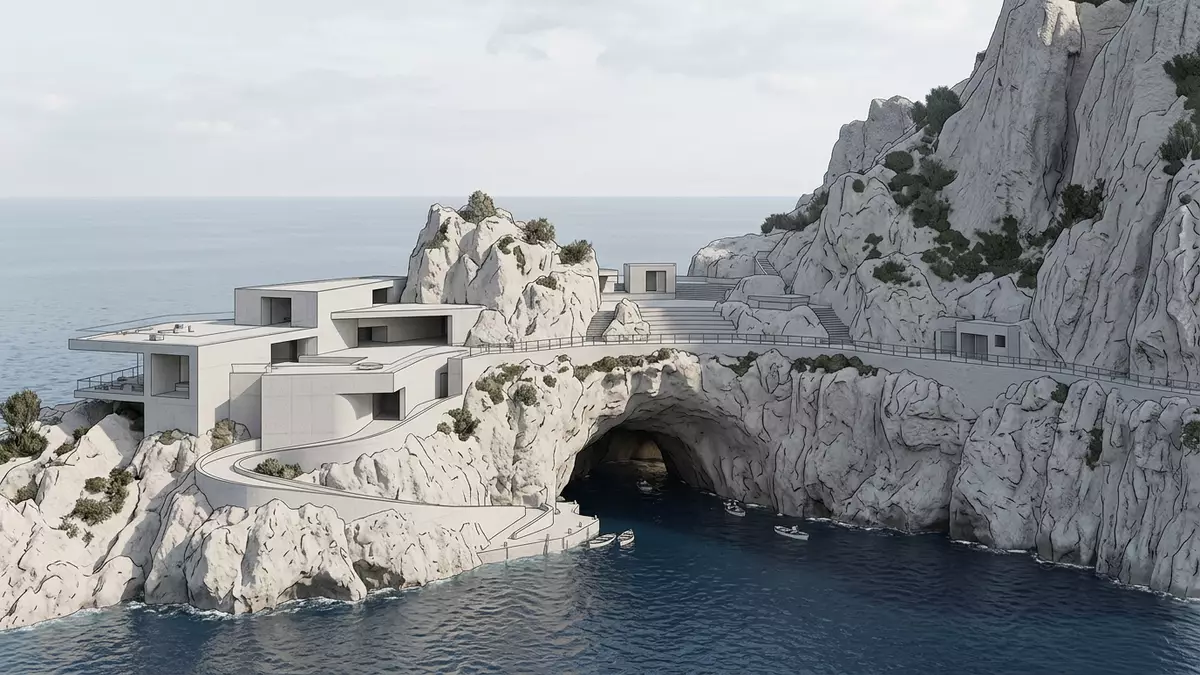
Grotta Azzurra, the Blue Grotto of Capri, is a sea cave on the island’s coast in southern Italy. Its blue light and compact entrance make the cave’s scale feel larger than the approach suggests, while Roman history anchors the place in the first century AD.
Capri’s sea cave of blue light and rock
The cave lies on the coast of Capri and is reached from the island by boat, with access also linked to the road above Grotta Azzurra and a staircase down to the water. Its name is attached to the cave’s colour, not to any built facade, and the setting remains entirely natural rock and sea.
The cavern measures about 54 m (177 ft) long, with published descriptions also giving figures of roughly 60 m (197 ft) in length and 25 m (82 ft) in width. The entrance is very low and narrow, and the interior opens into a much larger chamber behind it.54 m 60m by 30m
Roman Capri and the cave’s older life
Grotta Azzurra belongs to the Roman landscape of Capri. The cave was used in antiquity during the age of Emperor Tiberius, and the cave floor has yielded Roman remains that point to a marine shrine or bathing place.
That Roman association gives the grotto a layered identity: a natural sea cave that also carried ritual and domestic meaning in the imperial period. August Kopisch and Ernst Fries brought the cave back into wider European notice in 1826, but the older story matters as much as the later name.Emperor Tiberius 1826
Light, water and the chamber behind the entrance
The blue effect comes from sunlight passing through water in the cave and returning as a strong blue glow. The chamber is high enough for the rock walls and roof to read as a single enclosed space, while the sandy bottom lightens the water beneath it.
Visitors see a cave that is both confined and open-ended: low at the entry, broad inside, and set under rock that continues deeper into the cliff. Roman landing remains and later literary attention sit alongside the natural cavity, giving the place a long cultural afterlife.blue glow Roman times
Visiting Grotta Azzurra: what travellers from Western Europe should know
- The cave is on Capri, near Anacapri on the island’s coast. Boat access links the grotto with the sea, and a staircase descends from the road above.
- The entrance is low and narrow. Inside, the grotto opens into a larger cavity with a sandy bottom and a rock roof overhead.
- The cave is a sea setting, not a dry chamber. Its water and rock surfaces define the visit more than any built structure does.
- Roman remains have been recorded in the cave. They connect the natural setting with the imperial past of Capri.
Searching for Grotta Azzurra on social platforms
These links open searches for Grotta Azzurra on each platform.
Frequently asked questions about Grotta Azzurra
Where is Grotta Azzurra?
Grotta Azzurra is a sea cave on Capri, in southern Italy, near Anacapri on the island’s coast.
What does a visit involve?
The cave is entered from the sea, and the route includes a very low opening before the interior chamber. A staircase also connects the road above with the landing below.
What makes it distinctive?
The cave’s blue light is its defining feature, and its Roman history adds another layer to the natural sea setting. The cavern combines a narrow mouth, a larger interior and a sandy floor.


