
Great Zimbabwe’s dry?stone city above the Masvingo lowveld
Published on 08/19/2026 at 15:52 | Editorial responsibility: Rafael Müller, Editor-in-Chief AD HOC NEWS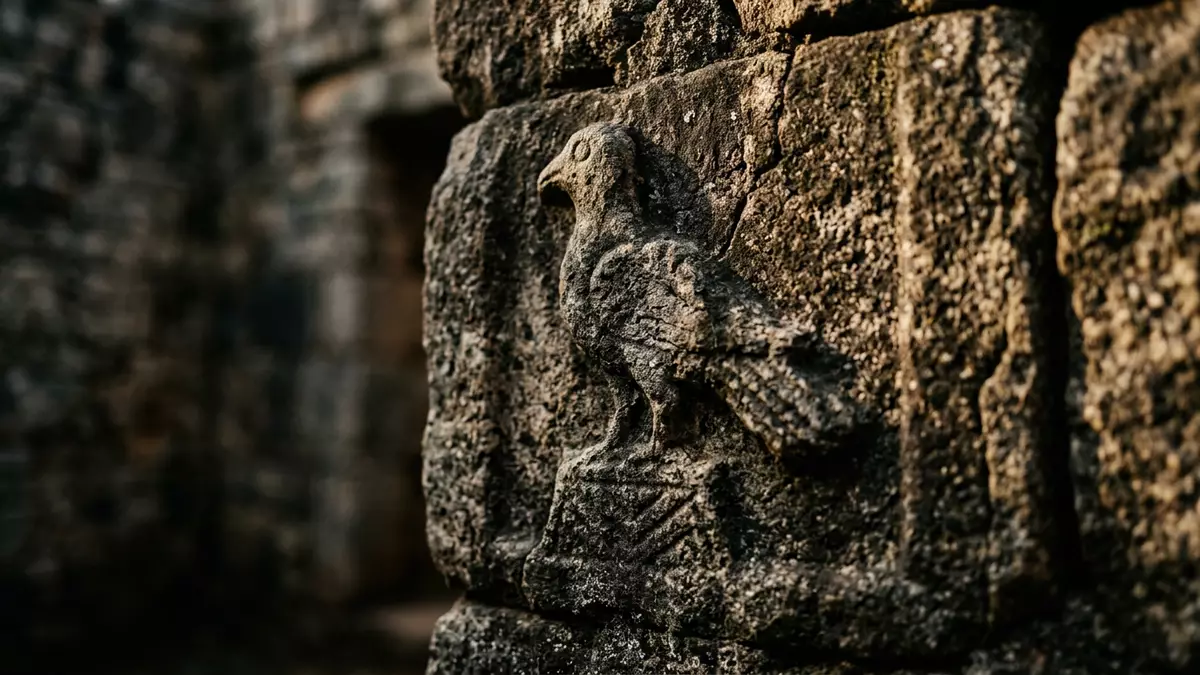
Great Zimbabwe, in the low hills south-east of Masvingo in Zimbabwe, is a sprawling ruined city of granite walls dating to the period between the eleventh and fifteenth centuries. Begun by Bantu-speaking ancestors of the Shona and expanded over more than 300 years, it became the centre of a powerful kingdom whose name was later adopted by the modern state.built between 1100 and 1450 AD
Stone walls that form a city in the hills
The most striking feature of Great Zimbabwe is the scale of its dry-stone architecture, which undulates across the granite landscape for many hundreds of hectares. The core ruins alone stretch over about 80 ha (198 acres), making this the largest of the known stone-built settlements in southern Africa, with further archaeological traces spreading across a wider zone of more than 700 ha.central area of ruins extends about 80 hectares
These walls are built without mortar, using locally quarried granite blocks carefully shaped and laid in horizontal courses, and many sections rise to substantial heights while following gently curving lines rather than straight axes.constructed and expanded for more than 300 years in a local style The overall city occupies lowveld terrain at an altitude of around 1,100 m (3,609 ft), with the principal clusters of ruins arranged on a granite hill and in the valley below.located in the lowveld at an altitude of some 1100 m
Hill Complex, Great Enclosure and Valley Ruins
Archaeologists usually divide Great Zimbabwe into three main groups of ruins: the Hill Complex on the granite outcrop, the Great Enclosure on the gentler slopes, and the Valley Ruins spread across the surrounding ground.three main areas: the Hill Complex, the Great Enclosure, and the Valley Ruins The Hill Complex is the oldest part of the site, forming a kind of acropolis of stone terraces, passageways and enclosures that follow the irregular shape of the granite summit.Hill Complex, a granite acropolis
On the lower ground to the south stands the Great Enclosure, a vast oval of dry-stone walling whose outer curtain reaches heights of around 11 m (36 ft) and runs for more than 240 m (820 ft).walls as high as 36 feet extending approximately 820 feet Inside, visitors encounter further internal walls, narrow passageways and the famous conical tower rising from the packed granite masonry. Beyond these core structures, the Valley Ruins preserve the stone outlines of former residential clusters, often combined with traces of earthen *daga* architecture that once formed substantial buildings beside the stonework.mortarless stone construction and ruined daga structures
From Shona kingdom to World Heritage symbol
Construction at Great Zimbabwe began in the eleventh century and continued into the fifteenth century, during which it functioned as the monumental centre of a Shona-speaking kingdom that controlled trade across the plateau and towards the Indian Ocean coast.stone remains of a medieval city in southeastern Africa The name “Zimbabwe” is derived from a Shona term often translated as “stone buildings”, reflecting the importance of these monumental walls in the region’s history.name given to stone ruins spread out over a 722 ha area
In the twentieth century the ruins were designated the Great Zimbabwe National Monument and then inscribed on the UNESCO World Heritage List in 1986, recognised for their cultural significance and for the insight they offer into the Bantu civilisation of the Shona between the eleventh and fifteenth centuries.Great Zimbabwe National Monument is a World Heritage Site The stone birds found in one of the hilltop enclosures have become national emblems, appearing on Zimbabwe’s flag and coat of arms and linking the ruined city to the identity of the modern country.famous bird sculptures were found
Visiting Great Zimbabwe: what travellers from Western Europe should know
- Great Zimbabwe lies south-east of Masvingo in south-eastern Zimbabwe, reached on roads that branch from the main route linking Masvingo with the Beitbridge corridor.about 30 km southeast of Masvingo
- The monument occupies hilly granite terrain, with paths that climb to the Hill Complex over uneven rock and stairways and other routes that cross between the Great Enclosure and the Valley Ruins.
- The ruins stand at an altitude of around 1,100 m (3,609 ft) in the lowveld, so visitors move between exposed hilltop areas and more sheltered spaces among the valley walls.lowveld at an altitude of some 1100 m
- English is an official language in Zimbabwe and the national currency is the Zimbabwean dollar.
- Entry requirements depend on your nationality; UK travellers can check the FCDO travel advice at gov.uk/foreign-travel-advice, Irish travellers the Department of Foreign Affairs at ireland.ie.
Searching for Great Zimbabwe on social platforms
These links open searches for Great Zimbabwe on each platform.
Frequently asked questions about Great Zimbabwe
Where is Great Zimbabwe located?
Great Zimbabwe lies in south-eastern Zimbabwe near Masvingo, in the lowveld at an altitude of around 1,100 m (3,609 ft) on and around a granite hill.
What can visitors expect when exploring the ruins?
Visitors move through dry-stone walls, passages and terraces in the Hill Complex, enter the vast Great Enclosure with its conical tower, and walk among the Valley Ruins.
What makes Great Zimbabwe distinctive among African heritage sites?
Great Zimbabwe is distinguished by its extensive mortarless granite walls, its clear division into hill, enclosure and valley sectors, and its role in giving Zimbabwe its modern name.


