
Great Wall of China hosts festival from 19 September
Published on 09/27/2026 at 17:51 | Editorial responsibility: Rafael Müller, Editor-in-Chief AD HOC NEWS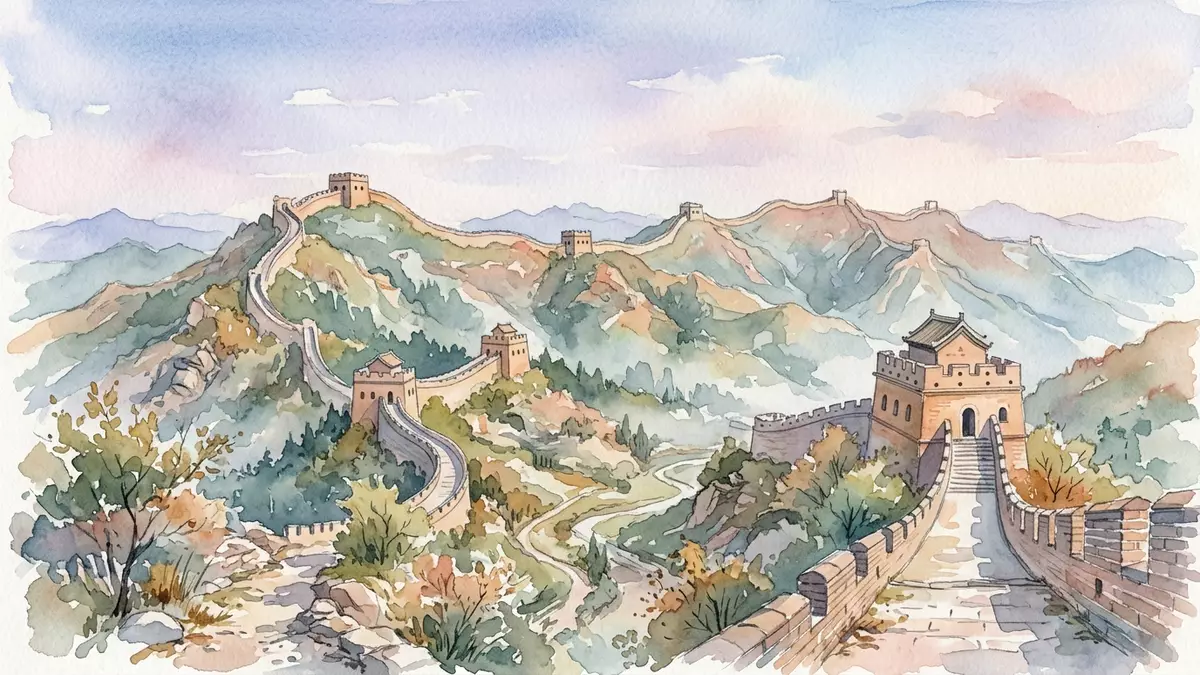
The Great Wall of China hosts the 2026 Beijing Great Wall Cultural Festival from 19 September to 7 October 2026 at Huanghuacheng Lakeside Great Wall Scenic Area near Beijing. The programme links the historic wall with performances, exhibitions and harvest traditions in northern China.
The festival remains under way on 27 September 2026, giving visitors from Western Europe a current reason to consider the Huanghuacheng section rather than treating the monument only as a historical attraction.
Great Wall Cultural Festival runs until 7 October
The Beijing Great Wall Cultural Festival opened on 19 September 2026 and continues until 7 October 2026. The official Beijing government programme names Huanghuacheng Lakeside Great Wall Scenic Area as its venue and presents the event as a sequence of themed weeks covering harvest experiences, Mid-Autumn culture, rural arts education and National Day activities.
Visitors can find a route of nine themed points, including an illuminated entrance tunnel, a lion dance, banner-balancing on the wall, a staged Ming dynasty border patrol and performances on Haoming Lake. The programme also includes a cultural exhibition about chestnut cultivation, a rural arts exhibition, a regular performance stage and a local harvest-themed cultural market. official festival programme
Huanghuacheng connects the festival with wall history
Huanghuacheng is a lakeside section of the Great Wall in Beijing. The festival places the trail beside Haoming Lake and an ancient chestnut orchard, so the cultural programme combines a built defensive landscape with local agricultural history.
UNESCO describes the Great Wall as a defence system formed by successive Chinese empires. Around 220 BC, Qin Shi Huang joined earlier fortifications into a united system, while construction continued until the Ming dynasty from 1368 to 1644. The property extends across northern China and includes walls, horse tracks, watchtowers, shelters, fortresses and passes. UNESCO World Heritage description
The festival's use of a wall trail, staged patrol and lake performances therefore gives the 2026 programme a direct setting in the defensive landscape described by UNESCO. Its chestnut displays add a local rural layer that is specific to the Huanghuacheng venue.
Visiting Great Wall of China: what travellers from Western Europe should know
- The festival runs from 19 September to 7 October 2026 at Huanghuacheng Lakeside Great Wall Scenic Area.
- The listed programme includes exhibitions, a cultural market, performances and themed visitor activities at the scenic area during the festival period.
- Huanghuacheng is in Beijing, China, and the event venue is the lakeside Great Wall scenic area named by the Beijing government.
- The visit involves a wall trail, so travellers should expect uneven historic surfaces and outdoor walking. The programme also uses the lakeside and an ancient chestnut orchard.
- China's official language is Mandarin Chinese and its national currency is the renminbi.
- Entry requirements depend on your nationality; UK travellers can check the FCDO travel advice at gov.uk/foreign-travel-advice, Irish travellers the Department of Foreign Affairs at ireland.ie.
Searching for Great Wall of China on social platforms
These links open searches for Great Wall of China on each platform.
Frequently asked questions about Great Wall of China
When does the Great Wall Cultural Festival take place at Great Wall of China?
The 2026 Beijing Great Wall Cultural Festival runs from 19 September to 7 October 2026 at Huanghuacheng Lakeside Great Wall Scenic Area.
What is Great Wall of China?
It is a defensive system built and extended by successive Chinese empires, with construction continuing from around 220 BC to the Ming dynasty.
Where is Great Wall of China and how do you get there?
The festival venue is Huanghuacheng Lakeside Great Wall Scenic Area in Beijing, China. The official programme identifies the scenic area as the location but does not specify a Western European transport route.


