
Gravensteen and the stone core of Gent
Published on 09/10/2026 at 11:35 | Editorial responsibility: Rafael Müller, Editor-in-Chief AD HOC NEWS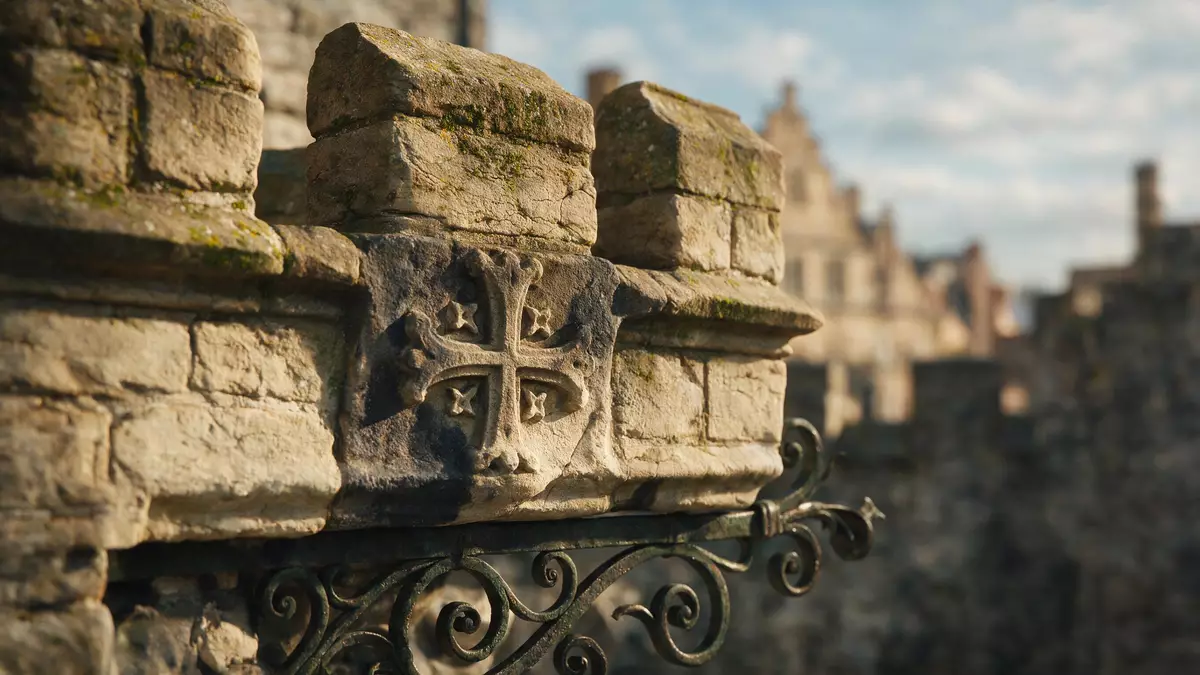
Gravensteen in Gent is a medieval fortress whose stone bulk still dominates the city centre. Its story begins with the Counts of Flanders, and the present castle took form in the twelfth century. What visitors meet first is a compact mass of walls, towers and battlements rather than a palace front.
Philip of Alsace and the stone fortress
The castle is closely linked with Philip of Alsace, who had it rebuilt in stone in 1180. The site had already carried earlier fortifications, and the later castle became the form that has defined it ever since.
That rebuilding gave Gravensteen a more forceful profile, with a central tower, enclosing walls and a gatehouse. The materials matter as much as the plan: the castle reads as a hard-edged stone structure in a dense urban setting.
Courts, prison and factory
Gravensteen changed function repeatedly. It served as an administrative centre and law court, and later held prison cells and torture chambers before it was turned into an industrial complex with cotton mills and workers’ dwellings.
The building that survives therefore carries several layers of use in one shell. Medieval masonry, court history and industrial reuse sit inside the same perimeter, and that mix is part of its appeal as a place to read rather than merely to view.
The restored medieval silhouette
The castle visible today reflects a restoration carried out in the late nineteenth and early twentieth centuries. That work gave the fortress back a more medieval outline, including the battlements and the strong vertical line of the main tower.
Inside, the castle still presents narrow tower stairs, corridors and high rooms. The interior and exterior are enough to show why Gravensteen remains one of Gent’s clearest medieval landmarks.
Visiting Gravensteen: what travellers from Western Europe should know
- Gravensteen stands in the centre of Gent, and the old city streets bring it into the urban fabric rather than isolating it on an open rise. Public transport reaches the city centre, and the castle is approached on foot from nearby streets.
- The building contains narrow tower stairs and high rooms, so its interior is vertical and compact. Battlements and enclosed corridors add to the sense of moving through a fortress rather than a museum hall.
- The official language is Dutch and the currency is the euro.
- Gent lies in Belgium, and Gravensteen belongs to the historic core of the city rather than to a suburban district.
- The castle’s medieval profile is visible from outside, with walls, towers and a gatehouse forming the main outline.
Searching for Gravensteen on social platforms
These links open searches for Gravensteen on each platform.
Frequently asked questions about Gravensteen
Where is Gravensteen?
Gravensteen stands in Gent, Belgium, in the city centre. It belongs to the historic urban core rather than to a separate parkland setting.
What does a visit involve?
A visit means moving through stone corridors, narrow stairs and high rooms. The fortress layout and the battlements remain the main features.
What makes Gravensteen distinctive?
Its distinctiveness lies in the combination of medieval fortress form, court history and industrial reuse. Few buildings in Gent carry those layers so visibly in one place.


