
Gravensteen: a stone fortress in the centre of Gent
Published on 09/16/2026 at 20:04 | Editorial responsibility: Rafael Müller, Editor-in-Chief AD HOC NEWS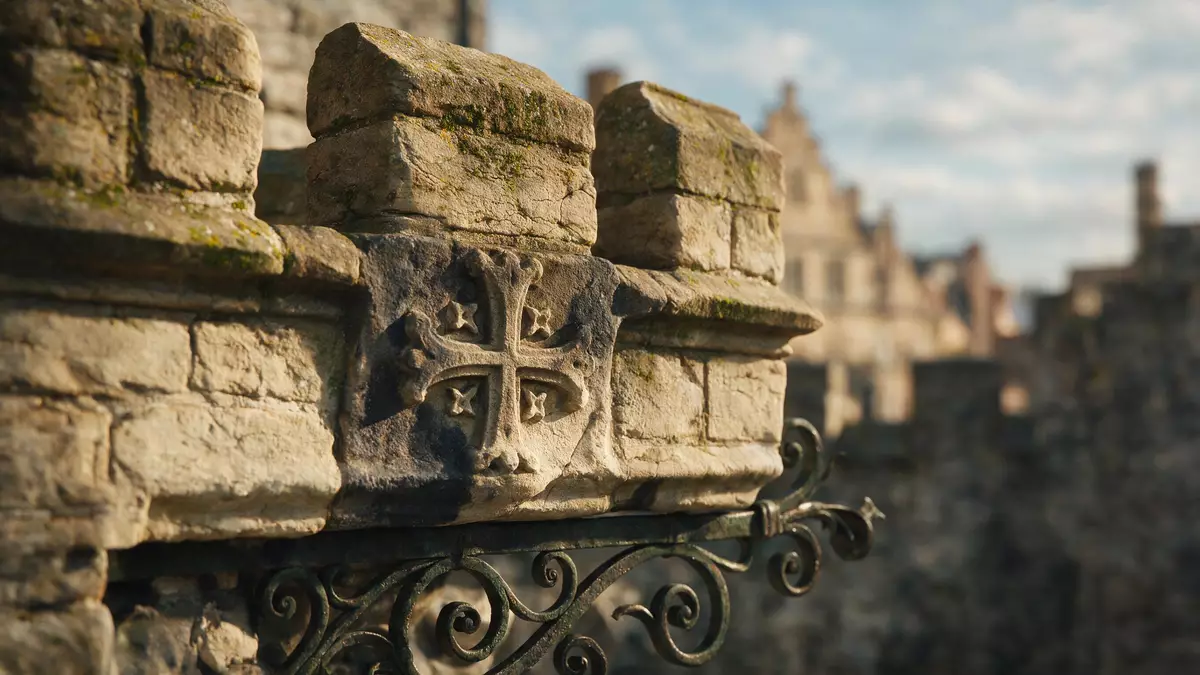
Gravensteen in Gent is a medieval stone fortress whose grey walls, towers and central keep still form a compact defensive complex in the middle of the city. Built in 1180 by Philip of Alsace as a residence for the Counts of Flanders, it later passed through many lives and stands today as a castle where stone, water and urban streets meet in a single enclosed structure.
A castle of the Counts of Flanders
The name Gravensteen translates as “castle of the counts”, and it refers directly to its role as the seat of the Counts of Flanders from the late twelfth century until the mid-fourteenth century.castle of the counts Philip of Alsace, Count of Flanders, had the present stone fortress constructed in 1180 on the site of earlier fortifications beside branches of the River Leie, giving it both a defensive position and a symbolic presence over Gent.built in 1180 by Philip of Alsace
The current castle replaced older structures whose beginnings reach back to fortifications associated with Arnulf I and Baldwin I in the early history of Flanders.early fortifications in the 9th century In its medieval form Gravensteen combined a central keep with surrounding curtain walls, a moat fed by nearby waterways and a fortified enclosure designed for residence and defence. Within these walls the counts held power over a growing trading city, and traces of their rule survive in the thick stone fabric and the arrangement of courtyards and halls.
Stone, water and fortification
Gravensteen is built primarily of stone, with high outer walls and a central donjon rising above the surrounding roofs of Gent.grey curtain walls and central keep The fortress stands as a water castle, its perimeter closely bounded by canals and a moat that give the impression of the castle emerging directly from the water. The outer walls are lined with battlements and projecting towers, forming a defensive ring around the inner buildings.
Inside the enclosure there is a keep at the heart of the complex, flanked by ranges that once contained residential rooms and service areas. The outer defensive system includes curtain walls with walkways, half-towers along the perimeter and a gatehouse facing Sint-Veerleplein.wall with battlements and halftowers The compact plan means that visitors can move from the enclosed central courtyard to the heights of the ramparts in a short space, gaining views over the surrounding streets and churches of Gent from the upper levels of the castle.
From seat of power to restored landmark
After the Counts of Flanders left Gravensteen as a residence in the fourteenth century, the castle took on other official functions. It served as a court and prison, holding judicial rooms and detention spaces within its stone walls.used as court and prison until the 18th century From the fourteenth to the fifteenth century it housed the city mint, with coin production taking place in a building that had once been a comital stronghold.site of Ghent's mint from 1353 to 1491
During the nineteenth century Gent became a textile centre, and Gravensteen was converted into a cotton mill with industrial structures occupying parts of the inner courtyard.converted into a cotton mill in the 19th century In the late nineteenth century the city began buying sections of the castle and launched a major restoration in a romantic Gothic style, led by architect Joseph De Waele between 1893 and 1907.restoration between 1893 and 1907 The restoration removed industrial additions and rebuilt parts of the walls and interiors, returning Gravensteen to a form that recalls its medieval appearance while preserving its setting in the urban fabric of Gent.
Visiting Gravensteen: what travellers from Western Europe should know
- Gravensteen stands in central Gent at Sint-Veerleplein, close to the River Leie and within walking distance of the city’s historic streets and squares.
- Inside the castle, access to the upper levels involves staircases, including narrow stone steps leading to the ramparts and the higher parts of the keep.
- Gent is in Belgium, where the official languages include Dutch; the national currency is the euro.
Searching for Gravensteen on social platforms
These links open searches for Gravensteen on each platform.
Frequently asked questions about Gravensteen
Where is Gravensteen located?
Gravensteen is located in the historic centre of Gent in Belgium, at Sint-Veerleplein near the River Leie and the medieval core of the city.
What can visitors expect inside Gravensteen?
Visitors encounter stone halls, a central keep, enclosed courtyards and access to the ramparts, with museum displays housed within the restored castle rooms.
What makes Gravensteen distinctive among castles?
Gravensteen is distinctive for its combination of a largely intact medieval defensive system, its position as a water castle and its location within a working city.


