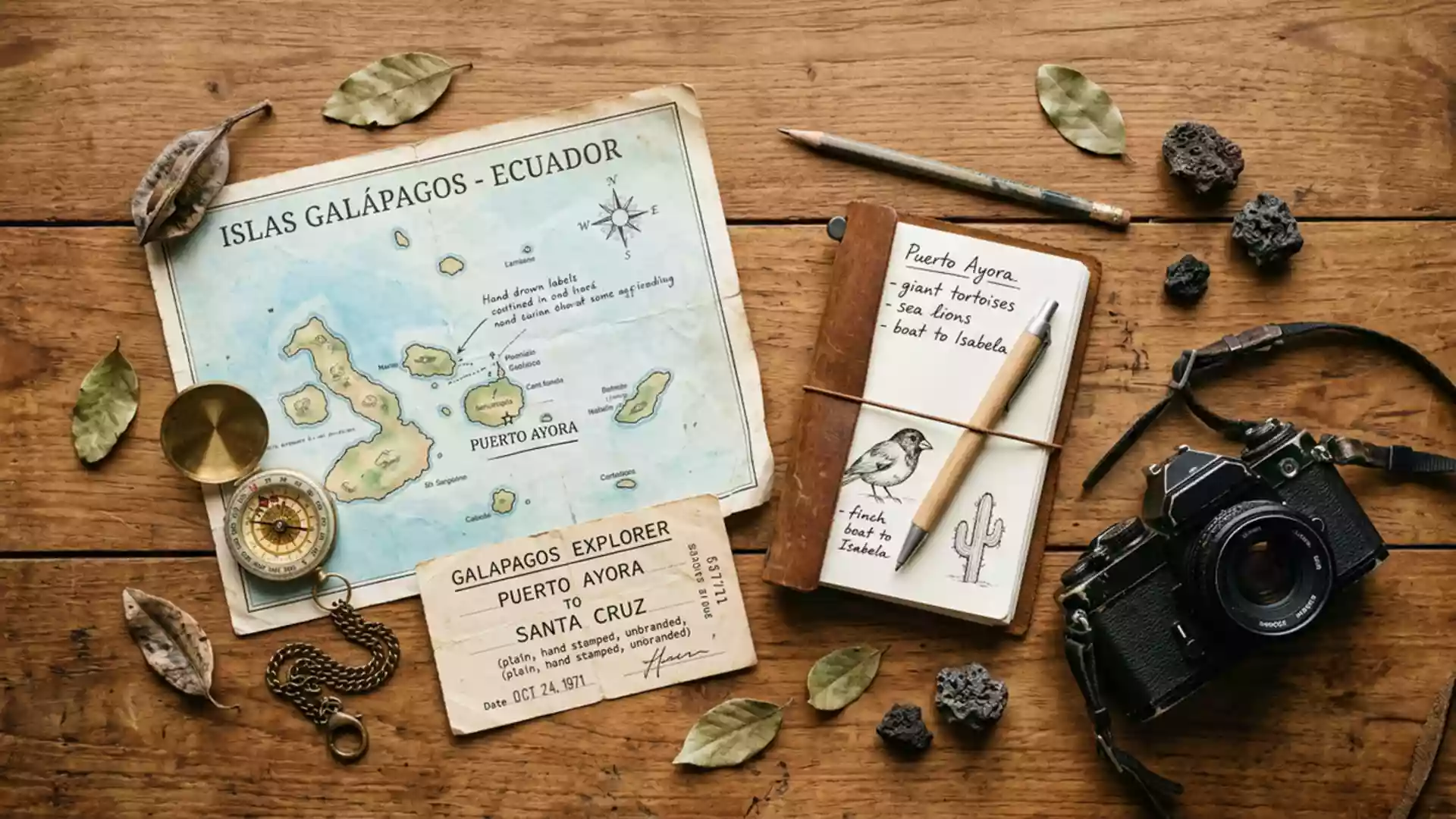
Galápagos Islands sees sea lion birth on 19 October
Published on 10/21/2026 at 20:53 | Editorial responsibility: Rafael Müller, Editor-in-Chief AD HOC NEWSWildlife birth and visitor guidance
- A sea lion pup was born on 19 October 2026 at Gus Angermeyer pier in Puerto Ayora under park monitoring.
- The mother moved the pup to the Harbour Master's area, where visitors should keep their distance and avoid contact.
- UNESCO inscribed the Galápagos Islands as a World Heritage site in 1978, covering 19 islands and a marine reserve.
- Puerto Ayora lies on Santa Cruz Island, one of the four inhabited islands in the archipelago.
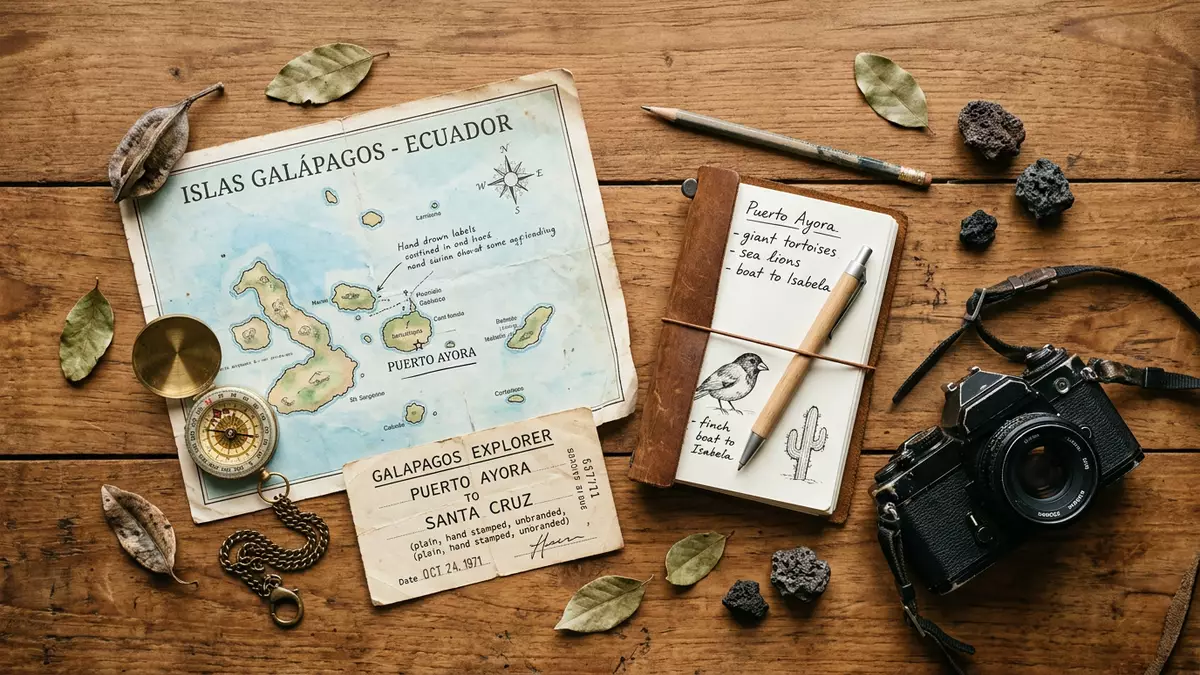
The Galápagos Islands (Islas Galápagos) recorded a sea lion birth on 19 October 2026 at Gus Angermeyer pier in Puerto Ayora, Ecuador. The Galápagos National Park Directorate is monitoring the mother and pup, while visitors are being asked to keep a prudent distance.
Sea lion birth brings new guidance to Puerto Ayora
The pup was born on the morning of 19 October at the entrance to the tourist pier. Shortly afterwards, its mother moved it to the Harbour Master's area, where park rangers continued to watch over both animals.
The authority has asked residents and visitors not to touch or feed the sea lions, to avoid disturbing them and to keep pets under control. The park monitoring report says the mother may leave the pup while she goes into the sea to feed, so a temporarily unattended young animal should not be treated as abandoned.
The birth took place in a working waterfront area rather than at a remote wildlife site. That makes the guidance directly relevant to a town visit: observation is possible only without approaching, surrounding or handling the animals.
Galápagos Islands connect town wildlife with conservation
Puerto Ayora is on Santa Cruz Island, one of the inhabited islands in the archipelago. The town is also home to the Charles Darwin Research Station and the headquarters of the Galápagos National Park Directorate, linking everyday visitor activity with scientific and conservation work.
UNESCO describes the World Heritage property as 19 islands and the surrounding marine reserve. It was inscribed on the World Heritage List in 1978, and its wildlife includes marine mammals as well as marine iguanas, giant tortoises and Darwin’s finches.
The sea lion birth therefore occurred within a place whose protected status covers both land and sea. The local pier setting shows how wildlife and public space meet in Puerto Ayora, while the park response keeps the immediate focus on the animals’ welfare. UNESCO’s World Heritage description records the islands’ protected setting and their role in the study of evolution.
Park monitoring keeps the pier visit wildlife-focused
The mother and pup remain the central concern after the 19 October birth. Reports from Puerto Ayora state that the park’s rapid wildlife response network followed the case, with rangers continuing to observe the animals after the move from the pier entrance.
The advice also applies beyond this particular sighting. Sea lions may rest around beaches, piers and other places close to human activity, but their presence does not make them available for contact. Visitors should follow ranger instructions and leave a clear route for the animals.
The Charles Darwin Research Station provides a separate conservation context in Puerto Ayora. Its campus includes public interpretation areas and research collections, making the town a base for understanding the species and habitats that the park is managing. Research station information describes its conservation and scientific role on Santa Cruz Island.
Visiting Galápagos Islands: what travellers from Western Europe should know
- The sea lion birth occurred on 19 October 2026 at Gus Angermeyer pier in Puerto Ayora, with the pup later moved to the Harbour Master’s area.
- Access to the waterfront is not reported as closed, but visitors must keep a prudent distance, avoid touching or feeding the animals, control pets and follow park ranger instructions.
- Puerto Ayora is on Santa Cruz Island in the Galápagos archipelago; the Charles Darwin Research Station and the Galápagos National Park Directorate are located in the town.
- The islands are a protected natural World Heritage site with volcanic terrain, marine habitats and wildlife areas where marked routes and local instructions must be respected.
- Entry requirements depend on your nationality; UK travellers can check the FCDO travel advice at gov.uk/foreign-travel-advice, Irish travellers the Department of Foreign Affairs at ireland.ie.
Searching for Galápagos Islands on social platforms
These links open searches for Galápagos Islands on each platform.
Frequently asked questions about Galápagos Islands
When did the sea lion birth take place at Galápagos Islands?
The pup was born on 19 October 2026 at Gus Angermeyer pier in Puerto Ayora.
What guidance applies after the sea lion birth?
Visitors should keep a prudent distance, avoid touching or feeding the animals, control pets and follow park instructions.
Where are Galápagos Islands and how do you get there?
The archipelago lies in the Pacific Ocean about 1,000 km from continental Ecuador, and Puerto Ayora is on Santa Cruz Island.