
Fushimi Inari Taisha and its hillside of vermilion gates
Published on 08/28/2026 at 15:06 | Editorial responsibility: Rafael Müller, Editor-in-Chief AD HOC NEWS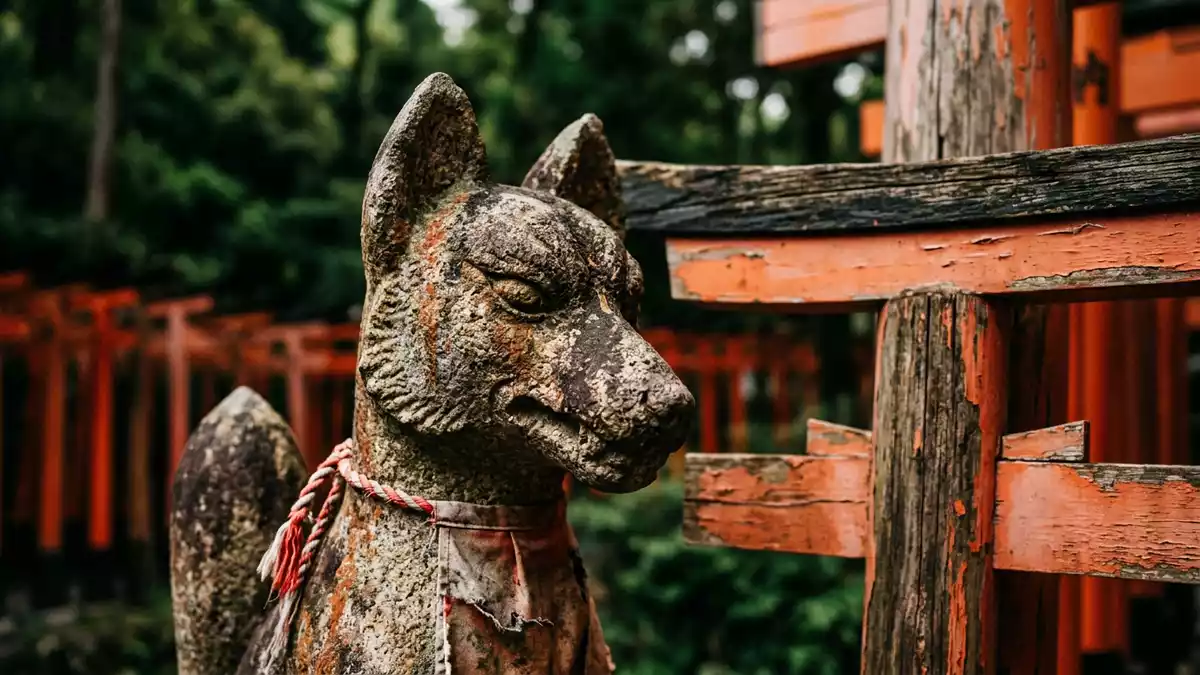
Fushimi Inari Taisha in Kyoto is a major Shinto shrine dedicated to the deity Inari, rising from urban streets into wooded slopes lined with dense rows of vermilion gates on Mount Inari.
From imperial-era foundation to head shrine of Inari
Fushimi Inari Taisha stands in Fushimi-ku in southern Kyoto, recognised as the head shrine for Inari worship across Japan and linked to a wide network of affiliated shrines.head shrine for Inari Inari is associated with agriculture, harvests and prosperity, and the shrine’s long history reflects that role in Japan’s religious landscape.deity of a good harvest
The shrine traces its origin to 711, during the Nara Period, when Inari Okami was first enshrined on the slopes of Mount Inari.Inari Okami was enshrined in 711 Over subsequent centuries Fushimi Inari Taisha received imperial recognition and high shrine rankings, reflecting its status in official Shinto classifications.history begins in 711 The long continuity of worship on this site makes a visit feel anchored in a clearly documented historical tradition rather than a single era.
Main shrine buildings and important cultural properties
At the foot of Mount Inari, Fushimi Inari Taisha presents an ensemble of shrine architecture centred on the main hall, or honden, which contains multiple shrines within a single timber structure.main shrine building contains five shrines The main shrine building, rebuilt in 1499, is designated as an Important Cultural Property of Japan, highlighting its architectural and cultural significance.rebuilt in 1499
Approaching the precinct, visitors pass under a large gate and encounter the romon, or tower gate, which serves as the principal entrance into the inner shrine area and was built in 1589 with offerings from Toyotomi Hideyoshi.romon gate built in 1589 Within the grounds, stone fox statues appear frequently, reflecting their association with Inari as messengers, and shrine buildings combine bright painted surfaces with natural wood and stone elements common to historic Shinto architecture.
Climbing Mount Inari through tunnels of torii
Beyond the central buildings, Fushimi Inari Taisha extends up Mount Inari in a series of paths lined with closely spaced vermilion torii gates, forming long covered corridors that twist through forested slopes.thousands of vermilion torii gates The gates mark the route past subsidiary shrines and stone altars, so that moving uphill becomes both a physical climb and a gradual progression through many distinct worship spaces scattered across the mountain.
The shrine complex occupies Mount Inari in Fushimi, and the walking route passes through wooded terrain with sustained slopes and stairways rather than remaining on level ground.located on Mt. Inari Torii corridors alternate with open sections where views back towards the city emerge, creating a clear contrast between the dense rhythm of painted gate posts and the broader landscape of Kyoto beyond.
Visiting Fushimi Inari Taisha: what travellers from Western Europe should know
- Fushimi Inari Taisha lies in Fushimi-ku in the southern part of Kyoto, with the main entrance close to JR Inari Station on the Nara Line and a short walk from Keihan Fushimi-Inari Station.
- The climb through the torii gates follows stepped and sloping paths on Mount Inari, so visiting the upper shrine areas involves sustained walking on stairways and inclined surfaces.
- The shrine is in Japan, where the official language is Japanese and the currency is the yen.
- Entry requirements depend on your nationality; UK travellers can check the FCDO travel advice at gov.uk/foreign-travel-advice, Irish travellers the Department of Foreign Affairs at ireland.ie.
Searching for Fushimi Inari Taisha on social platforms
These links open searches for Fushimi Inari Taisha on each platform.
Frequently asked questions about Fushimi Inari Taisha
Where is Fushimi Inari Taisha located?
Fushimi Inari Taisha stands on Mount Inari in Fushimi-ku in the southern part of Kyoto, with its main entrance near JR Inari Station on the Nara Line.
What should visitors expect on a visit?
A visit combines shrine buildings at the base with a long uphill walk through vermilion torii gate corridors and subsidiary shrines spread across forested slopes.
What makes Fushimi Inari Taisha distinctive among Kyoto’s shrines?
Its extensive hillside network of torii-lined paths, together with a documented foundation in 711 and a main hall rebuilt in 1499, give Fushimi Inari Taisha a clearly defined character.


