
Foro Romano and the visible layers of ancient Rome
Published on 09/23/2026 at 22:02 | Editorial responsibility: Rafael Müller, Editor-in-Chief AD HOC NEWS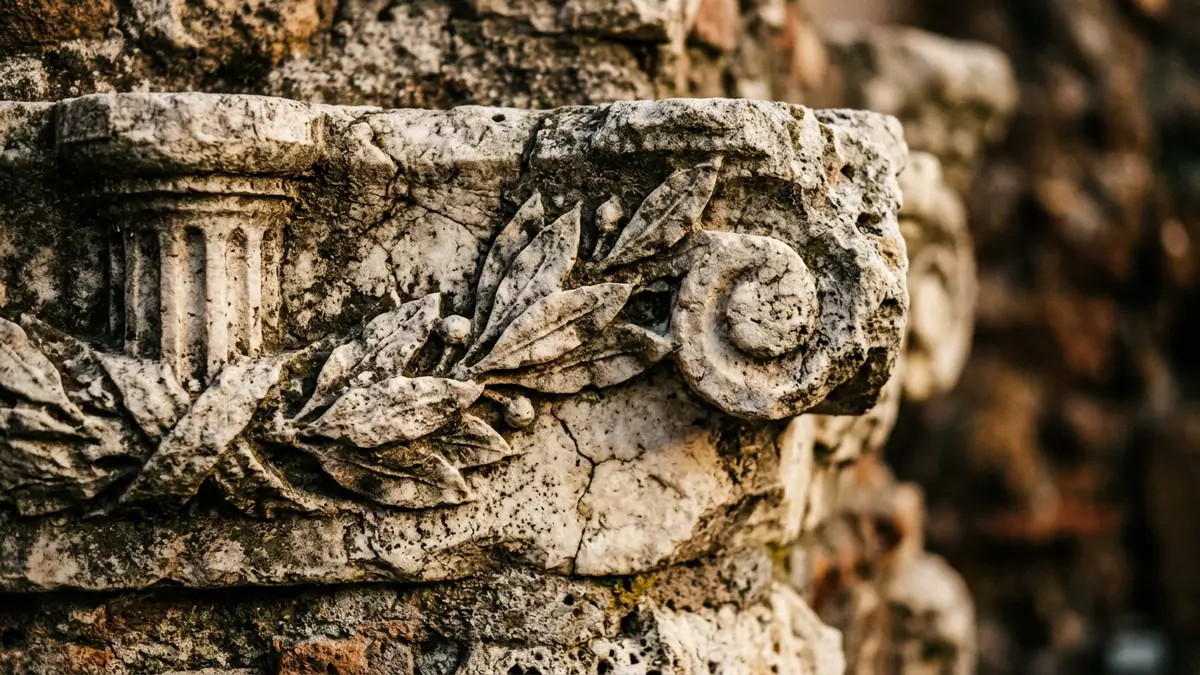
Foro Romano occupies the valley between Rome’s Palatine and Capitoline hills. Its surviving temples, basilicas, arches and paving form a layered archaeological landscape, where the public centre of ancient Rome can be read through stone, brick and broken columns.
Foro Romano in the valley between two hills
The site lies beside the Via dei Fori Imperiali, near the Colosseum, with the Palatine Hill rising to the south and the Capitoline Hill to the north-west. The archaeological area contains remains from the royal period, the Roman Republic, the Empire and the Middle Ages.
The valley began to take the form of a public forum in the late seventh century BC, after the marshy ground was reclaimed. The Forum’s early development belongs to the long transformation of Rome from hilltop settlements into an urban centre.
Temples, basilicas and the route of public life
For centuries, Foro Romano served political, legal, religious and commercial functions. The Via Sacra crossed the area, passing monuments associated with triumphs, state ceremonies and religious practice.
The surviving remains include the Temple of Saturn, the Temple of Castor and Pollux, the Temple of Vesta, the Curia Julia, the Rostra, the Basilica Julia and the Basilica of Maxentius. The Arch of Septimius Severus marks the western side, while the Arch of Titus stands towards the Colosseum. The Forum’s named monuments reveal how religious, judicial and commemorative buildings stood together within one civic landscape.
From imperial monuments to archaeological ruins
Julius Caesar and Augustus shaped major parts of the Forum during the transition from Republic to Empire. Imperial additions included the Temple of Vespasian and Titus, the Temple of Antoninus and Faustina, and the Arch of Septimius Severus, erected in 203 AD.
The Basilica of Maxentius belongs to the early fourth century AD. The Column of Phocas, raised in 608 AD, is the last monument recorded as built within the Forum. Churches later occupied or incorporated several ancient structures, including the Curia Julia and the Temple of Antoninus and Faustina.
Much of the area became buried and was known as Campo Vaccino, or Cattle Field. Systematic excavation began after the unification of Italy, uncovering the paving, foundations and architectural fragments that define the archaeological site. The archaeological site in Rome preserves this sequence of changing levels and uses.
Visiting Foro Romano: what travellers from Western Europe should know
- Foro Romano is in central Rom, between the Palatine and Capitoline hills. Metro Line B reaches the Colosseo stop, and buses 51, 75, 81, 85, 87 and 118 serve the surrounding area.
- The archaeological ground includes uneven paving, exposed foundations and changes in level. The route passes ancient roads, steps, fragments of columns and elevated viewpoints.
- The site connects with the Palatine Hill and lies near the Colosseum and the Arch of Constantine. Via dei Fori Imperiali runs beside the wider archaeological landscape.
- The official language is Italian and the currency is the euro.
Searching for Foro Romano on social platforms
These links open searches for Foro Romano on each platform.
Frequently asked questions about Foro Romano
Where is Foro Romano?
Foro Romano is in central Rom, between the Palatine and Capitoline hills. It stands beside Via dei Fori Imperiali, near the Colosseum and Piazza Venezia.
What can visitors see there?
The ruins include temples, basilicas, arches, the Curia Julia, the Rostra, ancient paving and fragments from several historical periods.
What makes Foro Romano distinctive?
Its buildings occupy a valley that served as Rome’s political, legal, religious and commercial centre. The visible remains combine republican, imperial, Christian and medieval layers.


