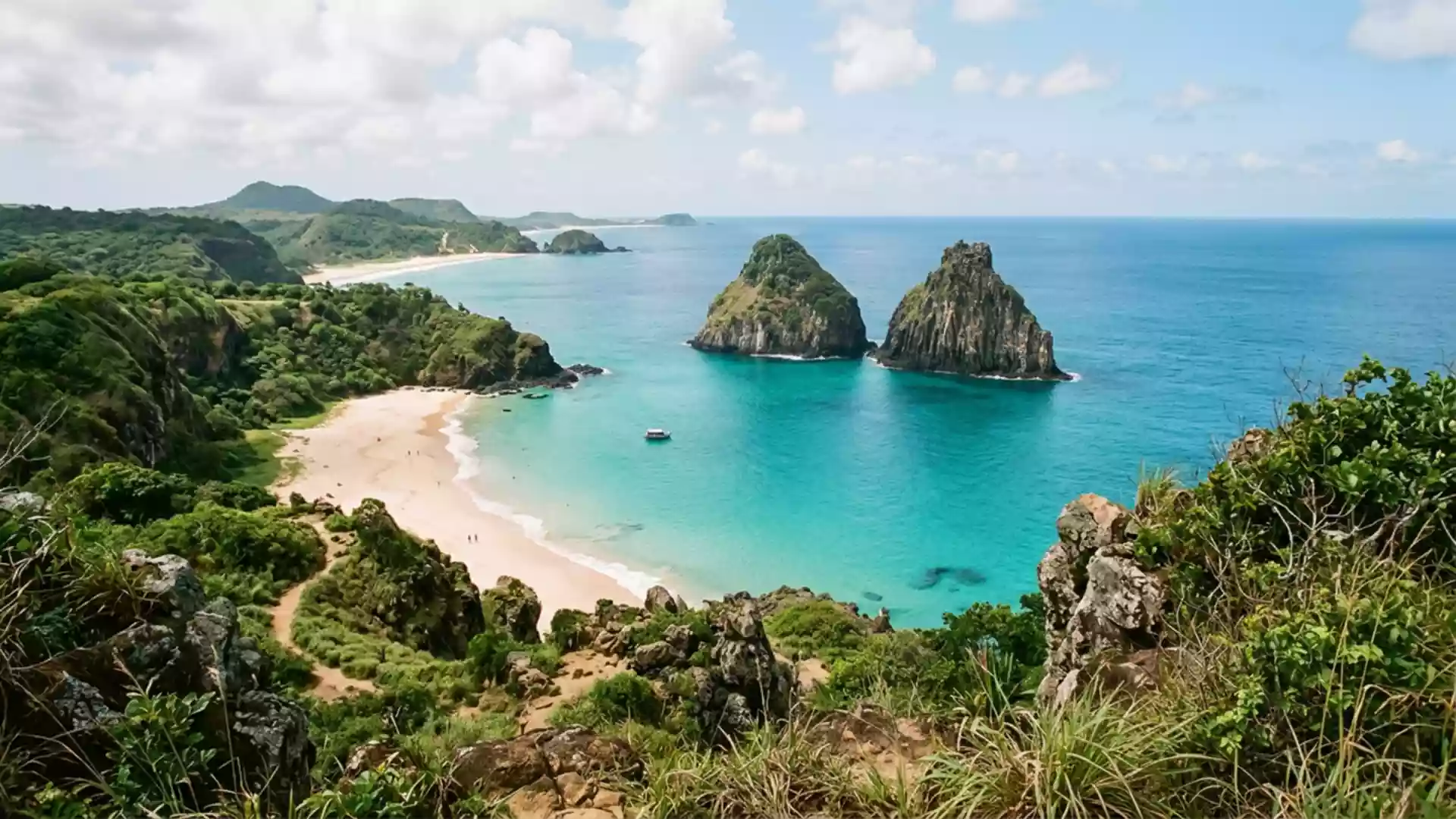
Fernando de Noronha reopens Atalaia pool on 2 November
Published on 11/14/2026 at 14:22 | Editorial responsibility: Rafael Müller, Editor-in-Chief AD HOC NEWSReopening and access for visitors
- ICMBio reopened Atalaia beach pool for bathing on 2 November 2026.
- Daily sea assessments decide whether visitors may enter the water at Praia da Atalaia.
- Fernando de Noronha and Atol das Rocas gained UNESCO World Heritage status in 2001.
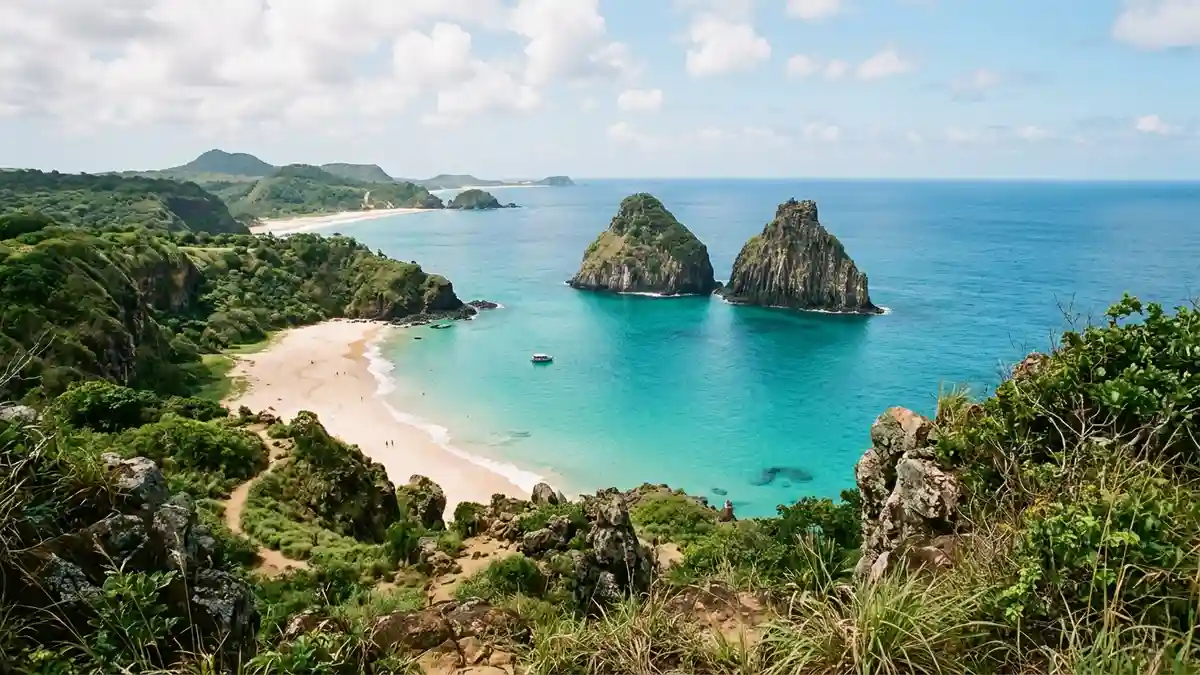
Fernando de Noronha reopened the Atalaia natural pool for bathing on 2 November 2026, bringing a controlled return to one of the island’s protected marine attractions. The pool lies within the Fernando de Noronha Marine National Park in Pernambuco, Brazil, and its reopening follows a closure caused by natural sand accumulation.
Atalaia natural pool reopens after sand accumulation
The pool at Praia da Atalaia had been closed for entry into the water since 3 August 2026. During that period, visitors and residents could observe the landscape but could not bathe in the natural pool. The reopening on 2 November was reported by G1’s reopening report.
The Instituto Chico Mendes de Conservação da Biodiversidade, known as ICMBio, remains responsible for the protected area. It says the reopening is gradual. A monitor assesses the sea conditions each day, and visitors are told at the attraction whether bathing is permitted on that day.
Why Atalaia needs controlled access
The attraction is a shallow natural aquarium rather than an unrestricted beach swimming area. Its bottom contains sand produced by marine organisms, algae known as turf and colonies of Siderastrea coral, also called star coral. Sand accumulation can make the pool even shallower and may leave these organisms more vulnerable.
This connection between the 2 November reopening and the daily assessment is important for travellers: the reopening restored the possibility of bathing, but it did not create a permanent guarantee of water access. The national park’s visitor information describes Atalaia as a heavily managed attraction with limited daily access.
The island forms part of the Fernando de Noronha and Atol das Rocas natural World Heritage property, recognised by UNESCO in 2001. The Brazilian Ministry of Tourism describes the combined property as a protected marine area with beaches, natural pools, rocky formations and habitats for turtles, dolphins and seabirds.
Visiting Fernando de Noronha: what travellers from Western Europe should know
- The Atalaia natural pool reopened for bathing on 2 November 2026 at Praia da Atalaia, within the Fernando de Noronha Marine National Park.
- Bathing is not automatic: ICMBio makes a daily assessment of sea conditions, and visitors are informed at the attraction whether entry into the water is allowed.
- Visitors must arrange the Atalaia visit through the national park’s booking system. A life jacket, mask and snorkel are compulsory for bathing, and sunscreen is prohibited during the activity.
- Fernando de Noronha belongs to Pernambuco and visitors mainly arrive by aeroplane from mainland Brazil. Portuguese is the official language and the Brazilian real is the national currency.
- Entry requirements depend on your nationality; UK travellers can check the FCDO travel advice at gov.uk/foreign-travel-advice, Irish travellers the Department of Foreign Affairs at ireland.ie.
Searching for Fernando de Noronha on social platforms
These links open searches for Fernando de Noronha on each platform.
Frequently asked questions about Fernando de Noronha
What has changed at Fernando de Noronha?
Bathing at the Atalaia natural pool resumed on 2 November 2026 after a closure caused by sand accumulation. ICMBio still decides daily whether entry into the water is allowed.
Where is Fernando de Noronha and how do you get there?
The archipelago belongs to Pernambuco, Brazil, and visitors mainly reach it by aeroplane from the mainland.
What is Fernando de Noronha?
It is a Brazilian archipelago that forms part of the Fernando de Noronha and Atol das Rocas natural World Heritage property, recognised by UNESCO in 2001.