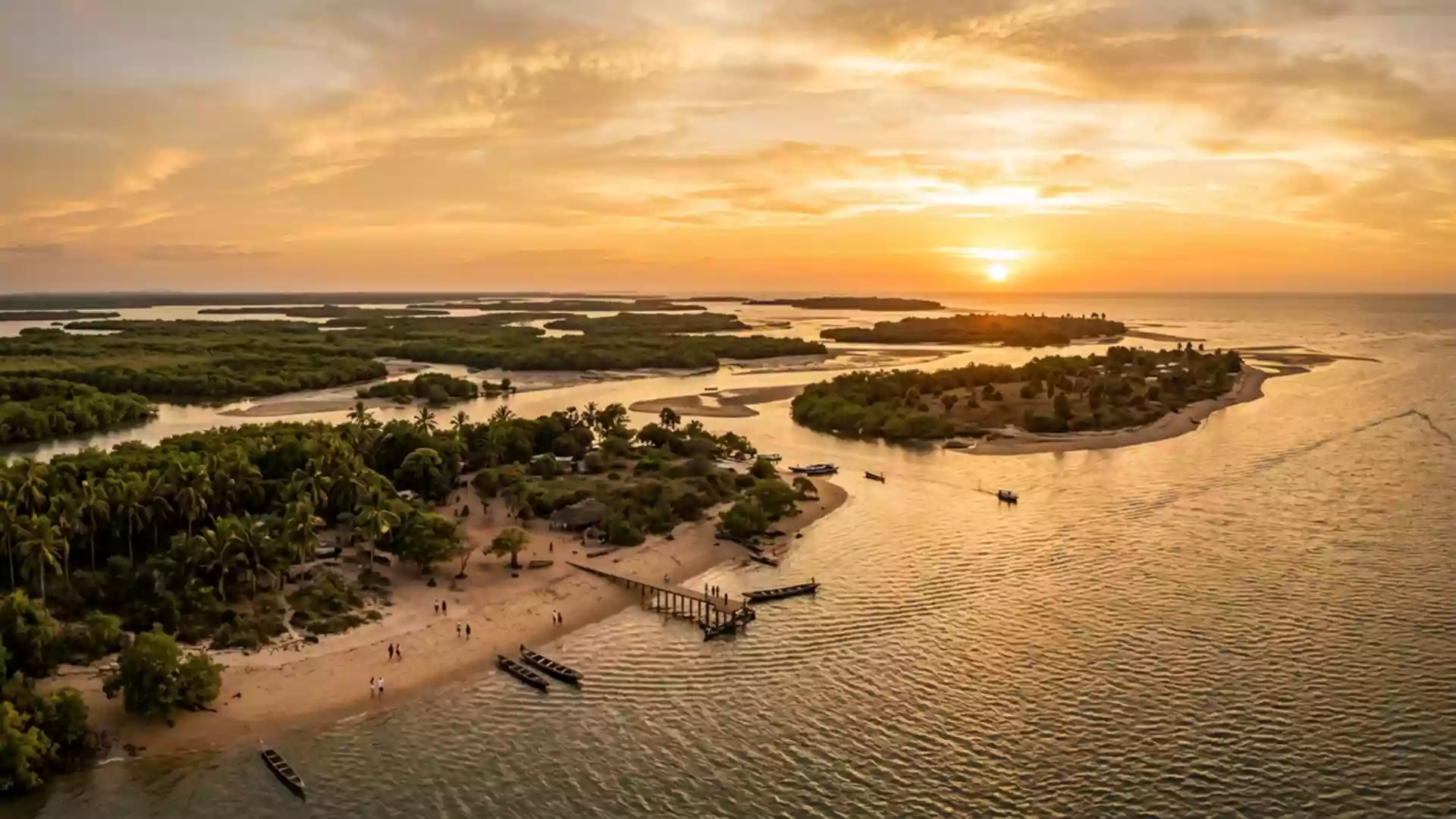
EU beach clean-up reaches Bijagós Archipelago on 3 November
Published on 10/31/2026 at 10:53 | Editorial responsibility: Rafael Müller, Editor-in-Chief AD HOC NEWSPoilão clean-up essentials
- On 3 November 2026, the European Commission lists a beach clean-up on Poilão Island.
- Green turtle habitat is central to the marine conservation work described for Poilão.
- A 2025 UNESCO inscription covers the archipelago’s natural heritage.
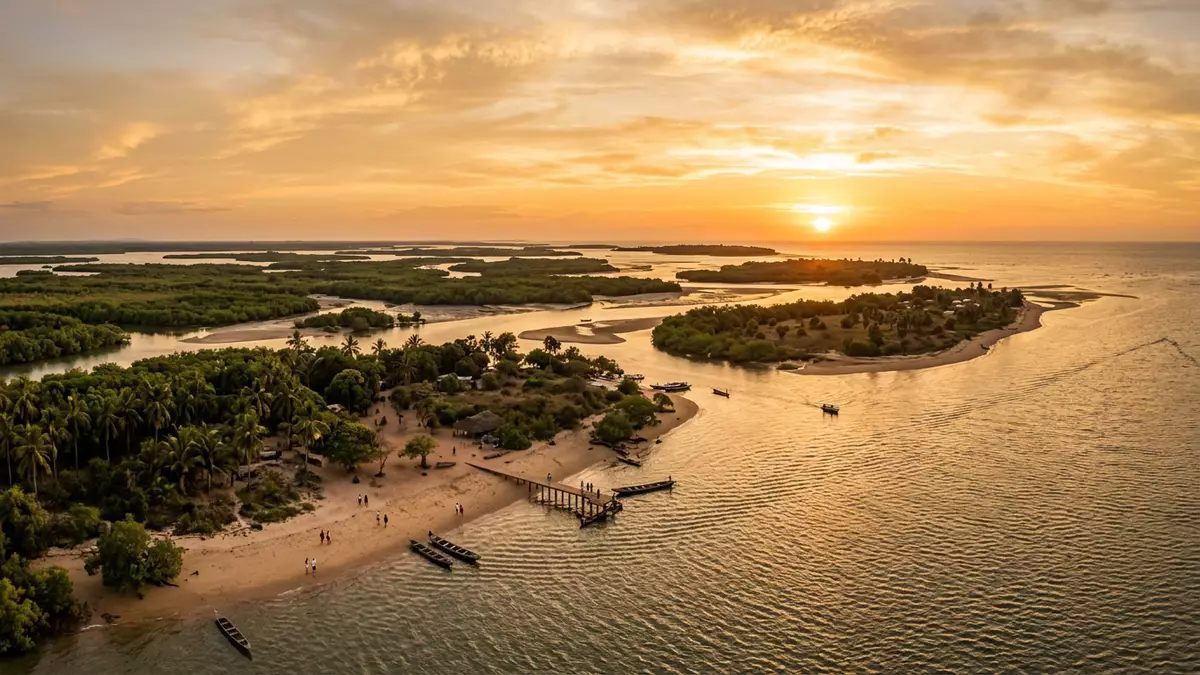
The EU beach clean-up reaches Poilão Island in the Bijagós Archipelago (Arquipélago dos Bijagós) on 3 November 2026. The site lies in Guinea-Bissau, while Bissau is the mainland capital linked to the island group. The activity forms part of the European Union’s #EUBeachCleanUp programme and is scheduled to continue from 3 to 4 November.
EU beach clean-up reaches Poilão Island on 3 November
The European Commission lists the operation as an information event focused on marine pollution. It brings together representatives of the European Union and its member states, local organisations and international partners for work on the beach.
The event page gives Tuesday 3 November 2026 at 2pm GMT as the listed start time. It names Poilão Island, Guinea-Bissau, as the venue and identifies English as the event language. The Commission describes the activity as an external event rather than a regular attraction or exhibition. Details of the Poilão clean-up programme place the date and venue together.
Poilão Island links conservation with UNESCO-listed archipelago
Poilão is described by the Commission as a globally important nesting site for green sea turtles. Its beaches provide habitat for endangered animals, so the planned work connects litter removal with protection of a sensitive coastal environment.
The wider island group contains 88 islands and islets, of which 22 are inhabited, according to a report by Portugal’s Lusa news agency. The same report says UNESCO classified the natural property as World Heritage in 2025. That status gives the November operation a clear local setting: a practical clean-up takes place on one island within a protected natural area. The background is documented in the report on the archipelago.
What the November operation means for marine conservation
The Commission says the initiative is intended to protect natural heritage and raise awareness of ocean and beach pollution. For visitors, the dated information points to a conservation activity on Poilão rather than a sightseeing programme with a published timetable.
The island’s turtle habitat also explains why beach condition matters beyond the event dates. The clean-up therefore links a short operation in November with a longer conservation concern affecting nesting beaches and the marine environment around Guinea-Bissau.
Visiting Bijagós Archipelago: what travellers from Western Europe should know
- The EU beach clean-up is listed for Poilão Island from 3 to 4 November 2026, with the published start on Tuesday 3 November at 2pm GMT.
- The event page names the venue as Poilão Island in Guinea-Bissau and lists English as the event language; it does not present the activity as a standard visitor attraction.
- Poilão is identified as a green turtle nesting site, so the relevant setting is a protected beach habitat rather than an urban venue.
- Entry requirements depend on your nationality; UK travellers can check the FCDO travel advice at gov.uk/foreign-travel-advice, Irish travellers the Department of Foreign Affairs at ireland.ie.
Searching for Bijagós Archipelago on social platforms
These links open searches for Bijagós Archipelago on each platform.
Frequently asked questions about Bijagós Archipelago
When does the EU beach clean-up take place at Bijagós Archipelago?
The clean-up is scheduled for 3 to 4 November 2026 on Poilão Island, with the published start at 2pm GMT on 3 November.
What is Poilão Island known for?
The European Commission identifies Poilão as a globally important nesting site for green sea turtles and a habitat for endangered animals.
Where is Bijagós Archipelago and how do you get there?
The island group is in Guinea-Bissau, off the West African coast. The confirmed event venue is Poilão Island; the event notice does not publish a visitor transport route.