
Elmina Castle and the heavy geometry of coastal stone
Published on 09/09/2026 at 14:40 | Editorial responsibility: Rafael Müller, Editor-in-Chief AD HOC NEWS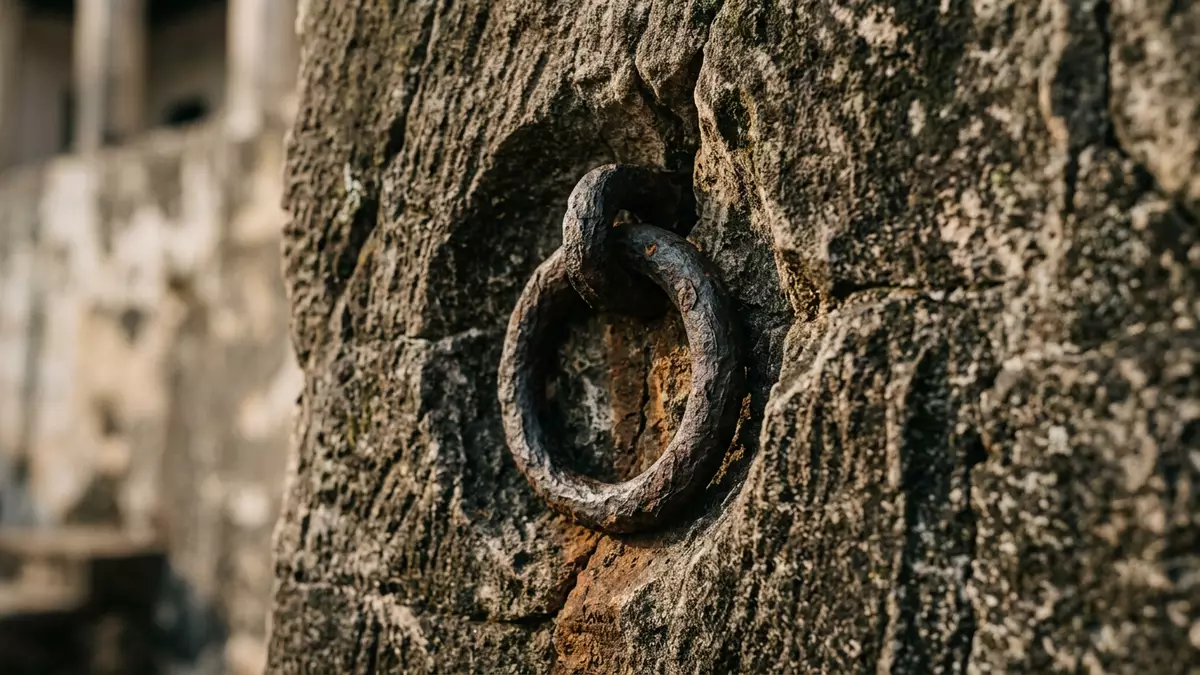
Elmina Castle stands on the coast at Elmina, in Ghana’s Central Region. Built by the Portuguese in 1482, it is a stone fortress with a long and layered history.
Portuguese stone on the Gulf of Guinea
The castle’s earliest form was known as Castelo de São Jorge da Mina, the name given to the Portuguese fort in 1482. It is tied to the rule of John II of Portugal and the age of Atlantic expansion.
The place is part of the UNESCO World Heritage property Forts and Castles of Ghana. That listing includes several coastal forts and castles, with Elmina as one of the central names in the group.
A fortress with a second life
Elmina Castle moved through Portuguese, Dutch and British hands before becoming a museum site. Its walls therefore belong to both military architecture and the Atlantic slave trade, with those histories visible in the same complex.
The castle’s interior includes chambers, ramparts and courtyards, and its massing remains that of a coastal stronghold. The building was also linked to the wider chain of European forts on the Ghanaian coast, a network documented in the UNESCO property and in modern reference works.
Stone, coastline and empire
The most striking feature is the contrast between the castle’s compact masonry and its open position above the sea. The structure feels severe rather than decorative, with thick walls, enclosed spaces and a fortified silhouette.
That geometry belongs to the late fifteenth century and to the Portuguese trading empire on the Gulf of Guinea. The building has become one of the best-known survivors of that coastal system, and it remains closely associated with the name Elmina.
Visiting Elmina Castle: what travellers from Western Europe should know
- The castle stands in Elmina, in Ghana’s Central Region, near the Atlantic coast. Cape Coast lies to the east, and the site sits within the historic coastal belt of forts and castles.
- The approach includes stone stairways, enclosed passages and ramparts. The setting is a fortified complex rather than an open ruin.
- The official language is English and the currency is the Ghanaian cedi.
- Entry requirements depend on your nationality; UK travellers can check the FCDO travel advice at gov.uk/foreign-travel-advice, Irish travellers the Department of Foreign Affairs at ireland.ie.
Searching for Elmina Castle on social platforms
These links open searches for Elmina Castle on each platform.
Frequently asked questions about Elmina Castle
Where is Elmina Castle?
It stands in Elmina on Ghana’s coast, in the Central Region. The castle is part of the old fortified shoreline between Cape Coast and the western coast of the country.
What does a visit involve?
The complex is a masonry fortress with ramparts, chambers and stairways. The space is historic, enclosed and strongly shaped by its coastal position.
What makes Elmina Castle distinctive?
Its Portuguese foundation in 1482, its later colonial history and its UNESCO listing give it unusual historical depth. The castle also remains one of the most recognisable stone fortresses on the Gulf of Guinea.


