
Elmina Castle and the Atlantic histories held in its walls
Published on 09/23/2026 at 10:30 | Editorial responsibility: Rafael Müller, Editor-in-Chief AD HOC NEWS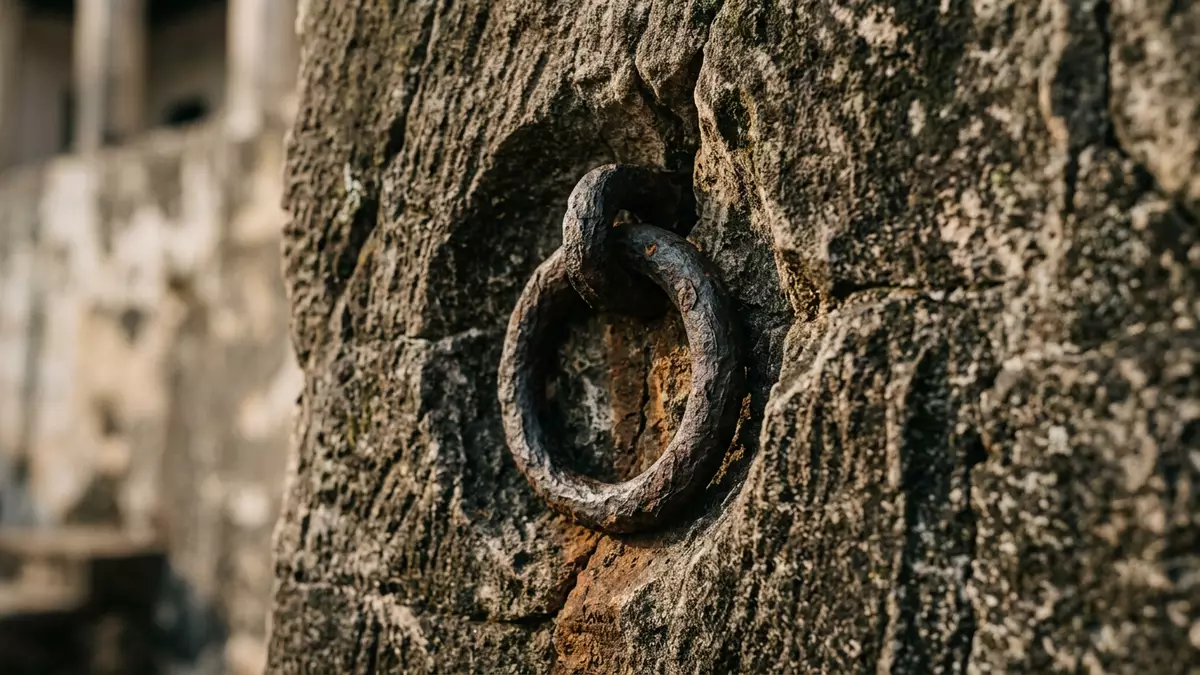
Elmina Castle stands beside the harbour at Elmina on Ghana’s Atlantic coast. Its white walls, heavy gateways and enclosed courtyards belong to a fortified complex built in 1482, while its history reaches from Portuguese commerce to the transatlantic slave trade.
Elmina Castle beside Elmina’s harbour
The castle was founded by Portuguese forces under Diogo de Azambuja in 1482. Its original name was Castelo de São Jorge da Mina, or St George of the Mine Castle, and the building became a permanent European trading post on the Gulf of Guinea.
Granite masonry, defensive walls, towers, storage rooms and a chapel form the visible fabric of the complex. The harbour lies beside the fortifications, placing the castle within the coastal town rather than apart from Elmina’s working landscape.
Portuguese foundations and Dutch expansion
Portugal held Elmina Castle until Dutch forces captured it in 1637. The change brought a new European administration and a different commercial period, while the fortified structure continued to shape trade on the coast.
The Dutch reconstructed and expanded parts of the castle. Gold, ivory and enslaved people passed through its commercial system, linking Elmina with Atlantic routes reaching Brazil and the Caribbean.
Dungeons, memory and a UNESCO World Heritage site
Elmina Castle became a major centre of the transatlantic slave trade. Storerooms were converted into dungeons, and the castle’s passageways preserve the physical setting of imprisonment, confinement and forced departure.
Britain received the castle in 1872. Elmina Castle forms part of Ghana’s UNESCO World Heritage site, inscribed in 1979 with other forts and castles along the coast. The building is also a museum, where military architecture and the history of slavery remain inseparable.
Visiting Elmina Castle: what travellers from Western Europe should know
- Elmina Castle is in Elmina, on Ghana’s southern coast. Road travel from Accra or Cape Coast reaches the town, and the castle stands beside the harbour.
- The complex contains courtyards, stairs, narrow passages, storage rooms, a chapel and underground dungeons. A visit involves uneven historic surfaces and enclosed interior spaces.
- The official language is English and the currency is the Ghanaian cedi.
- Entry requirements depend on your nationality; UK travellers can check the FCDO travel advice at gov.uk/foreign-travel-advice, Irish travellers the Department of Foreign Affairs at ireland.ie.
Searching for Elmina Castle on social platforms
These links open searches for Elmina Castle on each platform.
Frequently asked questions about Elmina Castle
Where is Elmina Castle?
Elmina Castle stands beside the harbour in Elmina, on Ghana’s southern Atlantic coast. The town lies in Ghana’s Central Region.
What can visitors expect inside?
The complex contains defensive walls, courtyards, stairs, a chapel, storage rooms and dungeons. These spaces present the castle’s military, commercial and carceral histories.
What makes Elmina Castle distinctive?
Its identity combines Portuguese construction in 1482, Dutch administration from 1637, British control from 1872 and its role in the transatlantic slave trade.


