
Duomo di Amalfi and its stairway above the Amalfi seafront
Published on 08/20/2026 at 20:05 | Editorial responsibility: Rafael Müller, Editor-in-Chief AD HOC NEWS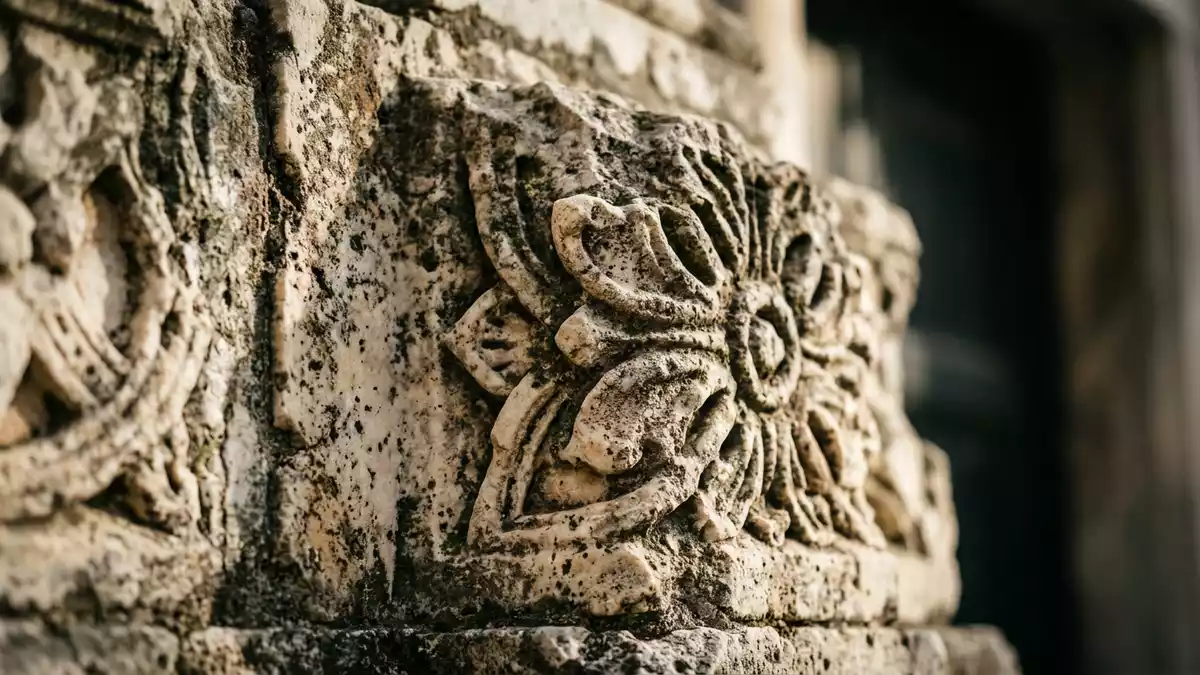
Duomo di Amalfi, the cathedral dedicated to Saint Andrew the Apostle, climbs above the town of Amalfi on a broad stairway that leads to a layered complex of churches, cloister and crypt dating back to the late first millennium.
A cathedral shaped over centuries above Piazza Duomo
The cathedral complex stands on Piazza Duomo in Amalfi, a coastal town in Campania in southern Italy, with the main church raised above the square on an expansive flight of steps.Piazza Duomo The site originally held two basilicas from the ninth and tenth centuries, which were brought together during the early thirteenth century into a single larger church forming the core of the present Duomo.two basilicas from the ninth and tenth centuries The cathedral itself is dated to 987, when a new building dedicated to Saint Andrew was erected beside the older basilica and later remodelled repeatedly as styles and liturgical needs changed.dated to 987
The Duomo takes its Italian name “Cattedrale di Sant’Andrea Apostolo”, reflecting its dedication to the apostle whose relics lie in the crypt, transferred to Amalfi from Constantinople in the early thirteenth century.relics lie in the crypt Over centuries the building has been reworked so that Arab?Norman Romanesque forms coexist with Gothic, Renaissance, Baroque and neomoresque details in the same ensemble.Romanesque, Baroque, rococò, neomoresco Behind the main cathedral, the older Basilica del Crocifisso now houses the diocesan museum, preserving fragments of the early medieval church and artworks that trace the history of Christianity on this stretch of the Mediterranean coast.Basilica del Crocifisso
Arab?Norman Romanesque, Baroque revivals and a bronze door from Byzantium
The fabric of Duomo di Amalfi reflects the passage from the medieval Maritime Republic to later Baroque and nineteenth?century tastes, with a predominant Arab?Norman Romanesque structure overlaid by newer elements.Arab?Norman Romanesque structure The campanile beside the façade was constructed between the late twelfth century and 1276, its upper sections marked by interlaced arches decorated with majolica that visually link it to the later cloister.campanile between 1180 and 1276 Inside, the nave and side spaces show Romanesque proportions modified through Baroque interventions, including altars and stucco work that reshape the medieval interior into a more theatrical space.Romanesque to Baroque to Rococò
One of the most striking fixed elements is the bronze portal from Byzantium, dating from before 1061 and donated by the patron Pantaleo de Maurus Comite, which introduces the main entrance in metal rather than stone.bronze door from the eleventh century Nineteenth?century works by architect Errico Alvino reshaped the façade in a neo?moresque style, so that the street elevation presents a composition of pointed gables, arcades and patterned surfaces echoing medieval models through a revival lens.Errico Alvino and neomoresco facade The overall profile visible from Amalfi’s seafront is therefore a layered silhouette: the façade and bell tower rising above surrounding houses, backed by the roofs of the basilica and linked internally to the crypt and cloister that complete the ensemble.cliffside cathedral above the seafront
Crypt of Saint Andrew and the Chiostro del Paradiso
Beneath the cathedral floor lies the crypt dedicated to Saint Andrew, completed in 1208 to receive the relics brought from Constantinople during the Fourth Crusade, which were then solemnly installed for veneration.crypt completed in 1208 The crypt’s architecture uses vaulted masonry and decorative work consistent with the early thirteenth century, creating a distinct space below the nave that connects the cathedral to wider medieval Mediterranean history.medieval Mediterranean history
To one side of the complex stands the Chiostro del Paradiso, or Cloister of Paradise, constructed in the mid?thirteenth century by Archbishop Filippo Augustariccio as a burial ground for Amalfi’s nobility, with burials ceasing in the sixteenth century.Chiostro del Paradiso constructed in the mid?thirteenth century The cloister is organised on four sides around a central garden, its interior defined by rows of slender twinned columns carrying interlaced arches, which form a distinctive rhythmic screen between the covered walkways and the planted space.twinned columns and interlaced arches Fresco fragments, including a Crucifixion associated with the painter Roberto d’Odorisio, add another layer of historical depth to the cloister walls and connect the burial function with devotional imagery.Crucifixion fresco
Visiting Duomo di Amalfi: what travellers from Western Europe should know
- Duomo di Amalfi rises above Piazza Duomo in Amalfi, on the Amalfi Coast of southern Italy, with the cathedral reached by a broad exterior stairway from the square.
- The approach up to the cathedral involves a sustained climb on stone steps, and the complex includes further staircases between the main church, the cloister and the crypt.
- Amalfi lies on the coast of Campania, with regional bus services and coastal roads linking the town to nearby centres such as Salerno and Sorrento.
- The official language is Italian and the currency is the euro.
Searching for Duomo di Amalfi on social platforms
These links open searches for Duomo di Amalfi on each platform.
Frequently asked questions about Duomo di Amalfi
Where is Duomo di Amalfi located?
Duomo di Amalfi stands above Piazza Duomo in the town of Amalfi in Campania, southern Italy, overlooking the seafront and surrounding streets.
What should visitors expect inside Duomo di Amalfi?
Visitors encounter a medieval cathedral reshaped by Baroque work, a crypt holding Saint Andrew’s relics and access to the Cloister of Paradise and the older basilica space.
What makes Duomo di Amalfi distinctive among Italian cathedrals?
The combination of Arab?Norman Romanesque construction, neomoresque façade, Byzantine bronze doors, thirteenth?century cloister and the stairway above the coastal town gives the cathedral a singular profile.


