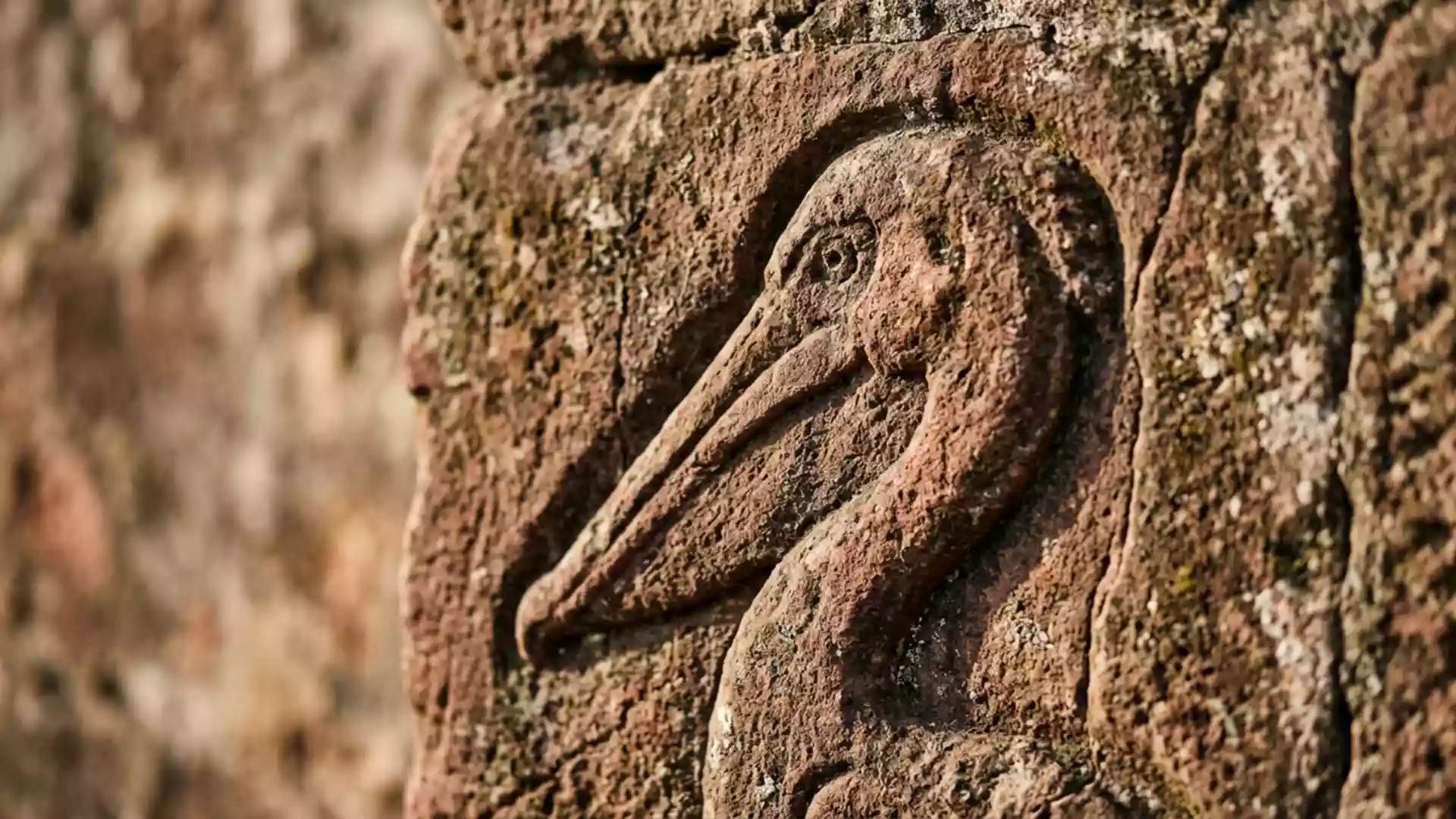
Djoudj National Bird Sanctuary and the great pause after the Sahara
Published on 08/30/2026 at 10:41 | Editorial responsibility: Rafael Müller, Editor-in-Chief AD HOC NEWS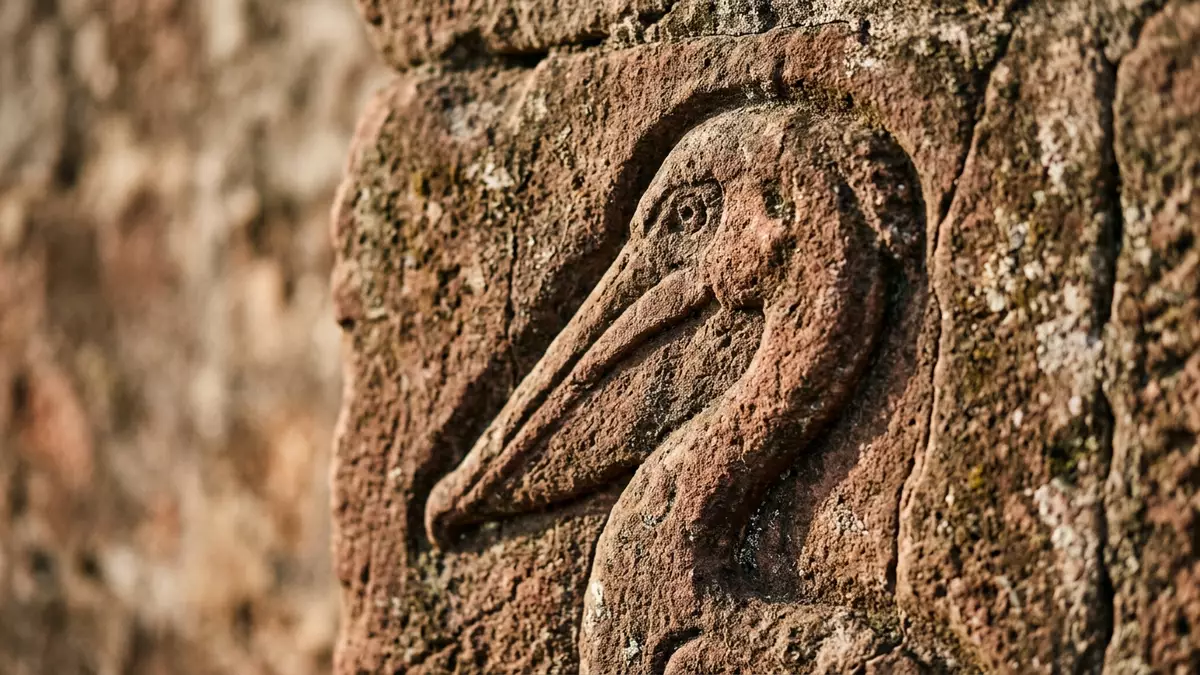
Djoudj National Bird Sanctuary spreads across a wide, shallow basin in the Senegal River delta, north-east of Saint-Louis in northern Senegal. Recognised by UNESCO since 1981, it protects an intricate wetland where water, mudflats and reeds give exhausted migratory birds their first generous pause after the Sahara.
A 16,000-hectare wetland at the end of the desert
The core of Djoudj National Bird Sanctuary is a protected wetland of 16,000 hectares, shaped around a broad lake with an intricate network of streams, ponds and backwaters.a protected wetland of 16,000 hectares This basin lies in the Senegal River delta near the border with Mauritania, in the low country that marks the river’s meeting with the Atlantic.the Senegal River delta near the border with Mauritania
The sanctuary forms part of an international wetland system, mirrored across the river by Diawling National Park in Mauritania, and has also been designated as a Ramsar Wetland of International Importance since 1977.designated as a Ramsar Wetland of International Importance since 1977 Low horizons, seasonal waterlines and wide skies define the landscape, with patches of dry land emerging between flooded zones and reedbeds.
Millions of migratory birds above the water
Djoudj National Bird Sanctuary is known for dense gatherings of waterbirds that concentrate on the open water and surrounding marshes after crossing the Sahara. Counts on the site describe around 1.5 million birds using the sanctuary, with more than 350 recorded species, including large numbers of white pelicans, pink flamingos, African spoonbills, great egrets and cormorants.around 1.5 million birds using the sanctuarymore than 350 recorded species
For many Palearctic migrants, the Djoudj wetlands represent the first major freshwater expanse after the desert, with ducks such as garganey and pintail, shorebirds like ruff, and white-faced whistling ducks resting and feeding in large numbers.garganey and pintail, shorebirds like ruff The site is particularly significant for the aquatic warbler, a small European songbird whose wintering habitat in Djoudj has been identified as crucial for the species.crucial for the species
World Heritage status and living wetland mosaic
Djoudj National Bird Sanctuary was inscribed on the UNESCO World Heritage List in 1981 for both its wildlife and the spectacle created by converging migration routes above the Senegal River delta.inscribed on the UNESCO World Heritage List in 1981 Its World Heritage listing recognises the site for aesthetic values and biodiversity, reflecting the contrast between semi-arid Sahel terrain and seasonally flooded marsh.
The wetland itself forms a mosaic of open water, mudflats, emergent vegetation and dry islands, and also supports other wildlife such as crocodiles and West African manatees alongside warthogs and monkeys.crocodiles and West African manatees Environmental management focuses on maintaining water regimes suitable for birds and wetland plants, with sluices and channels guiding river water through the sanctuary’s shallow basins.
Visiting Djoudj National Bird Sanctuary: what travellers from Western Europe should know
- Djoudj National Bird Sanctuary lies north-east of Saint-Louis in northern Senegal, on the south-eastern bank of the Senegal River near the border with Mauritania.
- The sanctuary is reached overland from Saint-Louis, with access roads leading into the wetland landscape and tracks continuing towards viewing areas and embarkation points.
- Terrain within the protected area alternates between firm ground and soft, muddy sections, and many viewing points are approached across low banks or along simple earthen tracks.
- Boat excursions on the main lake and channels provide close views of pelican and flamingo gatherings, while raised embankments give vantage points over open water and reedbeds.
- The official language is French and the currency is the West African CFA franc; entry requirements depend on your nationality, UK travellers can check the FCDO travel advice at gov.uk/foreign-travel-advice, Irish travellers the Department of Foreign Affairs at ireland.ie.
Searching for Djoudj National Bird Sanctuary on social platforms
These links open searches for Djoudj National Bird Sanctuary on each platform.
Frequently asked questions about Djoudj National Bird Sanctuary
Where is Djoudj National Bird Sanctuary located?
Djoudj National Bird Sanctuary lies in northern Senegal, north-east of Saint-Louis, on the south-eastern bank of the Senegal River close to the Mauritanian border.
What can visitors expect to see in Djoudj National Bird Sanctuary?
Visitors encounter extensive wetlands with open water, mudflats and reedbeds supporting large concentrations of migratory waterbirds, including pelicans, flamingos, ducks and waders, along with other wetland wildlife.
What makes Djoudj National Bird Sanctuary distinctive among African wetlands?
The sanctuary combines UNESCO World Heritage status, Ramsar recognition and its role as the first major freshwater refuge for vast numbers of migratory birds after the Sahara.