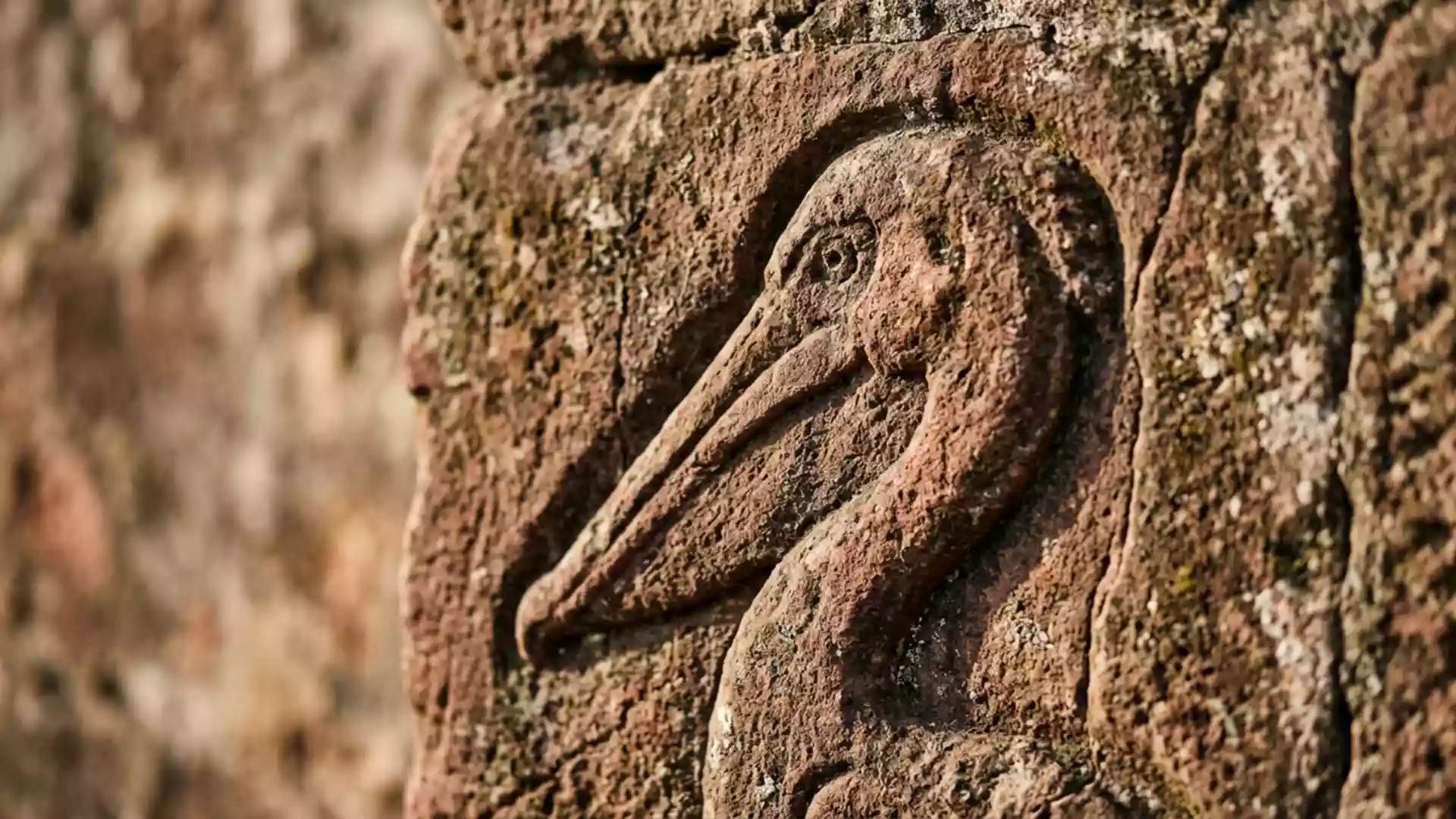
Djoudj National Bird Sanctuary and the great bird gatherings of the Senegal River
Published on 08/25/2026 at 21:13 | Editorial responsibility: Rafael Müller, Editor-in-Chief AD HOC NEWS
Djoudj National Bird Sanctuary in northern Senegal is a vast wetland in the Senegal River delta where migratory and resident birds concentrate in remarkable numbers each year. Set north of Saint-Louis near the border with Mauritania, the sanctuary has been protected since the early 1970s and was inscribed as a UNESCO World Heritage site in 1981, reflecting its global importance for waterbirds and the wider delta ecosystem.
A river delta turned sanctuary for waterbirds
The sanctuary occupies part of the Senegal River delta, a low-lying landscape where river channels, lakes and backwaters spread out towards the Atlantic. It lies on the southeast bank of the river, in the northern Biffeche region north-east of Saint-Louis, where freshwater and seasonal flooding create extensive wetlands.lies on the southeast bank The protected area covers around 16,000 ha, a figure that recurs across technical descriptions of the park and its conservation status.wetland of 16,000 ha
Within this expanse, visitors encounter a mosaic of open water and wetlands rather than a single lake. The heart of the sanctuary is a broad lake fringed by streams, ponds and shallow side channels. These connect with marshes and seasonally flooded plains that appear as the river overflows its banks in the rainy season, then recede as levels fall. The mix of permanent and seasonal water, together with exposed mudflats and vegetated shallows, provides feeding, resting and breeding areas for very large numbers of waterbirds moving between the Sahel, the Sahara and Eurasia.a large lake surrounded by streams
Migratory gatherings: pelicans, spoonbills and flamingos
Djoudj National Bird Sanctuary is best known for the sheer abundance of birds that use it as an over-wintering and staging site. Conservation assessments describe more than 1.5 million birds using the wetland, with several hundred species recorded, including over 120 types of Palaearctic migrants that travel south from Europe and western Asia.more than 1.5 million birds Djoudj lies just south of the Sahara’s western edge, so many migrants arrive here after crossing the desert and rely on its waters and food resources to recover.
Among the species most associated with Djoudj are white pelicans, African spoonbills, great egrets, cormorants and purple herons, all of which form conspicuous colonies and feeding flocks in the lake and surrounding shallows.African spoonbill and white pelican Pink flamingos are also recorded in the sanctuary and often feature in photographic coverage of the site, particularly where shallow, saline pools develop on the margins of the delta.pink flamingo and great egret In addition to these more visible birds, the wetland holds important numbers of ducks, waders and marshland passerines; some specialised species use the reedbeds and sedge marshes as a primary wintering area within West Africa.
Protection, Ramsar status and wider wildlife
Formal protection for Djoudj National Bird Sanctuary dates back to 1971, when it was established by presidential decree as a national park, with an extension in 1975 that expanded the safeguarded floodplains of the Senegal River delta.created in 1971 and extended in 1975 It was recognised as a wetland of international importance under the Ramsar Convention in 1977, which brought it into a global network of key waterbird habitats.designated a Ramsar site in 1977 UNESCO World Heritage inscription followed in 1981 under natural criteria that emphasise both the aesthetic values of large bird concentrations and the ecological importance of the site.
The sanctuary’s protected status covers not only birds but a wider assemblage of wetland wildlife. Assessments mention crocodiles and West African manatees in the waterways, together with fish and invertebrates that sustain the bird populations.contains large populations of crocodiles and manatees The park has experienced ecological challenges, including invasive aquatic vegetation that altered water circulation and habitat structure, leading at times to its inclusion on the List of World Heritage in Danger. International and national programmes have responded with measures to clear blocked channels, manage vegetation and strengthen ecological monitoring, helping maintain the delicate balance of water levels and habitats that underpins Djoudj’s role in the flyway.
Visiting Djoudj National Bird Sanctuary: what travellers from Western Europe should know
- Djoudj National Bird Sanctuary lies in the Senegal River delta north of Saint-Louis, near the border with Mauritania, and is reached by road from Saint-Louis via Ross-Bethio and the surrounding rural communities.about 60 km north-northeast of Saint-Louis
- Within the sanctuary, access to bird observation points usually involves travelling along earth tracks and causeways and boarding modest boats that navigate shallow channels; embarking and disembarking can require balancing on simple jetties or river edges.
- The terrain combines open sun-exposed areas with sections where paths cross low dykes or pass beside pools; in the rainy season, parts of the delta become flooded and movement concentrates on raised routes.
- The official language is French and the currency is the West African CFA franc.
- Entry requirements depend on your nationality; UK travellers can check the FCDO travel advice at gov.uk/foreign-travel-advice, Irish travellers the Department of Foreign Affairs at ireland.ie.
Searching for Djoudj National Bird Sanctuary on social platforms
These links open searches for Djoudj National Bird Sanctuary on each platform.
Frequently asked questions about Djoudj National Bird Sanctuary
Where is Djoudj National Bird Sanctuary in relation to Saint-Louis?
Djoudj National Bird Sanctuary lies in the Senegal River delta north of Saint-Louis, about 60 km north-northeast of the city near the border with Mauritania.in the delta about 60 km north-northeast
What should visitors expect during a visit to the sanctuary?
Visitors can expect a landscape of lakes, channels and marshes where large flocks of pelicans, flamingos and other waterbirds feed and roost, with observation points reached by track and boat.
What makes Djoudj National Bird Sanctuary distinctive among African wetlands?
The sanctuary’s combination of a protected river delta, Ramsar and UNESCO World Heritage status and its function as an over-wintering site for more than a million migratory waterbirds gives it an exceptional role in the East Atlantic flyway.over-wintering site for vast numbers