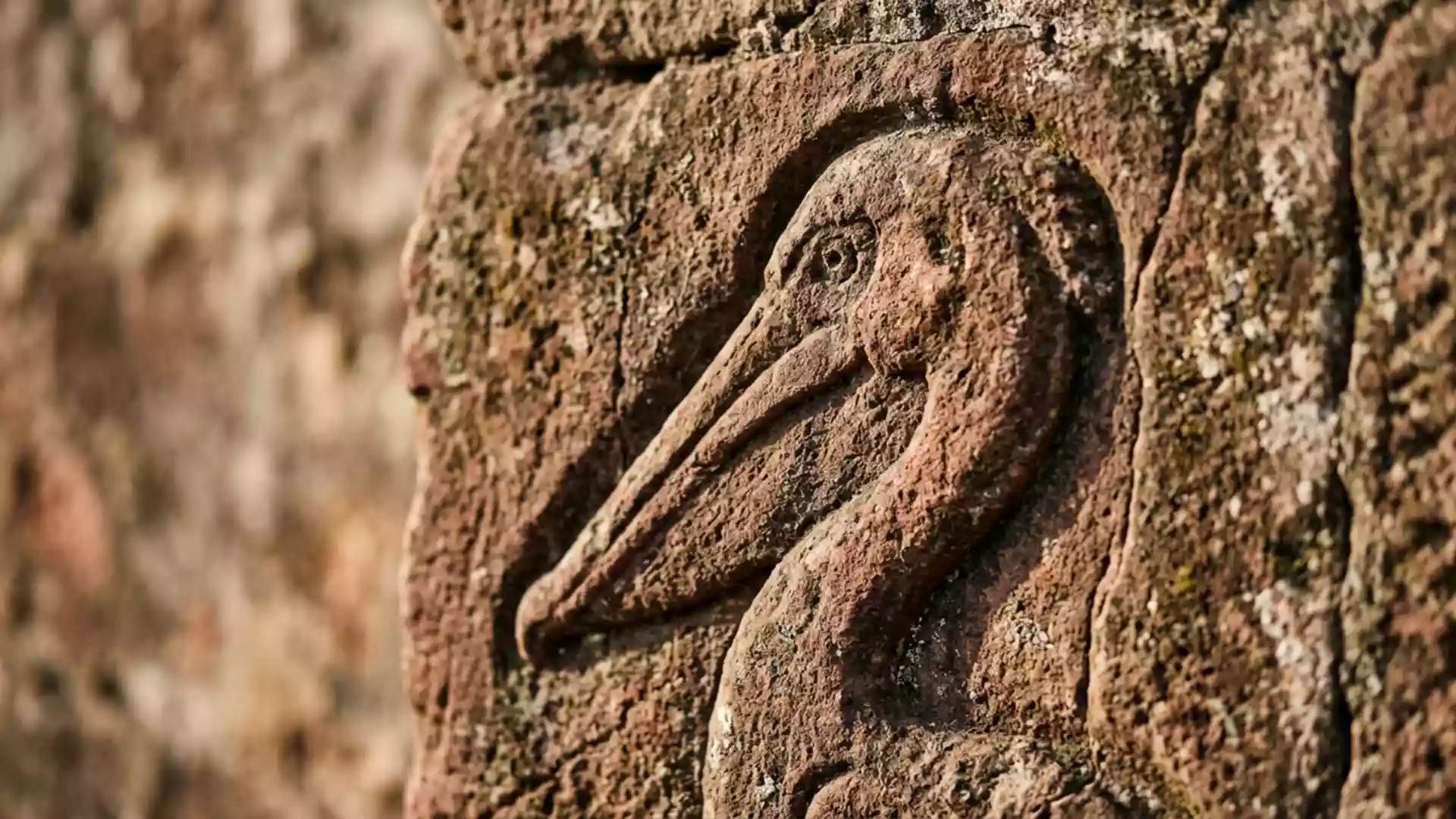
Djoudj National Bird Sanctuary, a vast wetland on the Senegal River
Published on 08/28/2026 at 08:34 | Editorial responsibility: Rafael Müller, Editor-in-Chief AD HOC NEWS
Djoudj National Bird Sanctuary in northern Senegal is a broad, shimmering wetland where the Senegal River fans into lakes, ponds and reedbeds before slipping towards the Atlantic. Set in the river delta north-east of Saint-Louis, it covers a clearly defined tract of protected marsh that has become a crucial resting and breeding area for migratory waterbirds along the East Atlantic flyway.
Water, light and distance in the Senegal River delta
Djoudj National Bird Sanctuary lies in the lower Senegal River delta, close to the border with Mauritania and north-east of the historic city of Saint-Louis, on the south-east bank of the river itself.The sanctuary lies on the southeast bank The protected area extends across about 16,000 hectares of wetlands, a size that gives a sense of how dominant water and flat horizons are in this landscape.The sanctuary is a 16,000 ha wetland
The setting is low-lying and open, with a large central lake surrounded by a network of streams, backwaters and shallow basins that fill and recede with the river. Vast patches of emergent vegetation create sheltered channels and mirror-like pools, while exposed mudflats appear where the water draws back. From viewpoints along levees or tracks, the view runs over water, reeds and sky with very little vertical interruption, and the only strong lines in the distance are the riverbank and the far horizon towards Mauritania.
A UNESCO-listed refuge for migratory birds
Djoudj National Bird Sanctuary was inscribed on the UNESCO World Heritage List in 1981 under natural criteria, reflecting both its ecological richness and its role in large-scale bird migration.The site was inscribed on the World Heritage List in 1981 It is also designated as a Wetland of International Importance under the Ramsar Convention, a status that underlines its position within global wetland conservation.The sanctuary is recognised as a Ramsar wetland
Within this protected framework, Djoudj supports an immense seasonal concentration of waterbirds. The wetlands provide habitat for species such as white pelican, purple heron, African spoonbill, great egret and cormorant, alongside many other ducks, waders and smaller marsh birds.The wetland holds large numbers of waterbirds Flocks shift across open water and vegetated shallows, with resting birds massed on sandbars or densely grouped on low islands. In some sections of the park, narrow channels cut through reeds and flooded scrub, giving close views of herons and egrets standing along the margins or moving between feeding spots.
Exploring Djoudj from Saint-Louis
For travellers based in Western Europe, Djoudj National Bird Sanctuary is usually approached via the Senegalese city of Saint-Louis, which stands on an island and mainland strips at the mouth of the Senegal River. From there, tracks and minor roads lead north-east through flat Sahel country towards the protected delta, passing cultivated plots, small settlements and dry grassland before the route reaches the wetland fringe.The sanctuary lies north of Saint-Louis in the river delta
Within the sanctuary, access runs along raised embankments and simple tracks that keep vehicles and walkers above the waterline. Boat excursions are an established way to experience the central lake and adjacent channels, bringing the wide perspectives of the open water together with close views of birds on sandbanks and low branches.Visitors commonly explore parts of the wetland by boat Simple shelters, observation points and stopping places break the journey at intervals, and there are clear distinctions between drier ground with sparse shrubs and the permanently flooded heart of the sanctuary.
Visiting Djoudj National Bird Sanctuary: what travellers from Western Europe should know
- Djoudj National Bird Sanctuary lies in northern Senegal in the lower Senegal River delta, north-east of Saint-Louis and near the border with Mauritania, and is reached overland from Saint-Louis.
- Tracks within the sanctuary run over flat but sometimes uneven ground on raised banks above wetlands, and access to boats or viewpoints generally involves stepping down from vehicles onto unpaved surfaces.
- The region has a marked dry and wet season pattern, and parts of the sanctuary are seasonally flooded, with large areas of standing water and soft ground around the central lake and channels.
- The official language in Senegal is French and the currency is the West African CFA franc.
- Entry requirements depend on your nationality; UK travellers can check the FCDO travel advice at gov.uk/foreign-travel-advice, Irish travellers the Department of Foreign Affairs at ireland.ie.
Searching for Djoudj National Bird Sanctuary on social platforms
These links open searches for Djoudj National Bird Sanctuary on each platform.
Frequently asked questions about Djoudj National Bird Sanctuary
Where is Djoudj National Bird Sanctuary?
Djoudj National Bird Sanctuary is in northern Senegal, in the lower Senegal River delta north-east of Saint-Louis and close to the border with Mauritania.
What can visitors expect to see at Djoudj?
Visitors encounter a broad wetland of lakes, ponds, channels and reedbeds, with large seasonal concentrations of pelicans, herons, spoonbills, egrets, cormorants and many other waterbirds.
Why is Djoudj National Bird Sanctuary significant?
Djoudj is recognised as a UNESCO World Heritage Site and a Ramsar wetland because its extensive protected marshes form a crucial refuge for migratory waterbirds in the Senegal River delta.