
Dai Noi Hue, the walled imperial heart of Hue
Published on 08/14/2026 at 14:04 | Editorial responsibility: Rafael Müller, Editor-in-Chief AD HOC NEWS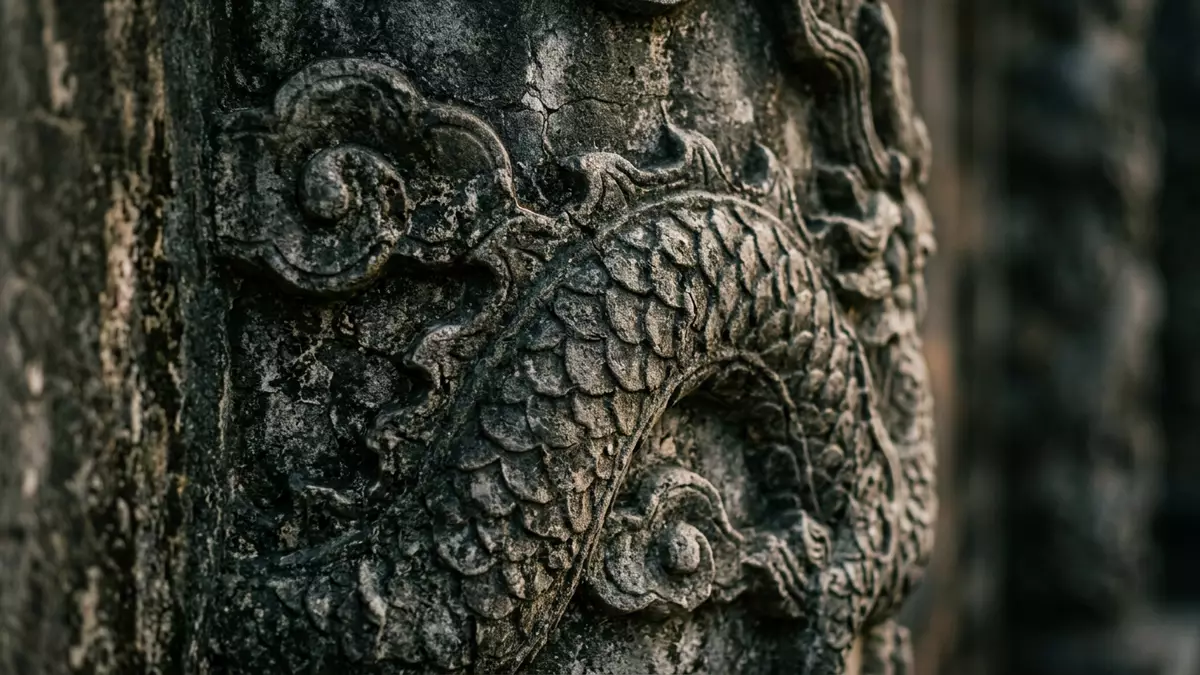
Dai Noi Hue, the Imperial City of Hue, is a vast walled citadel on the north bank of the Perfume River where the Nguyen dynasty ruled Vietnam in the nineteenth and early twentieth centuries. Its moats, ramparts and palace compounds still form a self-contained inner city that anchors Hue’s historic landscape.
A royal enclosure within a fortress city
Dai Noi Hue is the royal enclosure at the core of Hue’s imperial citadel, known in Vietnamese as the Kinh Thanh, or walled city. The enclosure occupies the central zone of a fortified urban grid laid out when Hue became the seat of the Nguyen emperors in the early nineteenth century, and it was the political centre of the dynasty until the early twentieth century.Imperial City of Hu? Within the larger citadel, Dai Noi is entered through a ceremonial gate on the southern side that faces the Perfume River and the city beyond, marking the transition from the public outer city into the imperial precinct.
The wider citadel is defined by earth ramparts and masonry walls laid out in a near-square plan, encircled by a defensive water-filled moat that follows the perimeter. Inside this ring, straight streets and canals divide the city into blocks, with the imperial enclosure occupying the innermost position behind another set of walls and gates.Chinese-style Vietnamese imperial citadel This layered structure of outer citadel and inner palace mirrors East Asian concepts of a ritual centre hidden within military defences, and visitors moving through today encounter successive thresholds from the riverside esplanade to the core palaces.
Courts, palaces and the Forbidden Purple City
Inside Dai Noi Hue, the imperial enclosure is organised as a sequence of courtyards, halls and gardens aligned on a north–south axis. The main ceremonial court lies just beyond the principal gate, backed by audience halls where emperors presided over ritual and state ceremonies. Further within, a more secluded zone known as the Forbidden Purple City served as the residential area for the emperor and the royal family, separated from the formal courts by additional walls and gateways.Hue Imperial City and Forbidden Purple City
The architecture across these compounds combines Vietnamese and Chinese imperial forms. Timber halls stand on stone platforms, with sweeping roofs carried on dense ranks of wooden columns and decorated with glazed ceramic ridge ornaments and painted motifs. Within the enclosure, visitors encounter palaces, temples and shrines dedicated to state rituals and ancestral veneration, as well as ornamental ponds and planted courts that soften the geometry of the stone and brick structures.Hue Imperial City (Dai Noi) Even where buildings have been reconstructed after periods of damage, the layout still reflects the ceremonial hierarchy that once governed movement through the royal city.
From imperial capital to World Heritage monument
Dai Noi Hue formed part of a broader imperial capital landscape that included mausoleums, pagodas and ritual sites along the Perfume River, together inscribed by UNESCO in the late twentieth century as the Complex of Hue Monuments. The citadel and enclosed palaces were the administrative, religious and ceremonial heart of Vietnam under the Nguyen dynasty, which ruled from the early nineteenth century until the mid twentieth century.World Cultural Heritage site Construction of the imperial city began in 1804 under Emperor Gia Long, the dynasty’s founder, and later rulers added and adapted buildings within the enclosure.Construction began in 1804 under Emperor Gia Long
During the nineteenth century, the Nguyen court in Hue managed the affairs of Vietnam from this walled capital, with Dai Noi functioning as the seat of imperial power. The citadel’s enclosed area extended for several kilometres, containing administrative offices, storehouses and military installations in addition to the palaces and temples of the inner city.Dai Noi citadel description In the twentieth century, periods of conflict brought damage to parts of the complex, and subsequent conservation programmes have focused on stabilising ramparts, restoring key halls and preserving decorative craft traditions, so that Dai Noi stands today as both a historic seat of power and a major heritage landscape within Hue.
Visiting Dai Noi Hue: what travellers from Western Europe should know
- Dai Noi Hue lies in Hue in central Vietnam, on the north bank of the Perfume River opposite the modern commercial districts. The main ceremonial gate of the imperial enclosure faces towards the river and the flag tower.
- The approach from the riverside into the citadel involves crossing broad open spaces and passing through monumental gates, followed by long axial paths and large stone-paved courtyards that require extended walking on level but exposed ground.
- The Perfume River, Dong Ba Market and other central Hue neighbourhoods sit close to the citadel walls, and visitors move directly from ordinary streets into the fortified precinct, with the imperial enclosure set within the larger walled city.
- The official language is Vietnamese and the currency is the Vietnamese dong.
- Entry requirements depend on your nationality; UK travellers can check the FCDO travel advice at gov.uk/foreign-travel-advice, Irish travellers the Department of Foreign Affairs at ireland.ie.
Searching for Dai Noi Hue on social platforms
These links open searches for Dai Noi Hue on each platform.
Frequently asked questions about Dai Noi Hue
Where is Dai Noi Hue located within Hue?
Dai Noi Hue sits within the imperial citadel on the north bank of the Perfume River, opposite Hue’s modern city centre.
What can visitors expect inside the Imperial City?
Visitors walk through moats, gates and axial courtyards into palace halls, temples, shrines and gardens, including the more secluded Forbidden Purple City.
What makes Dai Noi Hue distinctive among imperial sites?
The combination of a large fortified citadel, an inner royal enclosure and its role as the Nguyen dynasty capital, now recognised as World Heritage, gives Dai Noi Hue particular character.


