Copan Ruinas between cobbled streets and Maya stone
Published on 09/03/2026 at 12:51 | Editorial responsibility: Rafael Müller, Editor-in-Chief AD HOC NEWS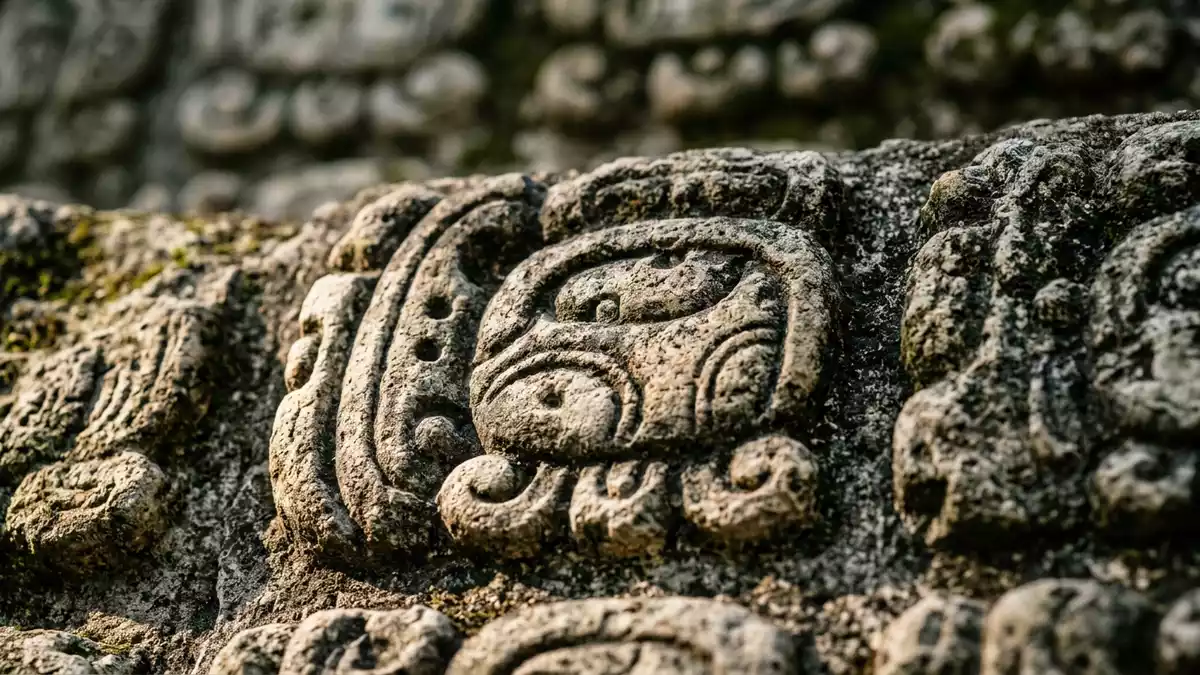
Copan Ruinas in western Honduras is both a small highland town and the gateway to the celebrated Maya city of Copán, where stone temples and carved monuments rise above a green river valley. The modern settlement and the archaeological park sit close together in the Copán Department, near the border with Guatemala, and share a landscape shaped by hills and the Copán River.
A Maya capital in a green Honduran valley
The archaeological site of Copán lies within the municipality of Copan Ruinas in western Honduras, in the Copán Department close to Guatemala. The ruins occupy a fertile valley framed by foothills at around 700 m (2,300 ft) above sea level, with the Copán River flowing nearby.Copán is in western Honduras The core of the ancient city stands a short distance from the present-day town, separated from its cobbled streets by fields and approach roads through the valley.The Copán Ruinas archaeological site is located about 1 km
Copán flourished in the Classic period of Maya civilisation between the fifth and ninth centuries AD, when it served as the capital of a kingdom that controlled parts of the surrounding highlands.Copan Ruins complex was mostly built between 400 and 800 AD Within the archaeological park, visitors encounter temples, terraces, stairways and plazas built in stone, together with sculpted altars and standing monuments that record rulers, rituals and political events. The site is recognised on the UNESCO World Heritage List as the Maya Site of Copan, with the core zone of Copán Archaeological Park covering a defined protected area in the valley.Maya Site of Copan
Stelae, hieroglyphic stairways and quiet plazas
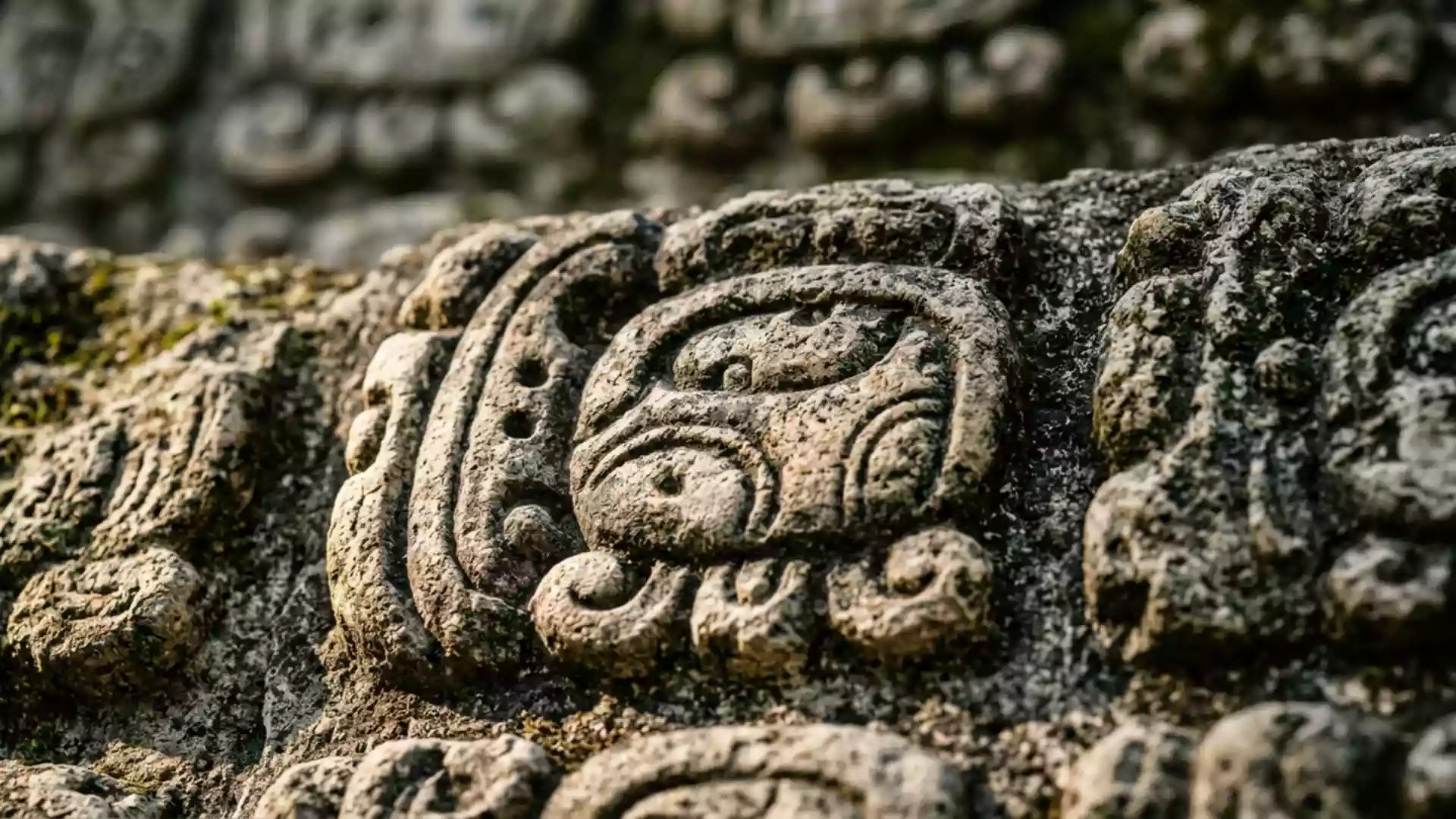
One of the most striking features of Copán is its concentration of carved stone monuments, known as stelae, raised in plazas and courts across the site. These monuments carry intricate depictions of rulers and long hieroglyphic texts, making Copán a key source for understanding Classic period Maya history.Copán is an archaeological site of the Maya civilization Many of the stelae stand on sculpted altars, set within grassy spaces that open between pyramidal temple structures.
The main archaeological area covers several square kilometres and includes both the principal group of temples and a secondary residential and burial zone known as Las Sepulturas.Las Sepulturas Within the principal group lies the celebrated Hieroglyphic Stairway, whose risers are carved with one of the longest known Maya texts, along with ball courts, palaces and platforms that create a layered landscape of stone. The combination of dense sculptural detail and compact scale means that much of Copán’s artistry can be examined at close quarters along paths and terraces within the park.
The town of Copan Ruinas and its setting
Beyond the park entrance, Copan Ruinas is a municipality and town in the Copán Department of Honduras, lying in the country’s western highlands close to the border with Guatemala.Copán Ruinas is a municipality in the Honduran department of Copán The settlement grew on the slopes and in the valley near the ancient city, and its streets follow a compact grid that climbs gently away from a central square. Low buildings with tiled roofs and balconies line narrow cobbled roads, giving the town a small-scale profile against the surrounding hills.cobblestone streets and adobe buildings
Copan Ruinas functions as a hub for exploring the archaeological park and the wider Copán River valley, while retaining a rural character. Small shops and cafés cluster around the main square, and accommodation is spread through streets that remain closely tied to the surrounding countryside. The town forms part of a larger municipality that includes villages and farmland in the hills, linking daily life in Copan Ruinas to the agricultural landscapes visible from the approaches to the ruins.
Visiting Copan Ruinas: what travellers from Western Europe should know
- Copan Ruinas lies in western Honduras in the Copán Department, close to the border with Guatemala, and is reached overland from larger Honduran cities and neighbouring countries.
- The archaeological site of Copán stands just outside the town, along approach roads that run through the Copán River valley from the central square towards the park entrance.
- The terrain in both town and park includes cobbled streets, paths across grassed plazas and stepped temple structures, with some routes involving uneven stone surfaces.
- The archaeological park sits in the highlands at around 700 m (2,300 ft), and paths within the site rise and fall between plazas, stairways and terraces.
- The official language is Spanish and the currency is the Honduran lempira. Entry requirements depend on your nationality; UK travellers can check the FCDO travel advice at gov.uk/foreign-travel-advice, Irish travellers the Department of Foreign Affairs at ireland.ie.
Searching for Copan Ruinas on social platforms
These links open searches for Copan Ruinas on each platform.
Frequently asked questions about Copan Ruinas
Where is Copan Ruinas?
Copan Ruinas is a town and municipality in the Copán Department of western Honduras, in the country’s highlands close to the border with Guatemala.
What can visitors expect at Copán?
Visitors encounter a compact Maya archaeological park with temples, plazas, carved stelae and altars set in a green valley, alongside the quieter residential area of Las Sepulturas.
What makes Copan Ruinas distinctive?
The combination of a small highland town with cobbled streets and the nearby UNESCO-listed Maya capital of Copán gives Copan Ruinas an unusual blend of everyday life and monumental stone heritage.