
Chobe National Park and the river frontier of Kasane
Published on 09/14/2026 at 08:15 | Editorial responsibility: Rafael Müller, Editor-in-Chief AD HOC NEWS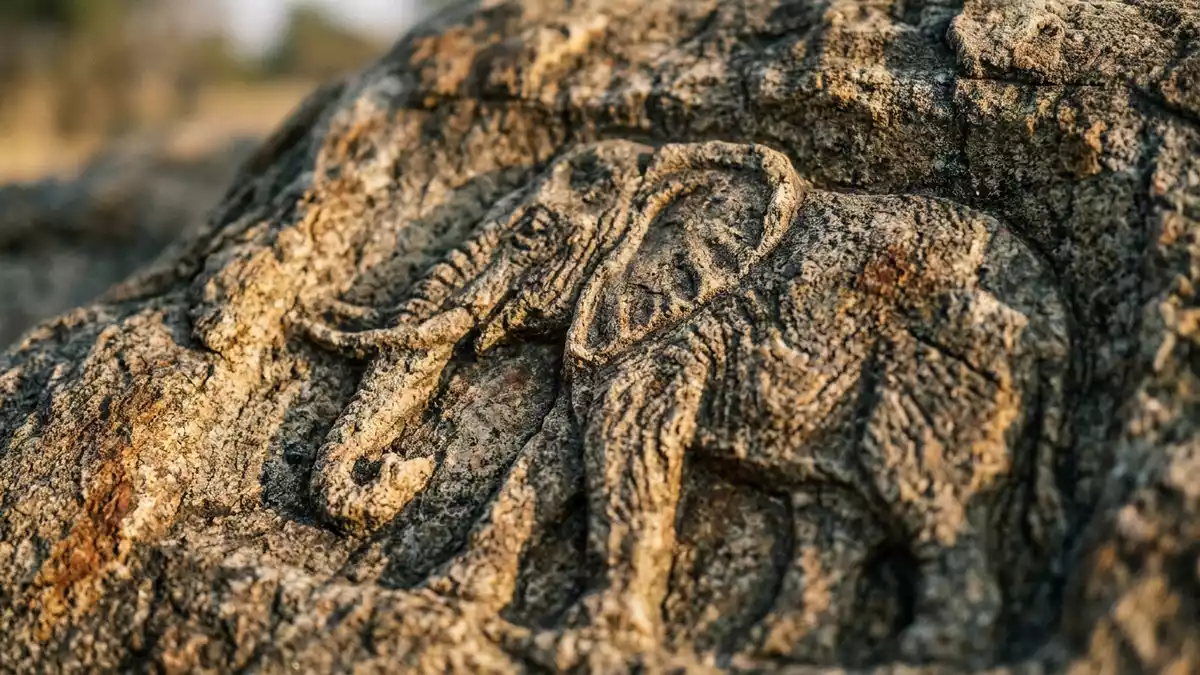
In Botswana’s far northeast, Chobe National Park meets the broad curve of the Chobe River beside the small frontier town of Kasane. Here an expanse of protected savannah, floodplain and woodland reaches the riverbank, creating a landscape where water, wildlife and international borders share the same horizon.
A riverbound park in northern Botswana
Chobe National Park lies in northern Botswana, close to the point where Botswana, Namibia, Zambia and Zimbabwe meet. The park forms part of a wider conservation mosaic and sits within the Kavango–Zambezi Transfrontier Conservation Area, a cross-border protected region recognised for its wildlife-rich river systems and wetlands.Kavango–Zambezi Transfrontier Conservation Area The Chobe River defines the park’s northern edge for many kilometres, flowing past Kasane before turning towards the Zambezi and the Victoria Falls.
The park was established in the late 1960s as Botswana’s first national park, building on earlier protected status that dated back to a game reserve proclaimed in 1960.declared a national park in 1967 It covers an area of several thousand square kilometres, making it one of Botswana’s larger conservation areas.covers approximately 11,700 sq km Within that space, the Chobe Riverfront forms only one portion; inland lie pans, marshes and dry channels that belong to the wider Chobe–Linyanti system.
Elephants, riverfront and open savannah
Chobe National Park is widely recognised for its large population of African elephants, many of them Kalahari elephants distinguished by their considerable size.Kalahari elephants, the largest in size During the dry season, when surface water dwindles away from the uplands, elephants travel towards the Chobe River in large numbers, sharing the floodplain with buffalo, zebra and antelope species that also depend on the river’s permanent water. Along the riverbank, crocodiles bask on exposed mud and sand, while pods of hippos occupy deeper channels.
The park is structurally divided into several recognised areas: the Chobe Riverfront along the northern boundary, the Ngwezumba Pans, Savute and Linyanti.four distinct geographical areas The riverfront is characterised by open views across the water, patches of woodland and floodplain that green noticeably when river levels rise. Inland, Savute is associated with a broad channel and grassland, while Linyanti and the pans present a mix of mopane woodland, marshy fringes and shallow depressions that hold water after rain.
Kasane: gateway town on the Chobe River
The town of Kasane stands just downstream from the park’s northern entrance, on the southern bank of the Chobe River. It serves as the principal service centre for the region and is closely tied to the park’s riverfront, with the Sedudu Gate providing road access to the northern section of Chobe National Park.Sedudu Gate to the south of Kasane From the town’s modest riverside frontage, boat channels lead towards the park boundary, and low islands and sandbanks in midstream often lie within sight of both wildlife and distant shorelines.
Kasane’s position near the Kazungula crossing places it close to several international border posts, with links towards Namibia’s Zambezi Region, Zambia and Zimbabwe.Kasane on the northern edge of Chobe National Park The town has an airport, and its road connections make it a natural stepping stone between Chobe National Park and the Victoria Falls area. On the river itself, the waterway winds past Kasane as a visible ribbon of blue, marking the transition from town to protected landscape.a swathe of bright, blue ribbon
Visiting Chobe National Park: what travellers from Western Europe should know
- Chobe National Park is reached via Kasane in northern Botswana, with Kasane Airport providing an air gateway and road access leading towards the Sedudu Gate on the riverfront.
- The riverfront terrain near Kasane combines dirt tracks, open floodplain and patches of woodland; some routes involve sandy surfaces and low undulations rather than paved roads.
- The park lies in a subtropical region where rainfall is concentrated in a defined wet season, followed by a drier period in which vegetation thins and surface water away from the river becomes scarce.
- The official language of Botswana is English and the currency is the pula.
- Entry requirements depend on your nationality; UK travellers can check the FCDO travel advice at gov.uk/foreign-travel-advice, Irish travellers the Department of Foreign Affairs at ireland.ie.
Searching for Chobe National Park on social platforms
These links open searches for Chobe National Park on each platform.
Frequently asked questions about Chobe National Park
Where is Chobe National Park in relation to Kasane?
Chobe National Park lies immediately south of the Chobe River near Kasane, with the Sedudu Gate providing access from the town to the riverfront section of the park.
What should visitors expect on a first visit to Chobe National Park?
Visitors encounter a large savannah and river landscape, with tracks leading along the Chobe Riverfront and inland towards woodland, pans and open grassland where wildlife is frequently visible.
What makes Chobe National Park distinctive among African parks?
Chobe National Park is notable for its substantial elephant population, its position along an international river frontier and its inclusion within the Kavango–Zambezi Transfrontier Conservation Area.


