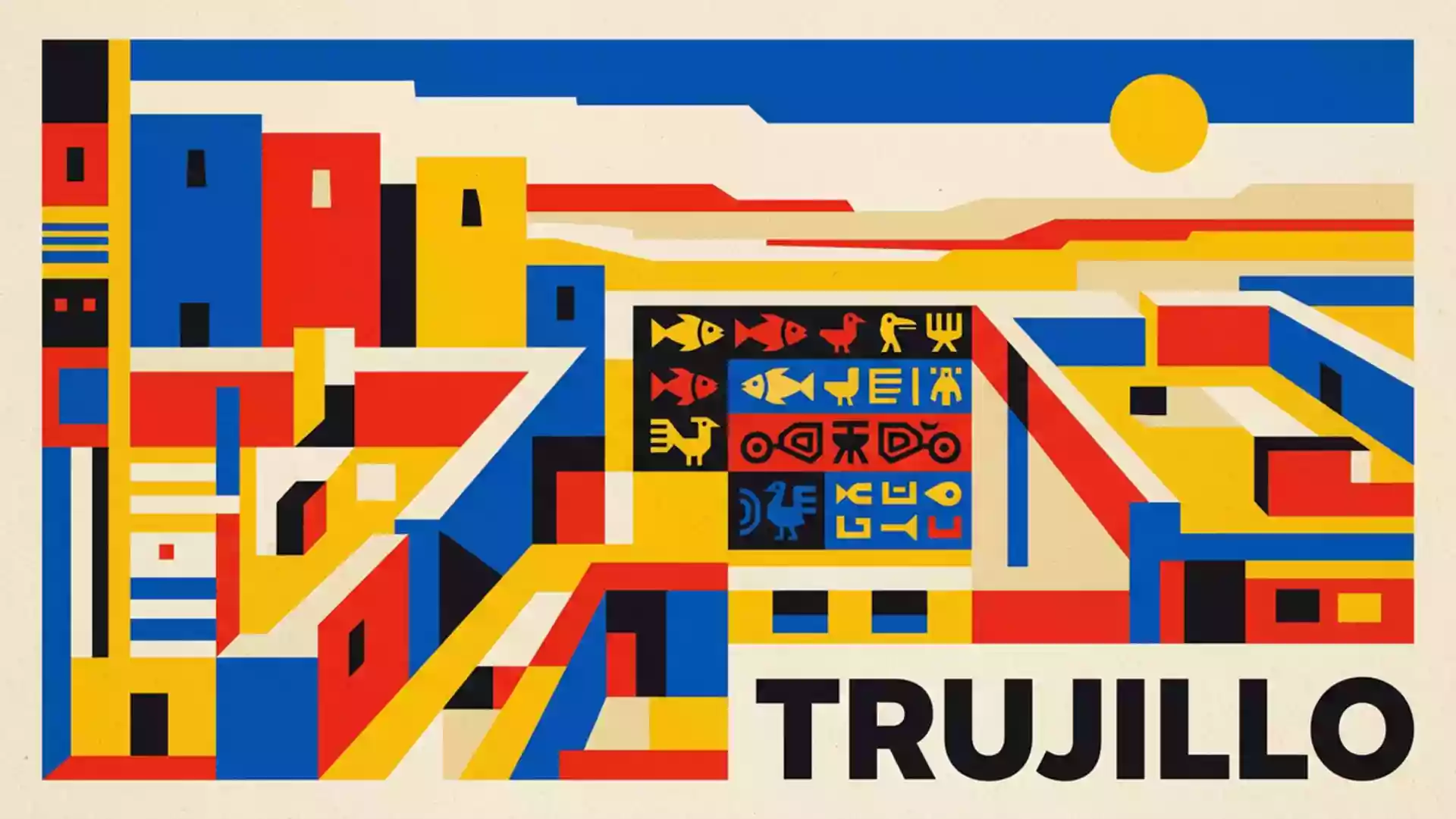
Chan Chan hosts art exhibition until 15 November
Published on 10/31/2026 at 10:09 | Editorial responsibility: Rafael Müller, Editor-in-Chief AD HOC NEWSArt programme and heritage setting
- The Ministry of Culture presents the exhibition in Trujillo until 15 November 2026.
- América Viva artists reinterpret Chan Chan as part of its 40th anniversary programme.
- UNESCO inscribed the archaeological zone on the World Heritage List in 1986.
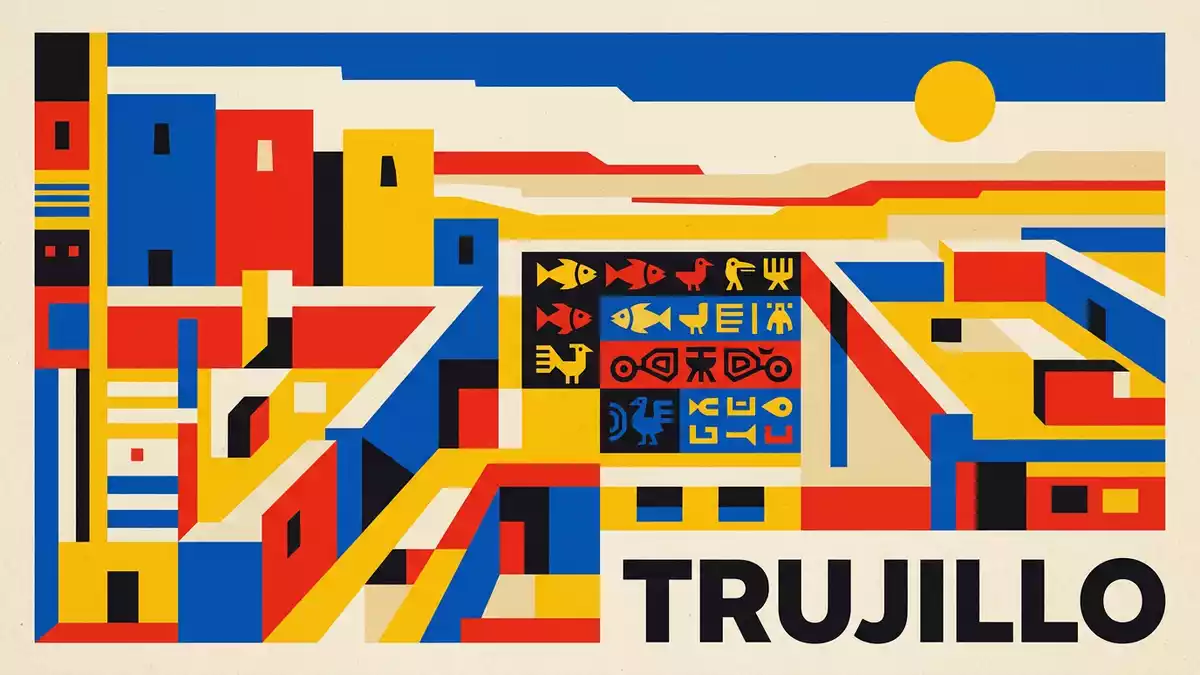
Chan Chan and the exhibition Chan Chan: Land of the Sun are linked in Trujillo through a public programme running until 15 November 2026. The Ministry of Culture announced the show on 20 October as part of activities marking 40 years since the archaeological zone entered the UNESCO World Heritage List.
Chan Chan exhibition runs until 15 November
The exhibition presents paintings inspired by the history, symbols and cultural legacy of the ancient capital of the Chimú kingdom. It is organised by the Ministry of Culture through the Decentralised Directorate of Culture of La Libertad, in collaboration with the América Viva collective.
The show is open to the public on weekdays at the José Sabogal exhibition room, Jirón Independencia 572, in Trujillo. The ministry says the works connect archaeological heritage with contemporary artistic practice and form part of the commemorative programme for the anniversary on 28 November 2026. Details of the public programme appear on the Ministry of Culture announcement.
Why the exhibition matters for the ancient city
The art programme gives the anniversary a city-centre venue while the archaeological zone remains between Trujillo and the Pacific coast. Its subject is the former capital of the Chimú kingdom, whose peak came in the fifteenth century before the city fell under Inca control.
UNESCO describes a planned earthen city with nine large rectangular citadels or palaces. The monumental zone covers around six square kilometres within a former city of about 20 square kilometres, while the wider property retains representative buildings, ceremonial roads, temples and agricultural areas.
The archaeological zone was inscribed on the World Heritage List in 1986 and remains on the List of World Heritage in Danger because its earthen architecture is vulnerable to extreme climate events associated with El Niño. That conservation context gives the exhibition a direct link to the place: its paintings present the legacy that current preservation work seeks to protect. UNESCO records the site’s continuing conservation plan and recent work on visitor access in its Chan Chan heritage profile.
Visiting Chan Chan: what travellers from Western Europe should know
- The exhibition runs until 15 November 2026 at the José Sabogal exhibition room, Jirón Independencia 572, Trujillo.
- The exhibition is a city-centre cultural programme, not a replacement for visiting the archaeological zone; it presents paintings inspired by Chan Chan.
- The archaeological zone lies between Trujillo and the Pacific coast in the Moche valley, while the exhibition venue is in central Trujillo.
- The monumental zone contains high earthen walls, nine citadels and extensive open archaeological areas, so visits to the site involve outdoor terrain and exposed heritage structures.
- Spanish is the official language, and Peru uses the sol as its currency.
- Entry requirements depend on your nationality; UK travellers can check the FCDO travel advice at gov.uk/foreign-travel-advice, Irish travellers the Department of Foreign Affairs at ireland.ie.
Searching for Chan Chan on social platforms
These links open searches for Chan Chan on each platform.
Frequently asked questions about Chan Chan
When does the Chan Chan exhibition take place?
Chan Chan: Land of the Sun is open to the public on weekdays until 15 November 2026 at the José Sabogal exhibition room in Trujillo.
What is Chan Chan?
Chan Chan is the former capital of the Chimú kingdom and an archaeological zone with nine large citadels or palaces in northern Peru.
Where is Chan Chan and how do you get there?
The archaeological zone is in the Moche valley between Trujillo and the Pacific coast. The exhibition itself is at Jirón Independencia 572 in Trujillo.