Centro Historico de San Jose and the coffee-era streets of Barrio Amón
Published on 08/12/2026 at 13:37 | Editorial responsibility: Rafael Müller, Editor-in-Chief AD HOC NEWS
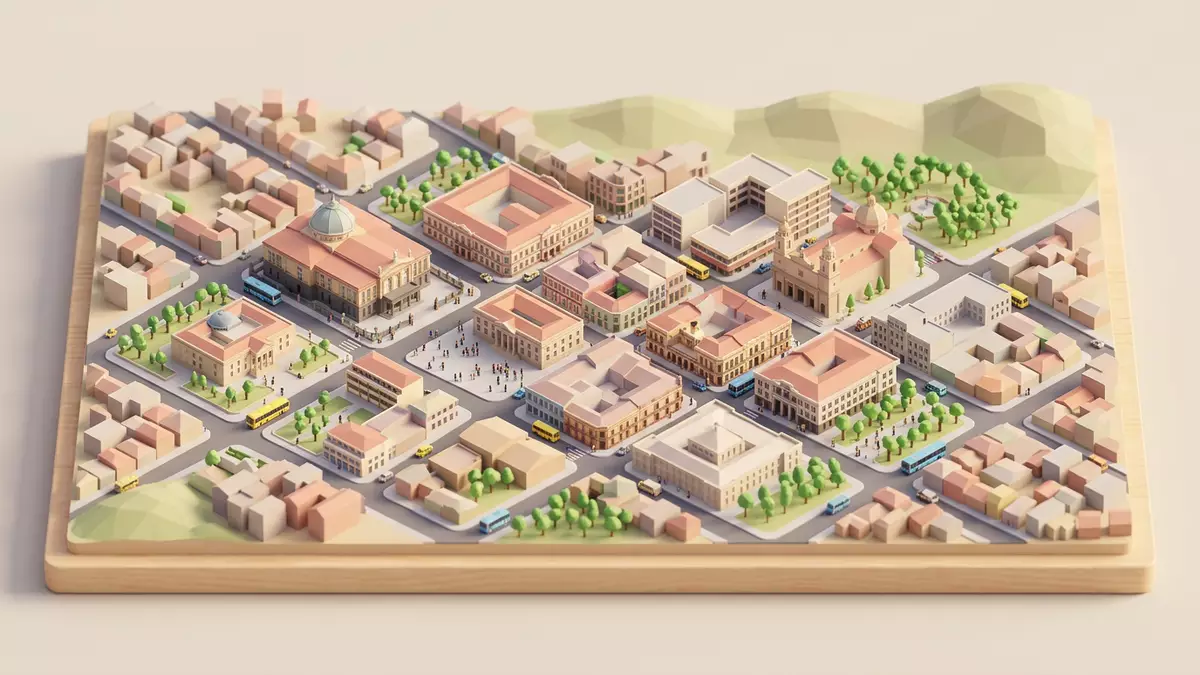
Centro Historico de San Jose in San Jose, Costa Rica, brings together dense downtown plazas, civic buildings and the coffee-era streets of Barrio Amón into a compact historic core where the capital’s past remains visible in everyday city life.
From colonial plazas to coffee baron streets
The Centro Historico de San Jose corresponds to the traditional downtown core around Plaza de la Cultura, the Metropolitan Cathedral, the National Theater of Costa Rica and the Central Market, where civic life has long concentrated in the capital’s central district.traditional downtown core Within easy walking distance lie museums such as the Pre-Columbian Gold Museum and the National Museum in a former military barracks, giving the historic centre a dense cluster of cultural institutions around its main plazas.Pre-Columbian Gold Museum and National Museum
North-east of these plazas, the Centro Historico shades into Barrio Amón, laid out in the late nineteenth century on land linked to coffee plantations and developed as an elegant residential quarter for the city’s elite.late nineteenth century residential quarter The neighbourhood’s streets follow a grid between Central and 9th Streets and between 7th and 13th Avenues in the El Carmen district, forming a distinct area of stately houses above the downtown core.grid between Central and 9th Streets
Barrio Amón and tropical “neo-Victorian” architecture
Barrio Amón is widely recognised as one of the historic districts of San Jose, known for its architecture from the late nineteenth century and early twentieth century that once housed coffee-growing families and prominent Costa Ricans.historic district of San Jose Many of its buildings are low wooden houses with wide verandas and iron railings, often described as examples of Costa Rica’s tropical “neo-Victorian” style adapted to the climate.tropical “neo-Victorian” style
The neighbourhood was founded in 1890 by the French-born coffee businessman Amón Fasileau-Duplantier, whose initiative and contract with municipal authorities in the early 1890s led to the creation of this planned residential quarter for the capital’s elite.Amón Fasileau-Duplantier in 1890 Over time, many houses and mansions in Barrio Amón have been declared historic-architectural heritage of Costa Rica, reinforcing its role as a living archive of San Jose’s coffee-era prosperity.historic-architectural heritage
A living historic centre of culture and everyday life
In the broader Centro Historico de San Jose, streets such as Avenida Central carry an intense mix of commerce and civic activity, with Plaza de la Cultura acting as a cultural and physical centre where pedestrians flow between shops and landmark buildings.Plaza de la Cultura as cultural centre Within a short walk, visitors encounter the National Theater with its ornate façade, the Metropolitan Cathedral with its neoclassical lines and the covered passages of the Central Market, giving the district a layered texture of religious, commercial and cultural spaces.route past Cathedral, Theater and Market
Barrio Amón lies at walking distance from this downtown core, forming one of the city’s remaining colonial-era residential districts where coffee baron mansions from the late nineteenth and early twentieth centuries stand among newer hotels, cafés and offices.coffee baron mansions from the late nineteenth and early twentieth centuries Together, the plazas, markets, museums and historic streets of the Centro Historico de San Jose and Barrio Amón form a compact area in the capital where architectural heritage, everyday commerce and cultural institutions sit side by side.
Visiting Centro Historico de San Jose: what travellers from Western Europe should know
- Centro Historico de San Jose occupies the central district of San Jose, Costa Rica, with key sights such as Plaza de la Cultura, the National Theater and the Central Market concentrated along Avenida Central and nearby streets.
- The terrain in the historic centre is urban and relatively level, though streets in Barrio Amón climb gently towards the Torres River, and some historic buildings are reached via staircases and verandas.
- Barrio Amón lies in the El Carmen district north-east of the main plazas, between Central and 9th Streets and between 7th and 13th Avenues, and is reached on foot from downtown along tree-lined streets.
- The official language is Spanish and the currency is the Costa Rican colón.
- Entry requirements depend on your nationality; UK travellers can check the FCDO travel advice at gov.uk/foreign-travel-advice, Irish travellers the Department of Foreign Affairs at ireland.ie.
Searching for Centro Historico de San Jose on social platforms
These links open searches for Centro Historico de San Jose on each platform.
Frequently asked questions about Centro Historico de San Jose
Where is Centro Historico de San Jose located?
Centro Historico de San Jose is the historic downtown core of San Jose, capital of Costa Rica, centred on plazas, markets and civic buildings in the city’s central district.
What can visitors expect on a walk through the historic centre?
A walk through Centro Historico de San Jose links Plaza de la Cultura, the National Theater, the Metropolitan Cathedral and the Central Market with nearby museums and the coffee-era streets of Barrio Amón.
What makes Centro Historico de San Jose distinctive among Central American capitals?
The combination of colonial-era plazas, dense markets and the tropical “neo-Victorian” mansions of Barrio Amón gives San Jose a historic centre where coffee-era residential architecture stands close to major cultural institutions.