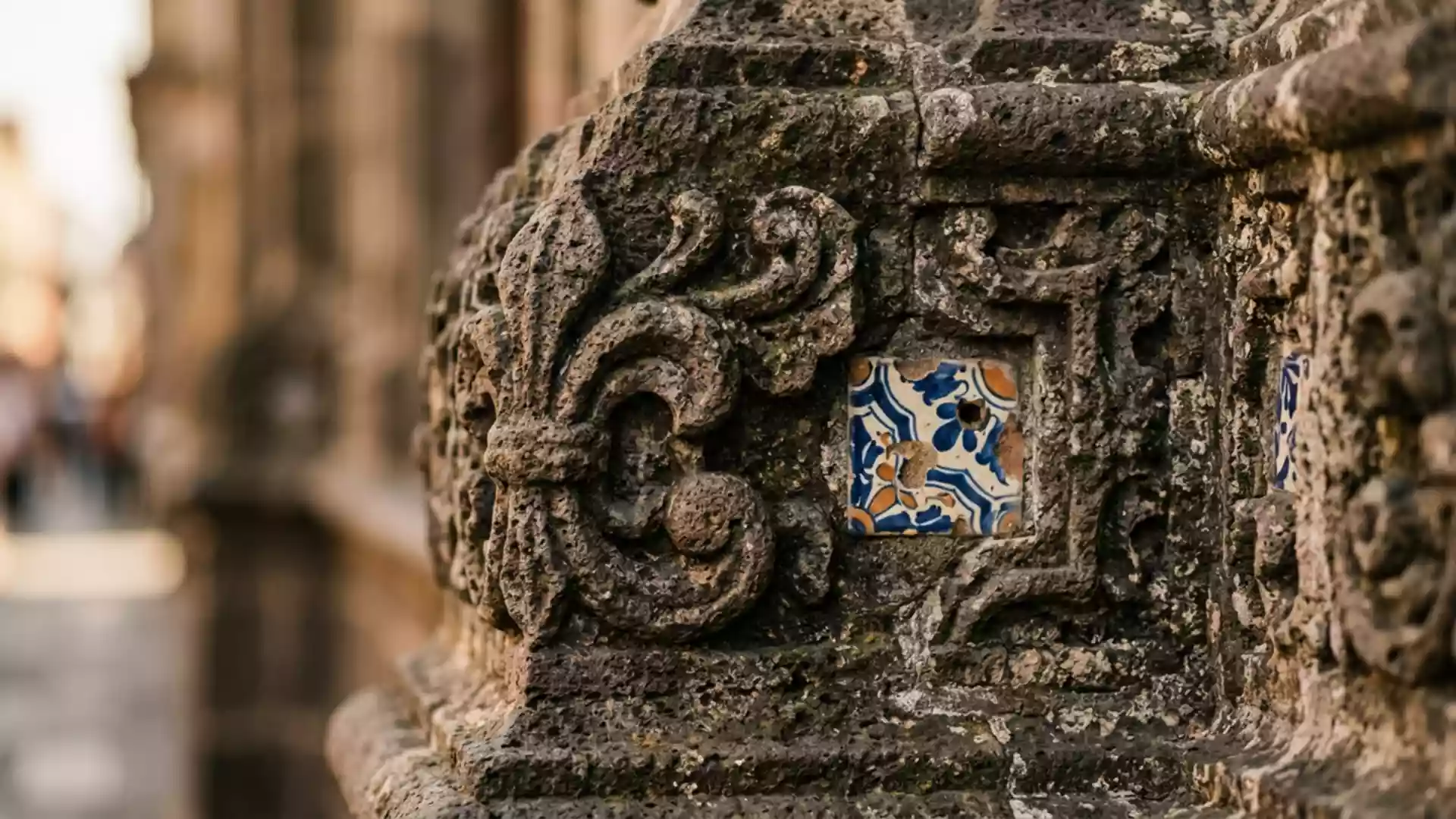
Centro Historico de Puebla and its tiled Baroque streets
Published on 09/11/2026 at 08:31 | Editorial responsibility: Rafael Müller, Editor-in-Chief AD HOC NEWS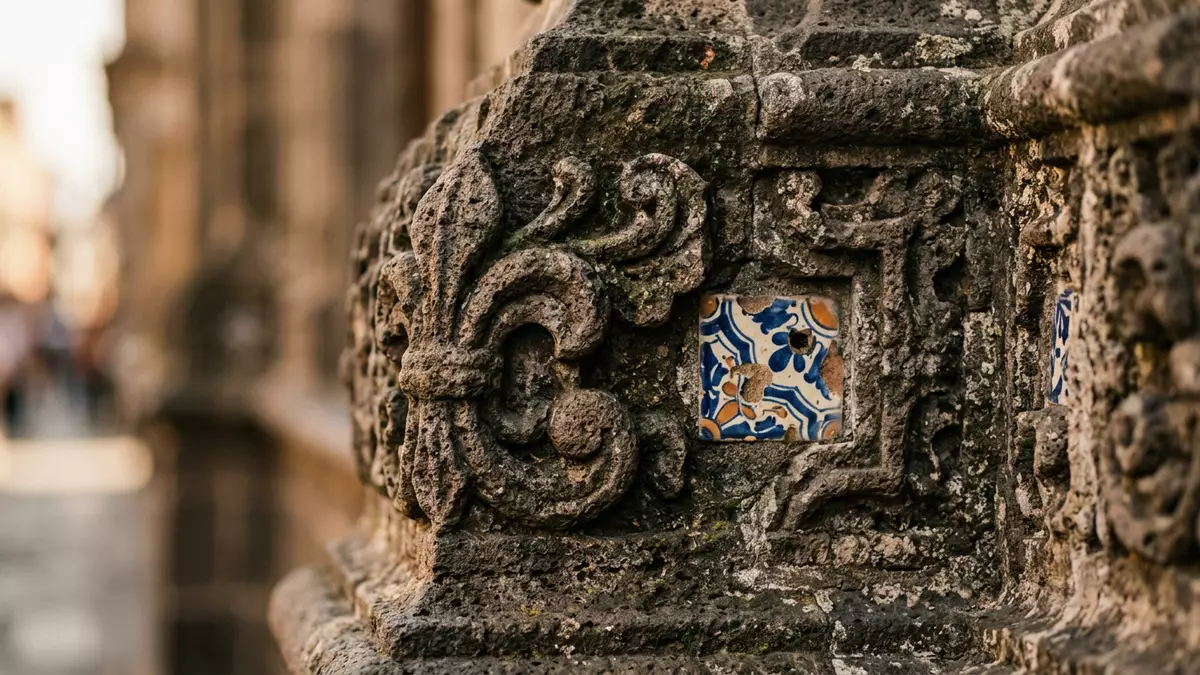
Centro Historico de Puebla is the historic core of Puebla, a World Heritage site recognised in 1987. Its streets carry a Renaissance grid, while churches, palaces and tiled houses give the centre its Baroque character.
Baroque streets and tiled facades in Puebla
The centre was founded in 1531, and its urban plan still follows a regular grid. That layout sits beside facades faced with azulejos, a detail that gives many streets a strong visual pattern. World Heritage site The city’s historic core is also closely linked with the cathedral and the old archbishop’s palace, two of the most recognisable buildings in the centre. cathedral and palace
Baroque churches and civic buildings form the architectural backbone of the district. The result is a centre where religious architecture, domestic facades and formal urban planning remain visible together.
The cathedral, palaces and civic buildings
The cathedral dates from the sixteenth and seventeenth centuries. The old archbishop’s palace stands among major buildings of the same historic centre, and the Palafox Library occupies part of that complex. old archbishop’s palace The historic centre contains churches such as Santo Domingo, San Francisco and the Jesuit Church, along with houses clad in coloured tiles. churches of Santo Domingo
That mix of buildings is part of the centre’s identity as an urban ensemble rather than a single monument. The religious structures, palace frontages and tiled houses make the streets read as layered civic space.
A colonial grid in a volcanic valley
Puebla lies about 100 km east of Mexico City, at the foot of Popocatepetl. The historic centre sits within that wider setting, with the valley and volcano forming part of the city’s larger frame. about 100 km east The city was founded ex nihilo in 1531, and that foundation date remains central to its historic character. founded ex nihilo
The grid plan and the surviving buildings make the historic centre legible as a planned colonial city. Its Baroque district also reflects a local adaptation of European and American styles, visible in the facades and church fronts.
Visiting Centro Historico de Puebla: what travellers from Western Europe should know
- The centre lies in Puebla, in central Mexico, and the historic core is reached through the city streets around it.
- The area is urban and level, with a grid of streets rather than steep ground.
- The cathedral, the archbishop’s palace and the tiled houses give the centre its clearest visual landmarks.
- The official language is Spanish and the currency is the Mexican peso.
- Entry requirements depend on your nationality; UK travellers can check the FCDO travel advice at gov.uk/foreign-travel-advice, Irish travellers the Department of Foreign Affairs at ireland.ie.
Searching for Centro Historico de Puebla on social platforms
These links open searches for Centro Historico de Puebla on each platform.
Frequently asked questions about Centro Historico de Puebla
Where is Centro Historico de Puebla?
It is the historic centre of Puebla in central Mexico. The district lies about 100 km east of Mexico City and sits at the foot of Popocatepetl.
What does a visit involve?
The experience is mainly urban, with streets laid out in a grid and buildings spread across the centre. The main landmarks include the cathedral, the archbishop’s palace and houses with tiled facades.
What makes it distinctive?
The combination of a Renaissance street plan, sixteenth- and seventeenth-century religious buildings, and Baroque facades covered in azulejos gives the centre its character. The ensemble was inscribed on the World Heritage List in 1987.