
Centro Historico de Puebla and its tiled baroque streets
Published on 09/07/2026 at 22:51 | Editorial responsibility: Rafael Müller, Editor-in-Chief AD HOC NEWS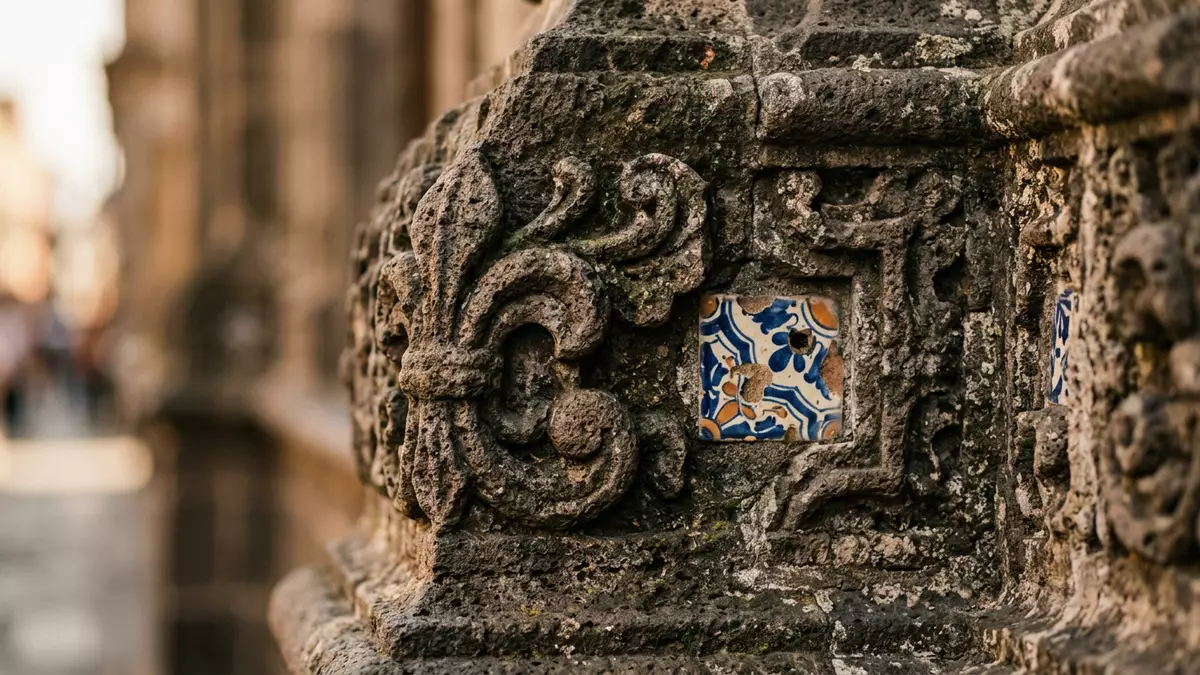
Centro Historico de Puebla is the historic centre of Puebla in central Mexico, laid out as a planned colonial grid and recognised as a UNESCO World Heritage Site for its dense baroque streetscapes and tiled façades.Historic Centre of Puebla The area preserves an urban fabric that dates back to the foundation of Puebla in 1531 under the Spanish crown, with churches, palaces and townhouses lining closely set streets.historic centre of Puebla
A Renaissance grid at the foot of Popocatépetl
The historic centre occupies the original colonial core of Puebla, a city founded in the sixteenth century between Mexico City and the Veracruz route at the foot of the Popocatépetl volcano.city of Puebla founded ex nihilo in 1531 From the beginning it was laid out on a regular grid inspired by Renaissance notions of order, with straight streets and rectangular blocks meeting around a central square.
Walking through Centro Historico de Puebla means moving along that grid, where long, straight streets link plazas and church fronts and where the uniform blocks frame a sequence of façades rather than isolated monuments.renacentista grid that inspired other colonial cities The regular plan gives the area a clear structure that visitors can trace from the main square outwards to quieter streets and neighbourhoods.
Churches, palaces and tiled townhouses
One anchor of Centro Historico de Puebla is the cathedral, a large religious complex whose construction spans the sixteenth and seventeenth centuries and which dominates the principal square with its towers and stone mass.cathedral dating from the sixteenth and seventeenth centuries Around it stand further churches, including Santo Domingo and San Francisco, and former Jesuit buildings that mark Puebla’s importance within the ecclesiastical structure of New Spain.
Secular architecture is equally present, with former archbishop’s palaces, educational institutions and a wealth of houses whose walls are faced in brick and ceramic.houses with walls covered in tiles Many façades are covered with glazed tiles known as azulejos, often produced as Puebla’s talavera ceramics, which frame windows, cornices and entire wall surfaces in colour and patterns that distinguish the baroque streets from other Mexican cities.talavera tiles and 2,619 historic buildings
World Heritage status and layered styles
Centro Historico de Puebla was decreed a Historic Monuments Zone in 1977 by presidential act and was inscribed on the UNESCO World Heritage List in 1987 as the Historic Centre of Puebla.Historic Monuments Zone in 1977 and World Heritage in 1987 The protected area covers hundreds of blocks and thousands of registered historic buildings, reflecting continuous urban life from the sixteenth century onwards within a largely intact street pattern.391 blocks and thousands of historic buildings
The architecture inside the zone ranges from plateresque and mannerist elements of early colonial construction to baroque façades, neoclassical interventions and twentieth-century eclecticism.styles from plateresque to modern movement The baroque district that UNESCO highlights brings together European baroque forms and local craft traditions, producing what is often called Poblano baroque, where carved stone, stucco decoration and ceramic surfaces share the same façades and streets.
Visiting Centro Historico de Puebla: what travellers from Western Europe should know
- Centro Historico de Puebla lies in the city of Puebla in central Mexico, east of Mexico City, and can be reached overland from Mexico City and by transport links from Puebla’s airport.
- The historic centre consists of a dense grid of streets and blocks; exploring it involves walking over stone-paved surfaces and crossing intersections that separate churches, squares and residential frontages.
- The protected zone sits at altitude on Mexico’s central plateau, and many streets rise or fall slightly between blocks rather than forming completely level ground.
- Spanish is the official language and the currency is the Mexican peso.
- Entry requirements depend on your nationality; UK travellers can check the FCDO travel advice at gov.uk/foreign-travel-advice, Irish travellers the Department of Foreign Affairs at ireland.ie.
Searching for Centro Historico de Puebla on social platforms
These links open searches for Centro Historico de Puebla on each platform.
Frequently asked questions about Centro Historico de Puebla
Where is Centro Historico de Puebla?
Centro Historico de Puebla is the historic centre of the city of Puebla in central Mexico, on the country’s high plateau east of Mexico City and near Popocatépetl volcano.
What can visitors expect on a visit?
Visitors encounter a planned grid of streets lined with colonial churches, palaces and townhouses, many of them faced with stone and brightly glazed ceramic tiles.
What makes Centro Historico de Puebla distinctive?
The area is distinctive for its intact colonial urban plan, its concentration of architecture from the sixteenth to nineteenth centuries and its extensive use of talavera tiles on façades recognised in its UNESCO World Heritage status.


