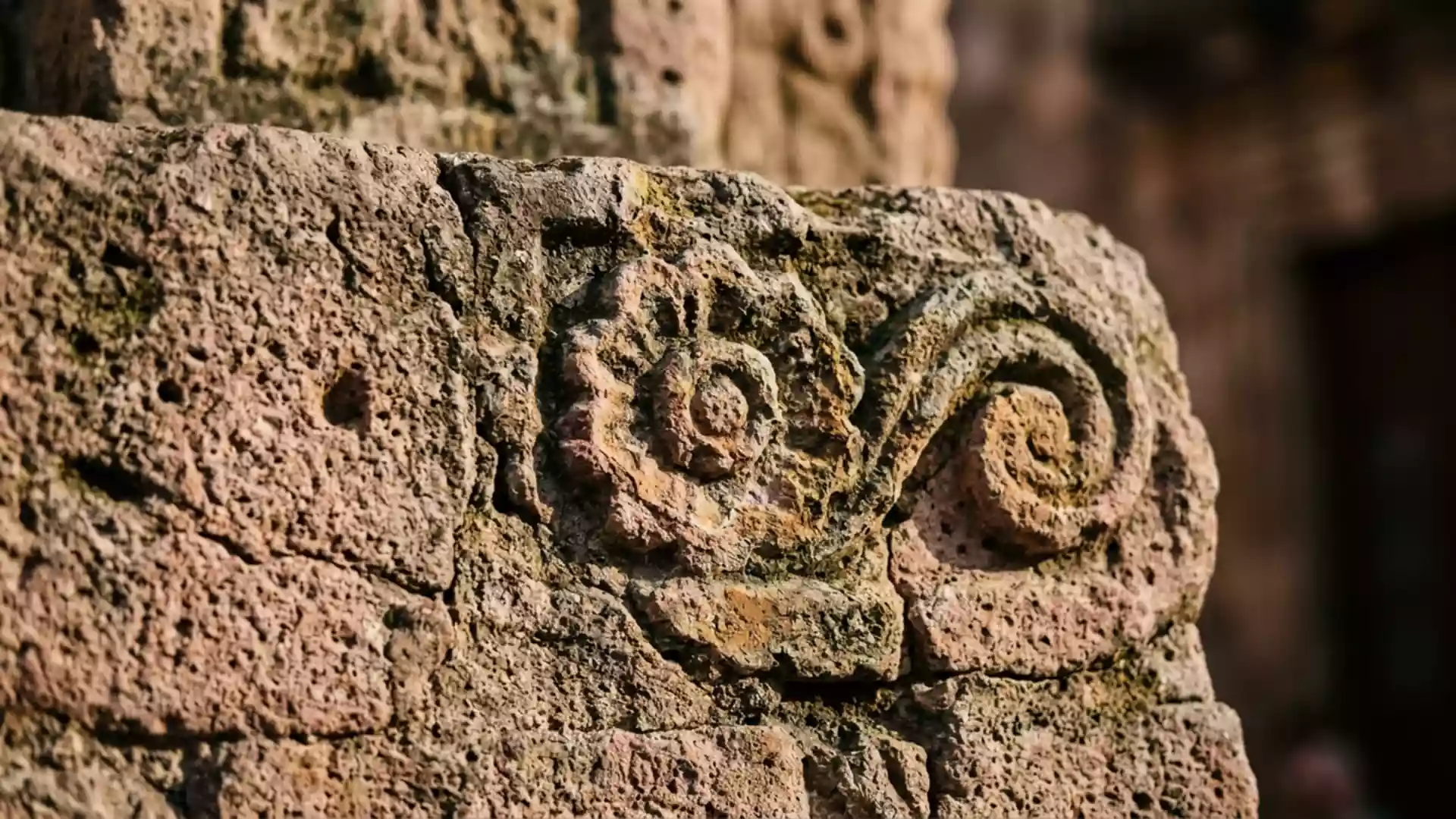
Centro Historico de Morelia and its pink stone street grid
Published on 09/11/2026 at 09:54 | Editorial responsibility: Rafael Müller, Editor-in-Chief AD HOC NEWS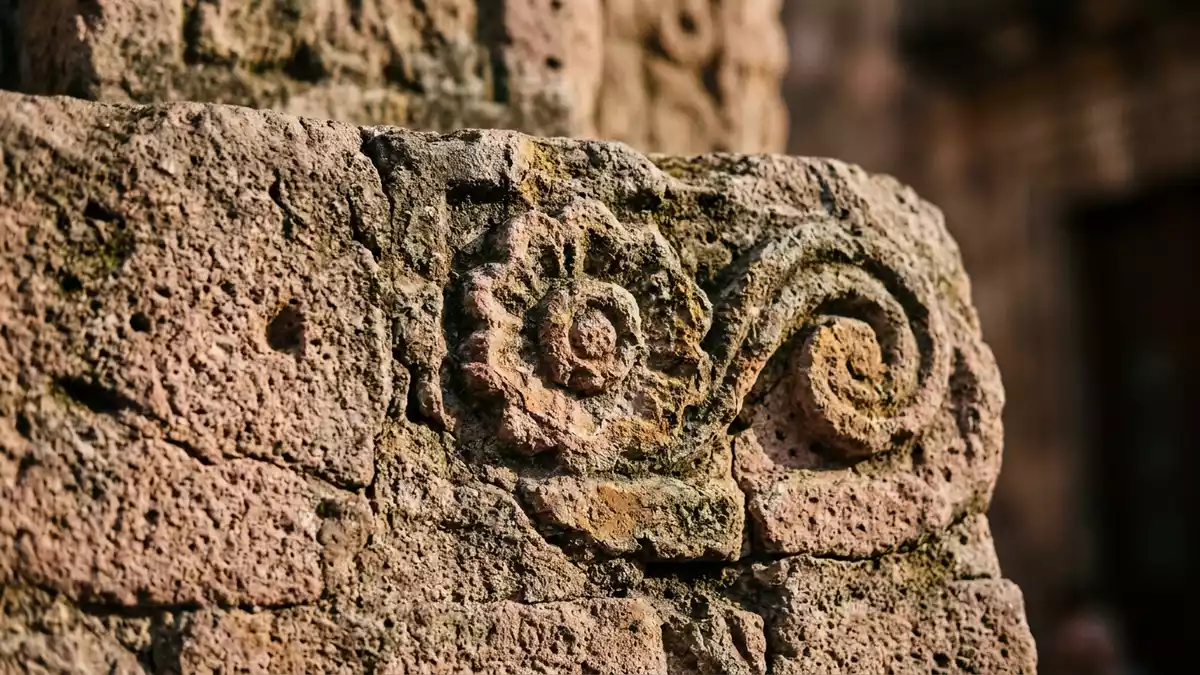
Centro Historico de Morelia, the historic centre of Morelia in Mexico, is a colonial cityscape laid out in the sixteenth century on a straight, geometric street grid and built largely from warm pink stone. In this grid of streets and plazas, churches, palaces and houses from the sixteenth to the eighteenth centuries form a coherent ensemble that earned inscription on the UNESCO World Heritage List in 1991.
A Renaissance grid in the hills of Michoacán
The historic centre lies in the city of Morelia, capital of the Mexican state of Michoacán, in central Mexico at the foot of the Sierra Madre Occidental. The UNESCO listing describes the Historic Centre of Morelia as an outstanding example of urban development combining Spanish Renaissance town-planning theories with the experience of Mesoamerican cities, expressed in a regular “checkerboard” street pattern adapted to a sloping hill site.Historic Centre of Morelia
Within this grid, the protected area covers hundreds of hectares and contains more than 200 historic buildings dating mainly from the colonial period.more than 200 historic buildings Many of these structures rise along the main east–west axis, today known as Avenida Francisco I. Madero, where civil and religious buildings share similar heights and materials. The continuity of façades, cornice lines and tower silhouettes along these streets makes the urban plan itself one of the most striking experiences of a visit.
Pink stone architecture across three centuries
One of the most distinctive features of Centro Historico de Morelia is the extensive use of locally quarried pink stone, whose warm colour unites buildings from different periods. UNESCO and Mexican heritage authorities note that this stone is the principal construction material in the historic centre, giving the cityscape its characteristic rose hue in daylight.pink stone as principal material The grid contains churches, colleges, houses and palaces whose façades combine Renaissance, Baroque and neoclassical elements, all rendered in this stone.
Morelia Cathedral stands near the centre of the grid and is one of the most recognisable structures in the area. Construction of the present cathedral began in 1660 under the Italian architect Vizencio Barroquio and was completed in 1744, giving the building a long gestation across the late Renaissance and Baroque periods.construction between 1660 and 1744 Its towers and dome, built in pink stone, rise above the surrounding streets and align with the grid, placing a major religious building within the rational plan. Other churches and civil buildings from the seventeenth and eighteenth centuries repeat the material and blend styles, so that walking through the centre produces a sequence of façades that read as a physical record of Mexican architecture across those centuries.blend of Renaissance, Baroque and neoclassical elements
UNESCO World Heritage status and city life
Centro Historico de Morelia is inscribed on the UNESCO World Heritage List as the Historic Centre of Morelia, a cultural property recognised for meeting criteria ii, iv and vi.criteria ii, iv and vi It has held this status since 1991, when the site was accepted on the list as a historic city whose plan and architecture reflect a significant interchange of human values and an outstanding example of a type of urban ensemble.UNESCO inscription in 1991 Heritage organisations emphasise that the central part of the historic centre includes 249 monuments regarded as particularly important, among them churches and civil constructions that crystallise the architectural history of the city.249 monuments of prime importance
In practical terms, Centro Historico de Morelia functions both as a living city centre and as a protected heritage zone. The designation as a historic city means that streets, squares and façades belong to an ensemble whose preservation is subject to specific regulations across an area measured at 390 hectares.regulations over 390 hectares Within this area, everyday activities, local commerce and institutional life unfold against the backdrop of pink stone architecture and the ordered grid. Travellers experience the historic centre as a place where official buildings, churches, educational institutions and houses share the same materials and proportions, so that ordinary movements along the streets trace the lines of a colonial plan that has remained legible for centuries.
Visiting Centro Historico de Morelia: what travellers from Western Europe should know
- Centro Historico de Morelia lies in Morelia, capital of the Mexican state of Michoacán in central Mexico, and is reached along streets laid out on the historic grid.
- Walking the historic centre involves moving along straight streets and crossing plazas; pavements and stone surfaces require footwear suited to extended time on hard ground.
- The city sits at altitude on the flanks of a hill, so some streets rise on gradients within the grid and visitors encounter gentle climbs between different parts of the centre.
- The official language is Spanish and the currency is the Mexican peso.
- Entry requirements depend on your nationality; UK travellers can check the FCDO travel advice at gov.uk/foreign-travel-advice, Irish travellers the Department of Foreign Affairs at ireland.ie.
Searching for Centro Historico de Morelia on social platforms
These links open searches for Centro Historico de Morelia on each platform.
Frequently asked questions about Centro Historico de Morelia
Where is Centro Historico de Morelia located?
Centro Historico de Morelia is the historic centre of the city of Morelia, capital of the state of Michoacán in central Mexico, at the foot of the Sierra Madre Occidental.
What can visitors expect on a visit to Centro Historico de Morelia?
Visitors encounter a sixteenth-century street grid lined with pink stone churches, palaces and houses from the colonial period, forming a coherent cityscape that remains in active daily use.
What makes Centro Historico de Morelia distinctive among historic cities?
The combination of a Renaissance-inspired grid adapted to a hill site, the consistent use of pink stone and the concentration of colonial architecture recognised as a UNESCO World Heritage cultural property makes the centre distinctive.