
Centro Historico de Morelia and its pink stone street grid
Published on 08/26/2026 at 17:23 | Editorial responsibility: Rafael Müller, Editor-in-Chief AD HOC NEWS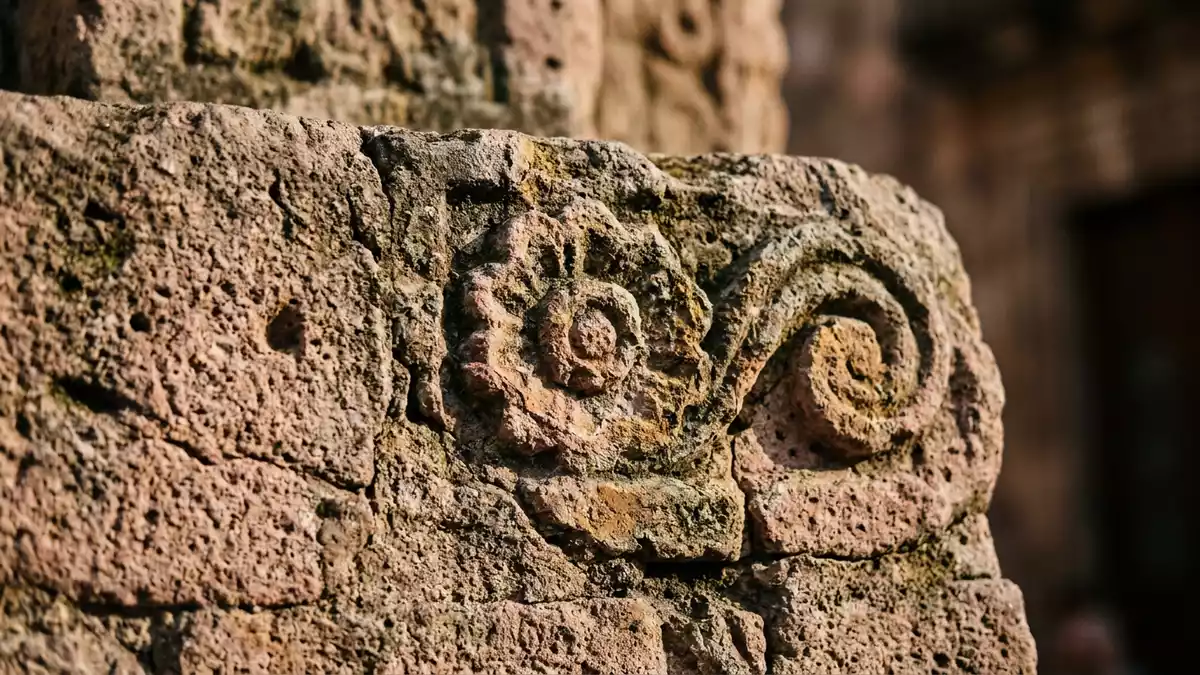
Centro Historico de Morelia, the historic centre of Morelia in Mexico’s state of Michoacán, is a Renaissance-inspired street grid lined with warm pink stone buildings and church towers. Laid out in the sixteenth century as a Spanish colonial city and inscribed on the UNESCO World Heritage List in 1991, it preserves an urban plan and architecture that still make the historic core feel like a single coherent ensemble.
A colonial grid shaped by stone and symmetry
The historic centre occupies a hill site in central Mexico, at the foot of the Sierra Madre Occidental and near the agricultural valley of Morelia-Querendaro, where the colonial city of Valladolid, later renamed Morelia, took form in the sixteenth century.The Historic Centre of Morelia was laid out on a geometric checkerboard of straight streets and rectangular blocks, following Spanish Renaissance theories of town planning while drawing on local Mesoamerican experience of organised urban life.an example of Spanish-Mesoamerican urban planning The result is a regular street pattern where long vistas frame church facades, civic buildings and arcaded frontages in a sequence that feels deliberate rather than accidental.
Within this grid, the historic centre contains more than 200 historic buildings from the colonial period, concentrated in an area of several hundred hectares that forms the core of the city.City Heritage figures for the historic centre Many of these structures date from the seventeenth and eighteenth centuries, when Baroque and later neoclassical styles shaped churches, college buildings and palaces, and their continuity makes the area feel like a three-dimensional record of Mexican architecture across those centuries.
Pink cantera facades and layered architecture
Cento Historico de Morelia is characterised above all by the extensive use of cantera rosa, a pink volcanic stone quarried in the region and used as the principal building material for churches, houses and civic monuments.the use of cantera as main construction material This stone gives the facades a warm, rose-coloured tone that varies with the light and visually unifies religious and civil architecture across the centre. Streets of arcaded houses, convent complexes and administrative buildings share the same material palette, so that a walk along the main avenues feels like moving through a single, continuous stone composition rather than a patchwork of unrelated structures.
The architectural language visible in the historic centre ranges from austere Renaissance lines to highly ornamented Baroque facades and later neoclassical reworkings, often within the same ensemble.architectural styles and pink stone buildings Cupolas decorated with ceramic tiles, richly carved portals, long arcades and stone balconies appear repeatedly, and many complexes belong to religious orders that shaped the colonial city, such as the Franciscans and Augustinians.eighteenth-century ensembles defining the centre’s character Together they form a layered architectural landscape in which successive periods of design remain legible in stone rather than being erased.
Monuments, aqueduct and civic spaces
At the heart of Centro Historico de Morelia stands the cathedral, a broad-fronted church whose twin towers rise above the surrounding grid and whose pink stone facade anchors the main civic square.stunning buildings like the cathedral Around it, plazas and gardens form a sequence of open spaces, linked by arcaded streets where colleges, government buildings and historic houses front onto the public realm. These squares and their surrounding architecture illustrate how the colonial city organised religious, administrative and social life within a compact centre.
Stretching across part of the city is the aqueduct of Morelia, an eighteenth-century structure whose rhythm of stone arches extends the historic centre’s architectural vocabulary beyond the core grid.the Aqueduct of Morelia as a representative architectural element Built to bring water to the colonial city and composed in the same pink stone as the centre, the aqueduct is cited as one of the elements that contributed to UNESCO recognition, since it demonstrates the reach of civic infrastructure and the aesthetic care invested in functional works.
Visiting Centro Historico de Morelia: what travellers from Western Europe should know
- Centro Historico de Morelia lies in the city of Morelia, capital of the Mexican state of Michoacán, in central Mexico at the foot of the Sierra Madre Occidental. It is reached by road from other parts of Michoacán and by air via Morelia’s international airport, which connects the city to other Mexican and foreign destinations.
- The historic centre is built on gently sloping terrain with long straight streets; exploring it on foot involves walking along stone pavements and crossing plazas, with some staircases inside monumental buildings and church towers.
- The Aqueduct of Morelia runs across part of the city and can be seen from streets and small parks near its arches, giving visitors a sense of the historic connection between the centre and its former water supply structures.
- The official language is Spanish and the currency is the Mexican peso.
- Entry requirements depend on your nationality; UK travellers can check the FCDO travel advice at gov.uk/foreign-travel-advice, Irish travellers the Department of Foreign Affairs at ireland.ie.
Searching for Centro Historico de Morelia on social platforms
These links open searches for Centro Historico de Morelia on each platform.
Frequently asked questions about Centro Historico de Morelia
Where is Centro Historico de Morelia located?
Centro Historico de Morelia is the historic centre of the city of Morelia, capital of the state of Michoacán in central Mexico, at the foot of the Sierra Madre Occidental.
What should visitors expect when exploring the historic centre?
Visitors encounter a Renaissance-inspired grid of straight streets, plazas framed by pink stone facades, churches, colleges and civic buildings that date largely from the sixteenth to eighteenth centuries.
What makes Centro Historico de Morelia distinctive among colonial city centres?
The combination of a well-preserved checkerboard street plan, extensive use of pink cantera stone and a dense concentration of historic religious and civil architecture, recognised through UNESCO World Heritage inscription in 1991, gives the centre a strongly unified character.


