
Centro Historico de Morelia and its pink-stone grid
Published on 09/23/2026 at 21:03 | Editorial responsibility: Rafael Müller, Editor-in-Chief AD HOC NEWS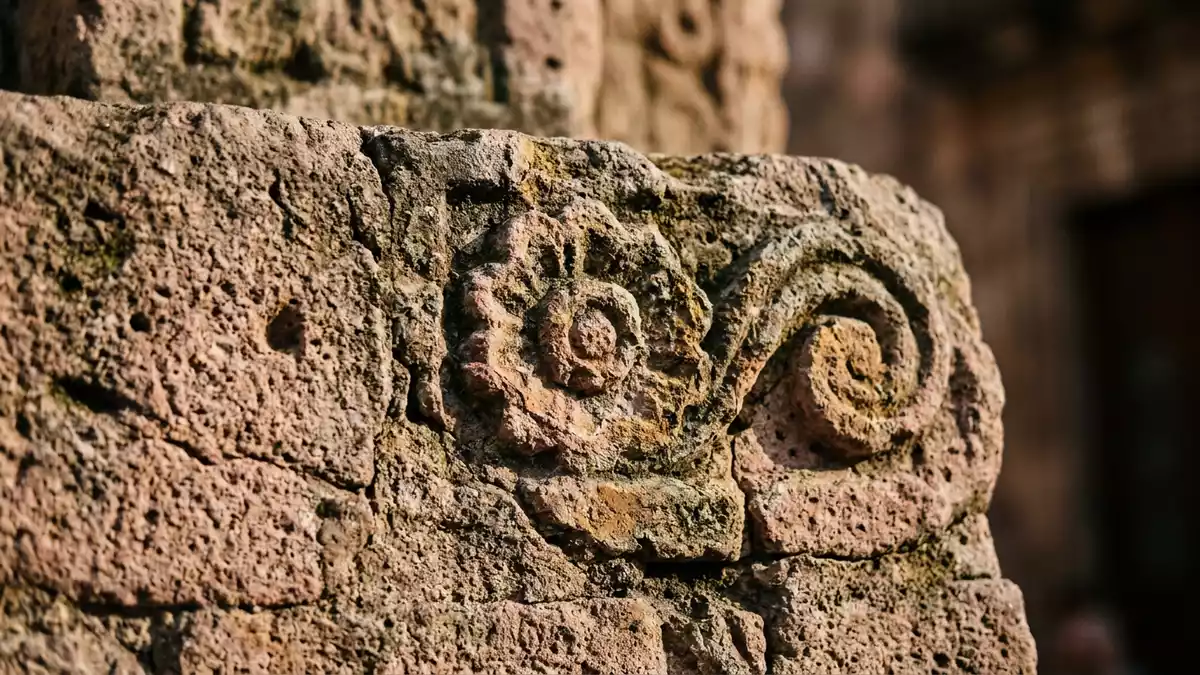
Centro Historico de Morelia is a city centre drawn in a sixteenth-century grid and built largely from pink cantera stone. In Morelia, streets, churches, arcades and squares form an architectural field where medieval, Renaissance, Baroque and neoclassical elements stand together.
Morelia’s pink stone city plan
Morelia was founded as Valladolid in the sixteenth century under orders associated with Viceroy Antonio de Mendoza. The original urban layout remains visible in the streets and plazas, where long lines and carefully framed views connect religious, civic and domestic buildings.
The city lies in central Mexico, near the Morelia-Queréndaro agricultural valley and at the foot of the Sierra Madre Occidental. Its historic centre is built from the region’s characteristic pink stone, giving façades, arcades and monumental churches a shared colour. UNESCO’s historic-centre record identifies the urban plan as a combination of Spanish Renaissance ideas and Mesoamerican experience.
The central area contains 249 monuments of prime importance, including churches and civil buildings. Their façades preserve a varied architectural vocabulary, while the common material gives the streets a coherent visual character.
Churches, plazas and Baroque Moreliano
Morelia Cathedral anchors the civic centre beside the principal square. Its construction began in 1660 and reached completion in 1744, producing a large pink-stone church with twin towers, a dome and a long nave. Baroque and neoclassical elements appear across its exterior and interior.
Plaza de Armas, Juárez Plaza and Melchor Ocampo Plaza create a sequence of open urban spaces around the cathedral and neighbouring buildings. Arcades frame parts of these squares, while historic façades reveal the passage from religious foundations to civic architecture.
Other notable buildings include the churches of Santa Rosa, Las Monjas and Guadalupe, the Palacio de Gobierno, the former Colegio de San Nicolás and the Centro Cultural Clavijero. Their materials and styles belong to a cityscape in which sculpted ornament, mouldings, towers and tiled domes appear across several periods.
The term “Baroque Moreliano” describes a local expression of this mixture. It combines decorative stonework with the measured façades of the historic grid, giving Morelia’s buildings a recognisable relationship between surface, proportion and street space.
The aqueduct and Morelia’s historical layers
The Morelia aqueduct forms a long arcade of stone arches on the eastern side of the historic centre. Built in the eighteenth century, it is a linear landmark distinct from the compact façades and towers around the central plazas.
The aqueduct belongs to the infrastructure of Valladolid and Morelia, while the cathedral represents the city’s major religious architecture. Together, these structures show how the historic centre contains both monumental buildings and practical urban works.
Morelia was renamed in 1828 in honour of José María Morelos, a native of Valladolid and a leading figure in Mexico’s independence movement. Miguel Hidalgo and Morelos are also connected with the city’s role in the history of independent Mexico.
The historic centre entered the UNESCO World Heritage List in 1991. The designation covers an urban ensemble whose streets retain the historic layout and whose buildings reflect architectural changes from the sixteenth through the eighteenth centuries. The heritage inventory for Morelia records the centre’s churches, civil buildings and pink cantera architecture.
For a traveller, the defining experience is not a single monument but the relationship between the grid and its buildings. A cathedral tower, an arcade, a stone façade or a distant aqueduct can become part of the same sequence of streets and squares.
Visiting Centro Historico de Morelia: what travellers from Western Europe should know
- Centro Historico de Morelia occupies the central area of Morelia in the Mexican state of Michoacán. The city is reached by road, rail connections and air travel through Morelia International Airport.
- The historic centre follows streets laid across a hill, so walking includes slopes, paved squares and changing levels between streets.
- Pink cantera appears across churches, civic buildings, arcades and historic houses. The shared stone colour is a constant feature of the central streetscape.
- The aqueduct lies east of the central plazas, while Morelia Cathedral, Plaza de Armas and the surrounding historic churches form the architectural core.
- The official language is Spanish and the currency is the Mexican peso.
- Entry requirements depend on your nationality; UK travellers can check the FCDO travel advice at gov.uk/foreign-travel-advice, Irish travellers the Department of Foreign Affairs at ireland.ie.
Searching for Centro Historico de Morelia on social platforms
These links open searches for Centro Historico de Morelia on each platform.Frequently asked questions about Centro Historico de Morelia
Where is Centro Historico de Morelia?
It occupies the historic centre of Morelia, in Michoacán, central Mexico. The district lies near the Morelia-Queréndaro valley and the Sierra Madre Occidental.
What can visitors expect in the historic centre?
Visitors find pink-cantera streetscapes, churches, plazas, arcades, civic buildings and the long stone aqueduct. The district is experienced through connected streets and open squares.
What makes Centro Historico de Morelia distinctive?
Its sixteenth-century urban grid combines Spanish Renaissance planning with Mesoamerican experience. More than 200 historic buildings unite medieval, Renaissance, Baroque and neoclassical elements in pink stone.


