
Centro Historico de Managua and its lakeside civic core
Published on 09/17/2026 at 12:44 | Editorial responsibility: Rafael Müller, Editor-in-Chief AD HOC NEWS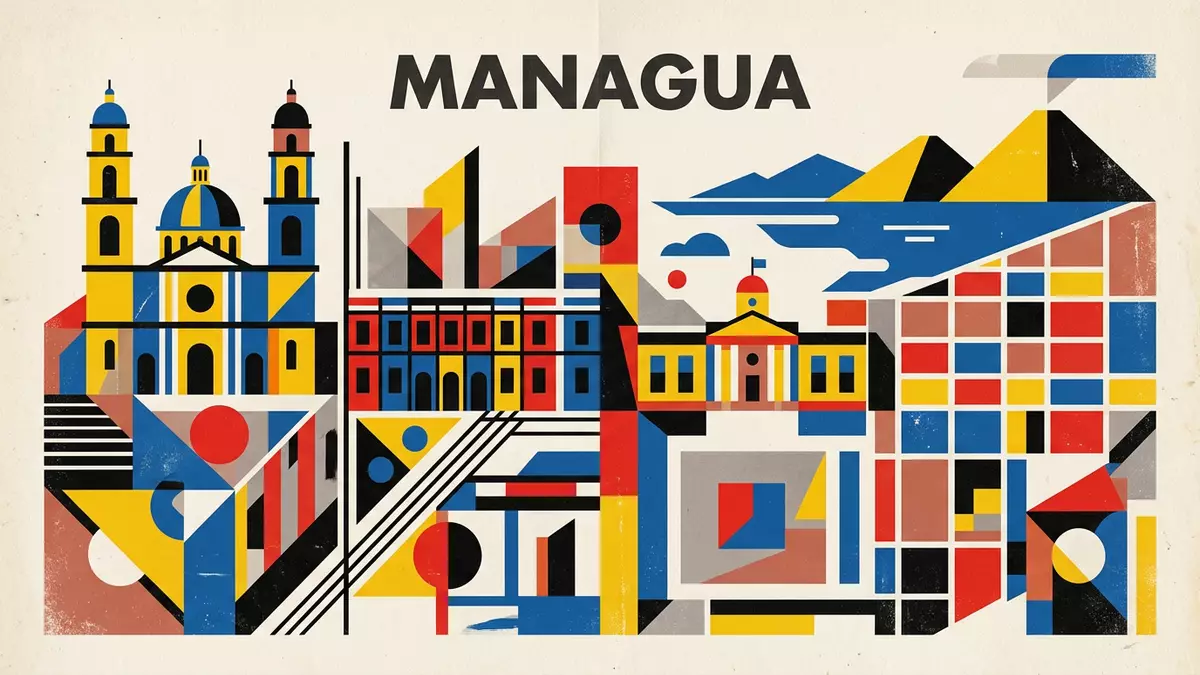
Centro Historico de Managua is the historic core of Managua, where Nicaragua’s earlier civic centre stretches along the southern shore of Lake Managua around broad plazas and damaged landmarks. Anchored by Plaza de la Revolución and the shell of the Old Cathedral, this district preserves the outlines of a pre-1972 city that once concentrated political, religious and cultural life in one compact urban stage.
A lakeside historic core shaped by plazas and landmarks
Centro Historico de Managua occupies the area around Plaza de la Revolución, formerly known as Plaza de la República, close to the southern shore of Lake Managua in the northern part of the urban area.Plaza de la Revolución forms a large open square framed by state and religious buildings, giving visitors a clear sense of how the city’s institutional heart once faced the lake.
To the west of the square stands the Palacio Nacional de la Cultura, a neoclassical building that houses Nicaragua’s National Museum and other cultural institutions.National Palace of Culture On another side rises the damaged shell of the Old Cathedral of Managua, also known as the Catedral de Santiago or Antigua Catedral de Managua, its weathered stone and towers marking a strong vertical presence above the plaza.Old Cathedral of Managua
The Old Cathedral and Managua’s earthquake-scarred heritage
The Old Cathedral of Managua is one of the most recognisable structures in Centro Historico de Managua, combining neoclassical forms with eclectic influences along its long facade.Old Managua Cathedral Designed by Belgian architects, its structural core used iron shipped from Belgium, giving the building a distinct construction history among Central American cathedrals.iron shipped from Belgium
The cathedral survived an earthquake in 1931 but was heavily damaged during the 1972 Nicaragua earthquake, after which it was condemned and closed to regular worship.damage in 1972 Its walls and towers remain as a striking ruin, standing beside the functioning civic buildings and newer monuments around the square. Together with the National Palace of Culture and the nearby Rubén Darío National Theatre, the cathedral helps define Centro Historico de Managua as a district where damaged heritage and active institutions share the same urban ground.cluster of surviving structures
From civic nucleus to open historic district
Before the 23 December 1972 earthquake, the area now branded as Centro Historico de Managua formed the principal urban, political, economic and cultural nucleus of Nicaragua’s capital.original civic nucleus It concentrated key buildings including the Old Cathedral, the National Palace, the national theatre and the presidential residence, alongside markets, hotels, railway facilities and municipal offices.historic core of Managua
In later decades, the wider city shifted its commercial and residential focus southwards, but Centro Historico de Managua remained a symbolic historic district along the lakefront.post-1972 interventions Recovery and cultural projects introduced promenades such as the lakeside Paseo Xolotlán and strengthened heritage uses in buildings such as the National Palace of Culture and the Rubén Darío National Theatre, reinforcing the area’s role as a place where Managua’s layered twentieth-century history remains legible in stone, concrete and open space.Paseo Xolotlán promenade
Visiting Centro Historico de Managua: what travellers from Western Europe should know
- Centro Historico de Managua lies in Managua, capital of Nicaragua, in the northern part of the urban area near the southern shore of Lake Managua, centred on Plaza de la Revolución and the blocks around the Old Cathedral and the National Palace of Culture.
- The district is an open urban area with plazas, streets and lakefront promenades, so visiting involves walking across paved squares and along broad avenues exposed to sun and weather.
- Centro Historico de Managua is reached by road from Managua’s main districts and from Augusto C. Sandino International Airport via the city’s arterial avenues.
- Within the historic centre, key landmarks such as the Old Cathedral, the National Palace of Culture and the Rubén Darío National Theatre stand within a short walk of one another around Plaza de la Revolución.
- The official language is Spanish and the currency is the córdoba.
Searching for Centro Historico de Managua on social platforms
These links open searches for Centro Historico de Managua on each platform.
Frequently asked questions about Centro Historico de Managua
Where is Centro Historico de Managua located within the city?
Centro Historico de Managua occupies the northern part of Managua near the southern shore of Lake Managua, centred on Plaza de la Revolución and the surrounding civic blocks.
What can visitors expect when walking through the historic centre?
Visitors encounter broad plazas, the ruined Old Cathedral, the neoclassical National Palace of Culture, the Rubén Darío National Theatre and lakefront promenades linking these structures along the shore.
What makes Centro Historico de Managua distinctive among city districts?
The district combines earthquake-damaged heritage, active civic institutions and open squares beside Lake Managua, preserving the former civic nucleus of Nicaragua’s capital in a compact lakeside setting.


