
Caye Caulker’s reefs, mangroves and split island
Published on 09/04/2026 at 21:07 | Editorial responsibility: Rafael Müller, Editor-in-Chief AD HOC NEWS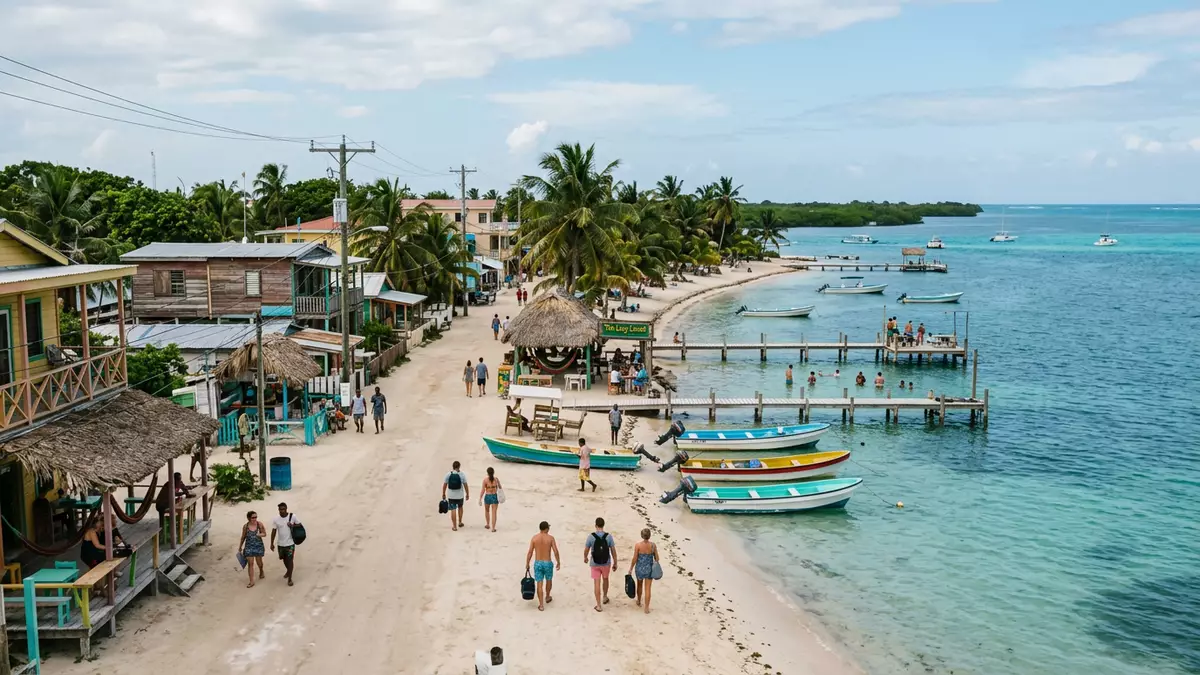
Caye Caulker is a low island in Belize, set near the Belize Barrier Reef and shaped by sand, limestone and shallow lagoon water. Its most recognisable feature is the Split, a channel that divides the island into two distinct halves.
The island’s character comes from that contrast: a compact village on one side, mangrove and littoral forest on the other. The Marine Reserve and Forest Reserve give the place a clear identity beyond beach life alone.
A village beside reef and lagoon
Caye Caulker lies in the Northern Shelf Lagoon, off the coast of Belize, and the reef runs close to its eastern side. The island is linked to fishing, snorkelling and boat travel, while the village remains the busiest settlement on the caye.
Belize City sits to the south-west, and Caye Caulker is also placed near Ambergris Caye in the island chain. Early settlement is tied to Mestizo refugees from the Caste Wars in Yucatán, and Luciano Reyes purchased the island in 1870.
The Split and the island’s changing edge
The Split cuts through the island and gives Caye Caulker its clearest physical divide. On one side are the village streets and docks; on the other are mangroves and lower-lying ground.
The marine side of the island is built around the barrier reef, lagoon flats and patch reefs. The land side carries littoral forest, mangroves and coconut palms, with the north point holding much of the protected terrestrial habitat.
the Split is the place most closely associated with the island’s public face, but the reserves widen the picture. Caye Caulker Forest and Marine Reserves were declared in 1998, giving legal form to two linked landscapes that people experience very differently.
Reef, mangrove and littoral forest
The reef edge off Caye Caulker includes barrier, backreef and patch reef habitats. Coral gardens, seagrass beds and lagoon channels sit inside a broad marine setting that also supports turtles, manatees and reef fish.
Land habitats are equally specific. The forest reserve contains littoral forest, thicket and mangrove communities, with coconut palms dominant in some northern areas and native shrubs and trees more varied farther south.
the marine reserve stretches in a 7-like form around the north point, while the forest reserve sits on the island’s northern tip. That pairing makes Caye Caulker unusual as a place where sea and shore conservation meet directly.
Visiting Caye Caulker: what travellers from Western Europe should know
- The island is reached by boat or air from Belize City, with a water-taxi link and flights from the municipal airport.
The route places the traveller in a lagoon island setting rather than on a mainland coast. - The Split, the village streets and the northern mangroves are the main physical features to expect.
Paths are flat, but water, boats and sand are part of the setting. - The official language is English and the currency is the Belize dollar.
That makes basic travel arrangements straightforward for English-speaking visitors. - Entry requirements depend on your nationality; UK travellers can check the FCDO travel advice at gov.uk/foreign-travel-advice, Irish travellers the Department of Foreign Affairs at ireland.ie.
- The island’s protected areas cover reef and forest habitats, so a visit can move from docks and village lanes to mangroves and reef waters in one place.
Searching for Caye Caulker on social platforms
These links open searches for Caye Caulker on each platform.
Frequently asked questions about Caye Caulker
Where is Caye Caulker?
Caye Caulker is an island in Belize, lying in the Northern Shelf Lagoon near the Belize Barrier Reef. It sits south-west of Ambergris Caye and north-east of Belize City.
What does a visit involve?
A visit usually centres on the village, the Split and boat access to reef waters. The land is low and sandy, while mangroves and the protected forest occupy the north end.
What makes Caye Caulker distinctive?
The island combines a compact settlement, a reef reserve and a forest reserve in one small place. The Split gives it a clear physical divide, while the reserves preserve both marine and terrestrial habitat.


