
Cataratas del Iguazu: a basalt canyon of water and forest
Published on 08/16/2026 at 14:57 | Editorial responsibility: Rafael Müller, Editor-in-Chief AD HOC NEWS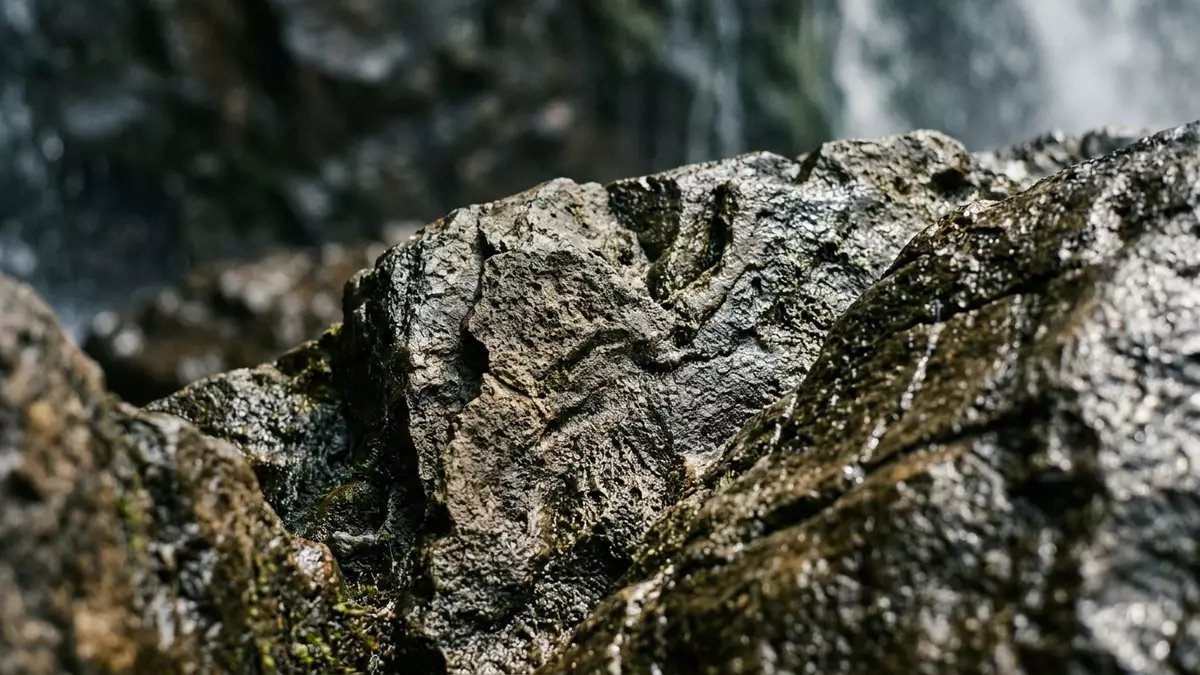
Cataratas del Iguazu is the Spanish name for Iguazu Falls, the great band of waterfalls where the Iguazu River drops off a basalt plateau on the border between Argentina and Brazil. Rising from the subtropical forest near Puerto Iguazu in Misiones Province, the river breaks into hundreds of individual cascades that together form one of South America’s most dramatic river landscapes, protected on the Argentine side as Iguazu National Park, which was inscribed as a UNESCO World Heritage Site in 1984.
Water, basalt and the scale of the falls
The defining experience of Cataratas del Iguazu is the encounter with water and rock across an immense arc rather than a single vertical drop. The Iguazu River, flowing west towards its confluence with the Paraná River, reaches the edge of a basalt plateau and spills over in a semicircular curtain some 2,700 m (8,860 ft) wide.semicircular waterfall Here the river divides into a maze of channels between islands and promontories, creating a system of cascades that has long been described as comprising up to 275 individual falls along the rim.conjunto de cataratas
The underlying rock is basalt, part of a plateau that extends across large areas of Argentina, Brazil, Paraguay and Uruguay.basalt plateau Erosion has carved the edge of this plateau into a stepped canyon, so visitors see water dropping in stages, sometimes in narrow ribbons, sometimes as broad walls. The Iguazu River itself forms the border between Misiones Province in Argentina and Paraná State in Brazil, and roughly two thirds of the waterfalls lie on the Argentine side within Iguazu National Park, with the remaining cascades facing them from the Brazilian park of Iguaçu.
Garganta del Diablo and the canyon at the heart of the falls
Among the many individual waterfalls that make up Cataratas del Iguazu, Garganta del Diablo – “Devil’s Throat” – stands out for its concentration of flow and height. This is a U-shaped canyon on the frontier between Argentina and Brazil where several channels of the Iguazu River converge, producing a single chasm into which the water drops in a plume of spray. The central cataract at Garganta del Diablo reaches a height of about 82 m (269 ft), making it one of the tallest drops in the Iguazu system and a focal point of most visits.Devil’s Throat height
Seen from walkways on both sides of the border, Garganta del Diablo forms the deepest part of the cataract line, with the semicircular group of falls around it extending for several kilometres.U-shaped cataract On the Argentine side, walkways lead out across islands in the river to viewing platforms that stand close to the lip, while on the Brazilian side the main views are from across the canyon. The constant spray from this section of the falls feeds lush vegetation on the surrounding cliffs, linking the spectacle of falling water with the dense green of the Atlantic Forest.
Iguazu National Park and the surrounding forest
Cataratas del Iguazu sits within Iguazu National Park, a protected area created in 1934 to conserve the waterfalls and a large tract of Atlantic Forest in northern Argentina.Parque Nacional Iguazú The park lies in Misiones Province near the meeting point of Argentina, Brazil and Paraguay, with the Iguazu River forming part of its northern boundary and then turning towards the Paraná. In 1984 the park was recognised on the UNESCO World Heritage List for the combination of its waterfalls and its biodiversity, and it shares this status with Iguaçu National Park across the river in Brazil.UNESCO World Heritage Sites
The forest around the falls belongs to the Selva Paranaense ecoregion, part of the wider Atlantic Forest belt that once ran along much of Brazil’s Atlantic seaboard and into neighbouring countries.forest of waterfalls Within Iguazu National Park the combination of high humidity from the spray and the warm subtropical climate supports dense vegetation, including tall trees, lianas and epiphytes. Wildlife such as toucans, coatis and butterflies can be seen along the roads and trails, and the broader region is known for rarer species that depend on intact forest, including large mammals that are difficult to spot on a short visit but form part of the park’s conservation value.
Visiting Cataratas del Iguazu: what travellers from Western Europe should know
- Cataratas del Iguazu lies near Puerto Iguazu in Misiones Province in far north-eastern Argentina, close to the point where Argentina, Brazil and Paraguay meet along the Iguazu and Paraná rivers.
- The terrain around the waterfalls combines forest paths, elevated walkways and viewpoints along the canyon rim, with sections that include stairways and bridges over fast-flowing river channels.
- The official language in this part of Argentina is Spanish and the currency is the Argentine peso.
- Entry requirements depend on your nationality; UK travellers can check the FCDO travel advice at gov.uk/foreign-travel-advice, Irish travellers the Department of Foreign Affairs at ireland.ie.
Searching for Cataratas del Iguazu on social platforms
These links open searches for Cataratas del Iguazu on each platform.
Frequently asked questions about Cataratas del Iguazu
Where are Cataratas del Iguazu?
Cataratas del Iguazu are on the Iguazu River in Misiones Province in northern Argentina, opposite Brazil’s Paraná State, near the town of Puerto Iguazu.
What can visitors expect on a visit?
Visitors encounter a wide arc of waterfalls dropping into a canyon carved in basalt, reached by forest roads and walkways that lead to viewpoints along the rim and close to the river.
What makes Cataratas del Iguazu distinctive?
The combination of hundreds of individual waterfalls along a 2,700 m (8,860 ft) semicircle, the deep chasm of Garganta del Diablo and the surrounding subtropical forest gives the site its particular character.


