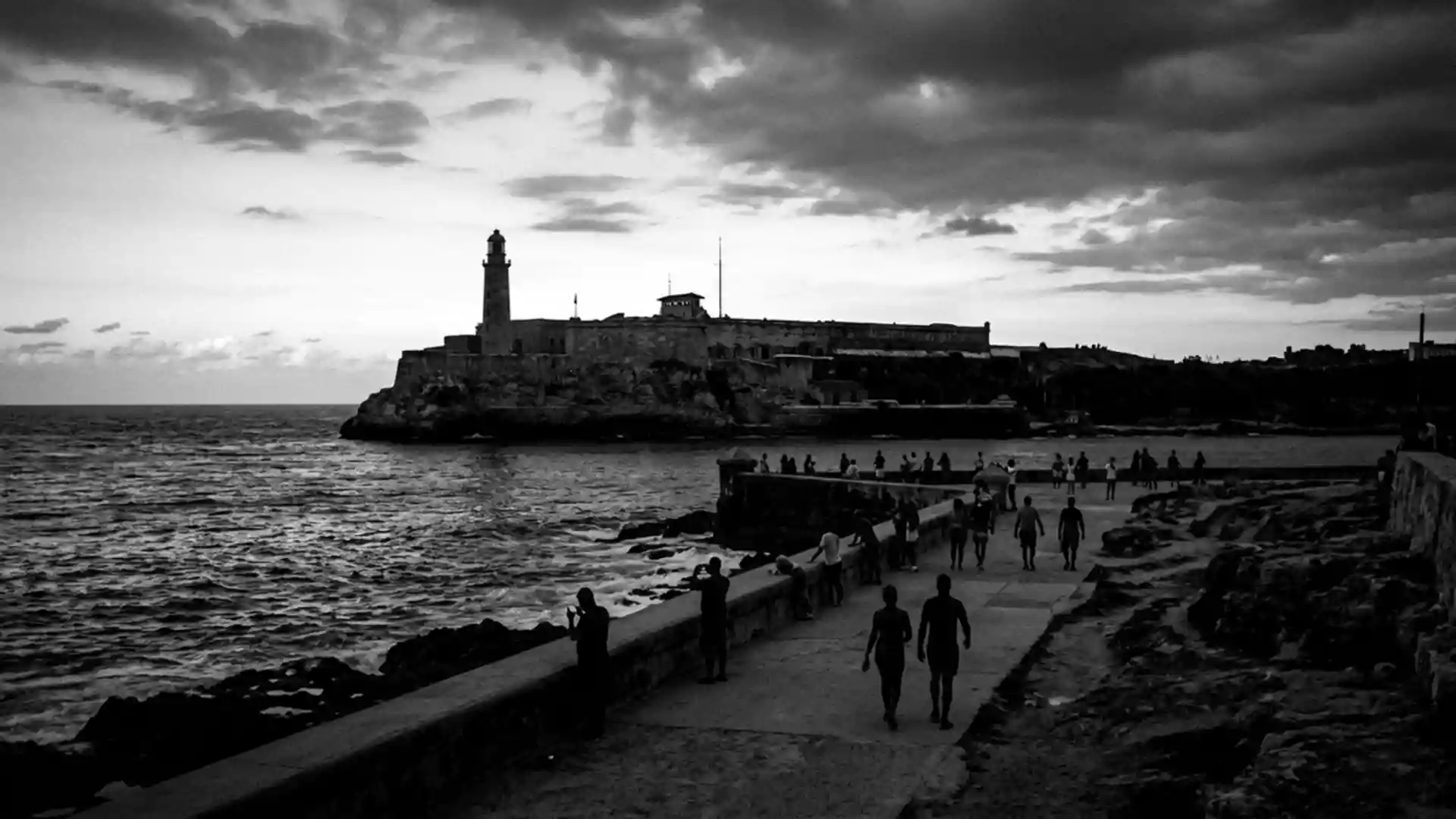
Castillo de los Tres Reyes del Morro above Havana’s harbour channel
Published on 09/11/2026 at 06:40 | Editorial responsibility: Rafael Müller, Editor-in-Chief AD HOC NEWS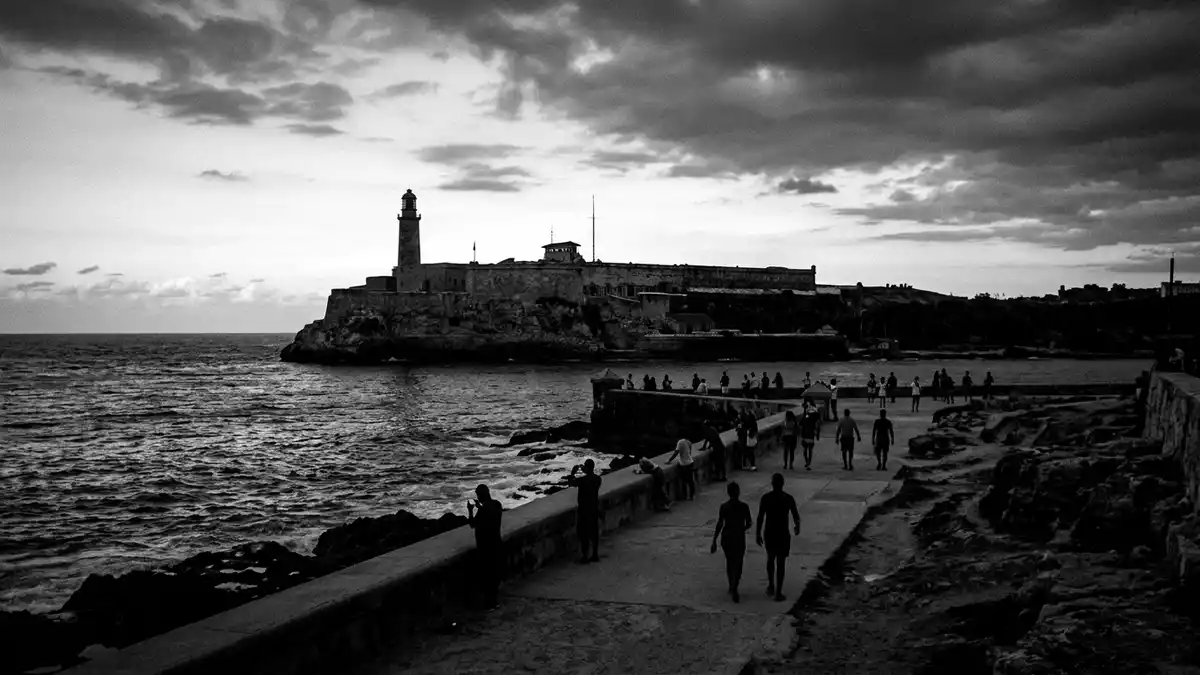
Castillo de los Tres Reyes del Morro rises on a rocky headland at the mouth of Havana Bay, its stone ramparts and lighthouse framing the narrow harbour channel that once controlled access to Cuba’s capital. Built under Spanish rule between the late sixteenth and early seventeenth centuries, the fortress is closely associated with the Italian military engineer Giovanni Battista Antonelli and the reign of Philip II of Spain.
A stone guardian at Havana’s harbour entrance
Seen from the old city across the water, Castillo de los Tres Reyes del Morro occupies a commanding position on a promontory that marks the entrance to the bay. The headland lifts the walls high above sea level, giving wide views over the harbour approaches and the coastline beyond. Together with its sister fort on the opposite side of the channel, the site defines the gateway through which merchant convoys and naval vessels once passed into Havana’s sheltered waters.the fortress rises on a rocky promontory The setting makes the castle one of the most prominent silhouettes in the city’s maritime panorama, especially when seen against the background of the urban skyline.
The fortress forms part of a wider chain of colonial fortifications around Havana, built by the Spanish Crown to secure its main Caribbean port. Alongside works such as the Castillo de la Real Fuerza and the batteries near the entrance channel, it helped create a defensive triangle around the early settlement of San Cristóbal de La Habana.fortresses formed a first defensive triangle From the heights of El Morro, as the castle is widely known, early garrisons could watch movements in and out of the harbour and co-ordinate with other strongpoints along the coast.
Late Renaissance fortification in the Spanish Empire
Construction of Castillo de los Tres Reyes del Morro began in 1589 under Philip II and continued into the early decades of the seventeenth century, giving the site a late Renaissance military character shaped by evolving artillery warfare.completed in the early seventeenth century Contemporary accounts and later research consistently credit Giovanni Battista Antonelli, known in Spanish sources as Juan Bautista Antonelli, with the design of the fortress.the design is attributed to Juan Bautista Antonelli His work on Havana followed earlier fortification projects elsewhere in the Spanish Empire, where he applied angled bastions and thick, relatively low walls suited to cannon fire.
The layout of Castillo de los Tres Reyes del Morro reflects these principles. The fortress is built of masonry, with bastioned fronts oriented toward the harbour entrance and the seaward approaches, while batteries and platforms accommodated artillery aimed at ships entering the bay.constructed between 1589 and 1640 Casemates, barracks and magazines are arranged within the enclosure, and a chapel dedicated to the Three Kings of Bethlehem gave the fortress its full name, Castillo de los Tres Reyes Magos del Morro, in many Spanish-language sources.Castillo de los Tres Reyes Magos del Morro
Siege, reconstruction and the lighthouse landmark
In the eighteenth century the fortress became a focal point in global conflict. During the Seven Years’ War, British forces besieged Havana and took Castillo de los Tres Reyes del Morro in 1762 after prolonged bombardment.the fortress was taken by the British in 1762 The fighting caused severe damage to the structure, including explosions that affected its defences. Under the Treaty of Paris of 1763 Cuba returned to Spanish control, and the castle underwent reconstruction directed by engineers such as Silvestre Abarca and Agustín Crame.reconstructed after 1763 under Spanish engineers
A lighthouse stands beside the main mass of the fortress, forming a vertical accent against the horizontal spread of the ramparts. The tower was added in the nineteenth century and later adapted to changing navigation technology, becoming an important aid for ships entering Havana Bay.its lighthouse is a harbour landmark In combination, the historic stonework and the beacon make Castillo de los Tres Reyes del Morro a recognisable maritime landmark for the city, linking centuries of defensive architecture with the practical needs of navigation.
Visiting Castillo de los Tres Reyes del Morro: what travellers from Western Europe should know
- Castillo de los Tres Reyes del Morro stands on a headland at the eastern side of the entrance to Havana Bay, opposite the historic centre of Havana and reached by road across the harbour channel.
- The terrain around the fortress consists of rocky ground and elevated ramparts, with stairways and internal passages that require walking across uneven surfaces and climbing steps.
- The official language is Spanish and the currency is the Cuban peso.
- Entry requirements depend on your nationality; UK travellers can check the FCDO travel advice at gov.uk/foreign-travel-advice, Irish travellers the Department of Foreign Affairs at ireland.ie.
Searching for Castillo de los Tres Reyes del Morro on social platforms
These links open searches for Castillo de los Tres Reyes del Morro on each platform.
Frequently asked questions about Castillo de los Tres Reyes del Morro
Where is Castillo de los Tres Reyes del Morro located?
Castillo de los Tres Reyes del Morro stands on a rocky headland at the entrance to Havana Bay in Havana, Cuba, facing the historic city across the harbour channel.
What can visitors expect when exploring the fortress?
Visitors encounter stone ramparts, artillery platforms, internal passages and a lighthouse beside the main walls, together forming a historic defensive complex overlooking the harbour approaches.
What makes Castillo de los Tres Reyes del Morro distinctive among Havana’s landmarks?
The combination of late sixteenth- and early seventeenth-century military architecture, its prominent position on the bay entrance and the attached lighthouse make the fortress a distinctive element of Havana’s maritime skyline.