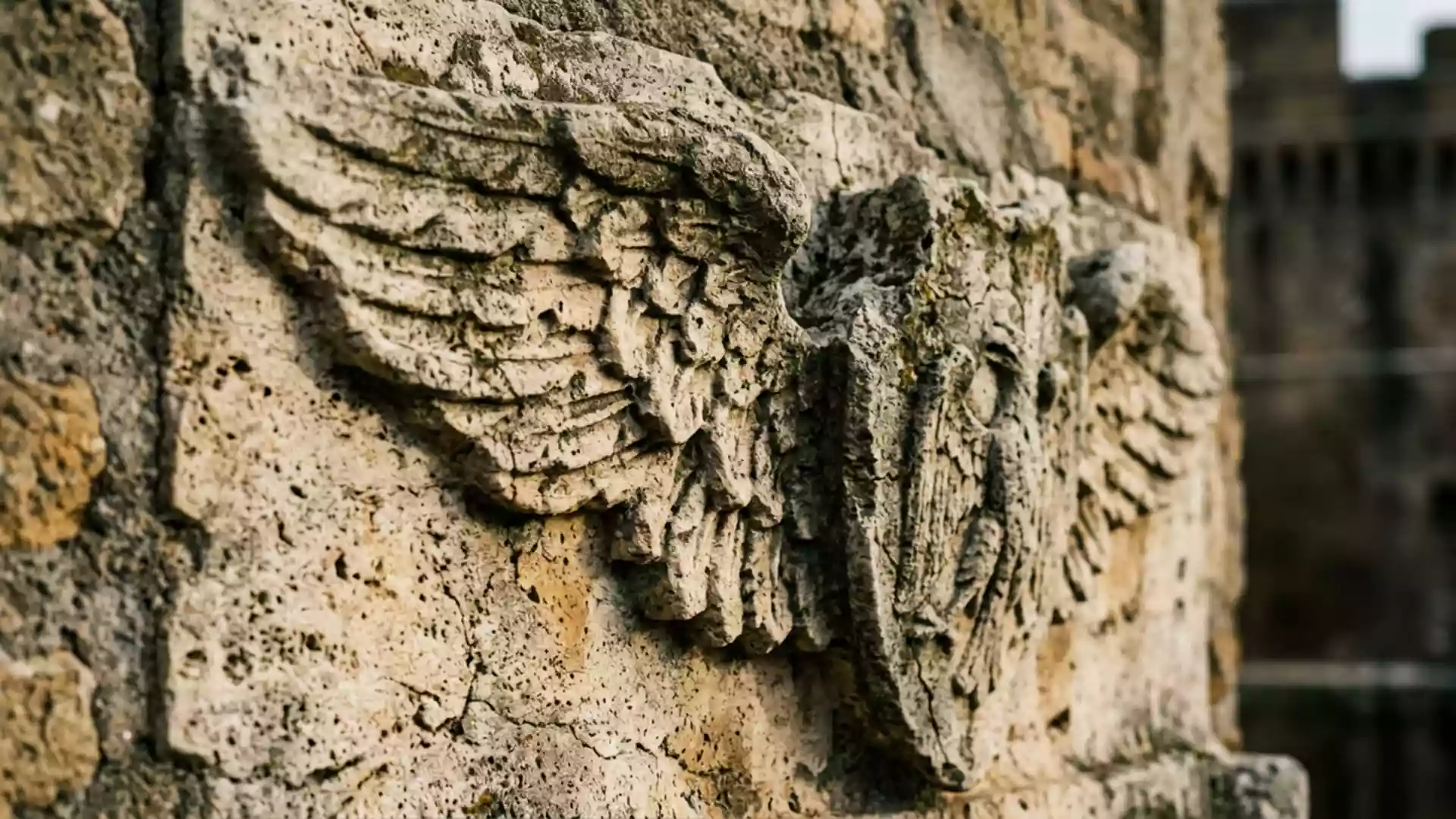
Castel Sant'Angelo in Rom: from Hadrian’s tomb to riverside fortress
Published on 09/03/2026 at 13:35 | Editorial responsibility: Rafael Müller, Editor-in-Chief AD HOC NEWS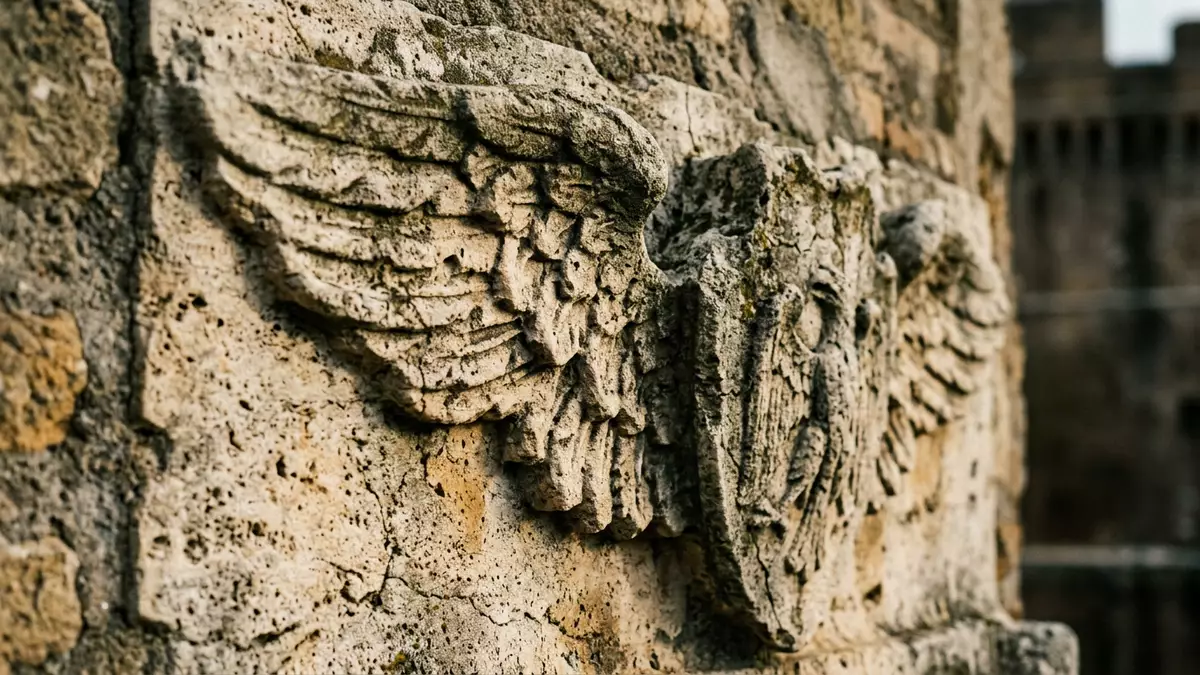
Castel Sant'Angelo on the Tiber in Rom is a rare monument where an imperial mausoleum, a papal fortress and a modern museum occupy the same massive structure, and nearly two millennia of history are layered into its stone.
From Hadrian’s mausoleum to medieval stronghold
Castel Sant'Angelo began life in the second century as the mausoleum of Emperor Hadrian, conceived as a grand dynastic tomb on the right bank of the Tiber opposite the historic centre of Rome.mausoleum of the Roman emperor Hadrian Hadrian had the structure erected in the 120s and 130s AD, and his successor Antoninus Pius completed the project, with Hadrian’s ashes placed here in 139 AD alongside those of later Antonine emperors.finished by Antoninus Pius in 139 AD
The mausoleum’s position gave it lasting strategic value: it rose on the Ager Vaticanus, the area that later became closely linked to the Vatican and St Peter’s, and stood beside one of the main crossings of the Tiber. By the late Roman Empire, the building had been integrated into the Aurelian Walls, turning the tomb into part of Rome’s defensive perimeter and foreshadowing its later life as a fortress.incorporated into the Aurelian Walls During the early Middle Ages, local rulers strengthened its defences to control the river crossing and protect the growing Vatican district, and the former mausoleum evolved into a compact, heavily fortified stronghold.
Papal fortress, refuge and residence
From the thirteenth century, Castel Sant'Angelo became closely tied to the papacy. In 1277 Pope Nicholas III acquired the fortress, bringing it under papal control and commissioning the covered passage known as the Passetto di Borgo, which runs between the Vatican and the castle and allowed popes to reach the stronghold under protection.acquired by the papacy in 1277 Over the following centuries, successive popes reinforced the outer walls, added bastions and adapted the structure for artillery, giving the building the compact, layered fortress silhouette that visitors recognise.
Within these walls, Castel Sant'Angelo served several roles at once. It functioned as a refuge in periods of conflict, including the Sack of Rome in 1527, when Pope Clement VII famously escaped into the fortress along the Passetto.Clement VII escapes via Passetto in 1527 Papal apartments were created and richly decorated, turning parts of the upper levels into an elevated residence, while lower sections housed storerooms, archives and treasury rooms, reflecting the castle’s importance within the Papal States.papal residence, refuge and prison For long stretches of its history, it also operated as a prison and tribunal, adding a darker dimension to its role as papal fortress.
Bridge, riverfront and museum today
Castel Sant'Angelo stands directly beside the Ponte Sant'Angelo, the bridge that carries traffic across the Tiber and links the historic centre of Rom to the Vatican side.guards the Ponte Sant’Angelo The bridge itself dates back to the Roman imperial period and was historically the approach to Hadrian’s mausoleum, making the relationship between fortress and crossing a defining feature of the riverside scene. Walking along the Lungotevere, the massive stone drum of the original mausoleum is visible at the core of the complex, wrapped in later fortification walls and topped by more recent structures.
By the nineteenth and early twentieth centuries, Castel Sant'Angelo’s military role waned as Rome’s defences changed, and the building was gradually reoriented towards heritage and public access. A formal museum structure emerged in the early twentieth century, and the castle is now home to the Museo Nazionale di Castel Sant'Angelo, where the building itself is one of the principal exhibits alongside collections of weapons, frescoes and decorative arts.Museo Nazionale di Castel Sant'Angelo The layered history from Hadrian to the papacy and beyond gives visitors a single site in which imperial, medieval and Renaissance Rom can be read from the stone.
Visiting Castel Sant'Angelo: what travellers from Western Europe should know
- Castel Sant'Angelo stands on the right bank of the Tiber in Rom, close to the Vatican district, and is reached on foot via Ponte Sant'Angelo or along the Lungotevere riverfront.
- The monument rises in several levels, with interior staircases and ramps; visiting involves walking through stone corridors and climbing steps within the fortress structure.
- Castel Sant'Angelo lies in Italy, where the official language is Italian and the currency is the euro.
- Entry requirements depend on your nationality; UK travellers can check the FCDO travel advice at gov.uk/foreign-travel-advice, Irish travellers the Department of Foreign Affairs at ireland.ie.
Searching for Castel Sant'Angelo on social platforms
These links open searches for Castel Sant'Angelo on each platform.
Frequently asked questions about Castel Sant'Angelo
Where is Castel Sant'Angelo located in Rom?
Castel Sant'Angelo stands on the right bank of the Tiber in Rom, beside Ponte Sant'Angelo and close to the Vatican district on the Ager Vaticanus.
What can visitors expect inside Castel Sant'Angelo?
Visitors move through a sequence of stone corridors, ramps and rooms that reflect the monument’s history as mausoleum, fortress, papal residence and museum, including decorated apartments and terrace views over the river.
What makes Castel Sant'Angelo distinctive among Rom’s monuments?
The building combines its original second-century mausoleum core with medieval and Renaissance fortifications, and its continuous use from Hadrian’s time to the modern museum makes it a compact record of Rom’s changing power.