Casco Viejo and its colonial plazas in Panama-Stadt
Published on 09/03/2026 at 08:28 | Editorial responsibility: Rafael Müller, Editor-in-Chief AD HOC NEWS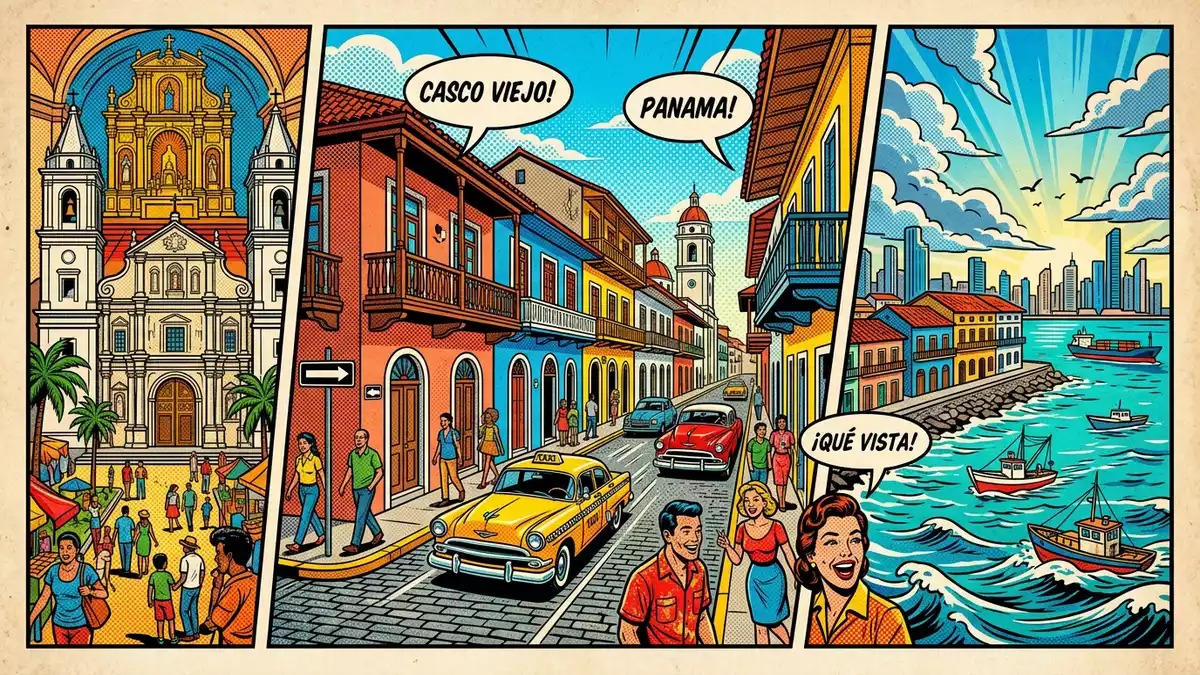
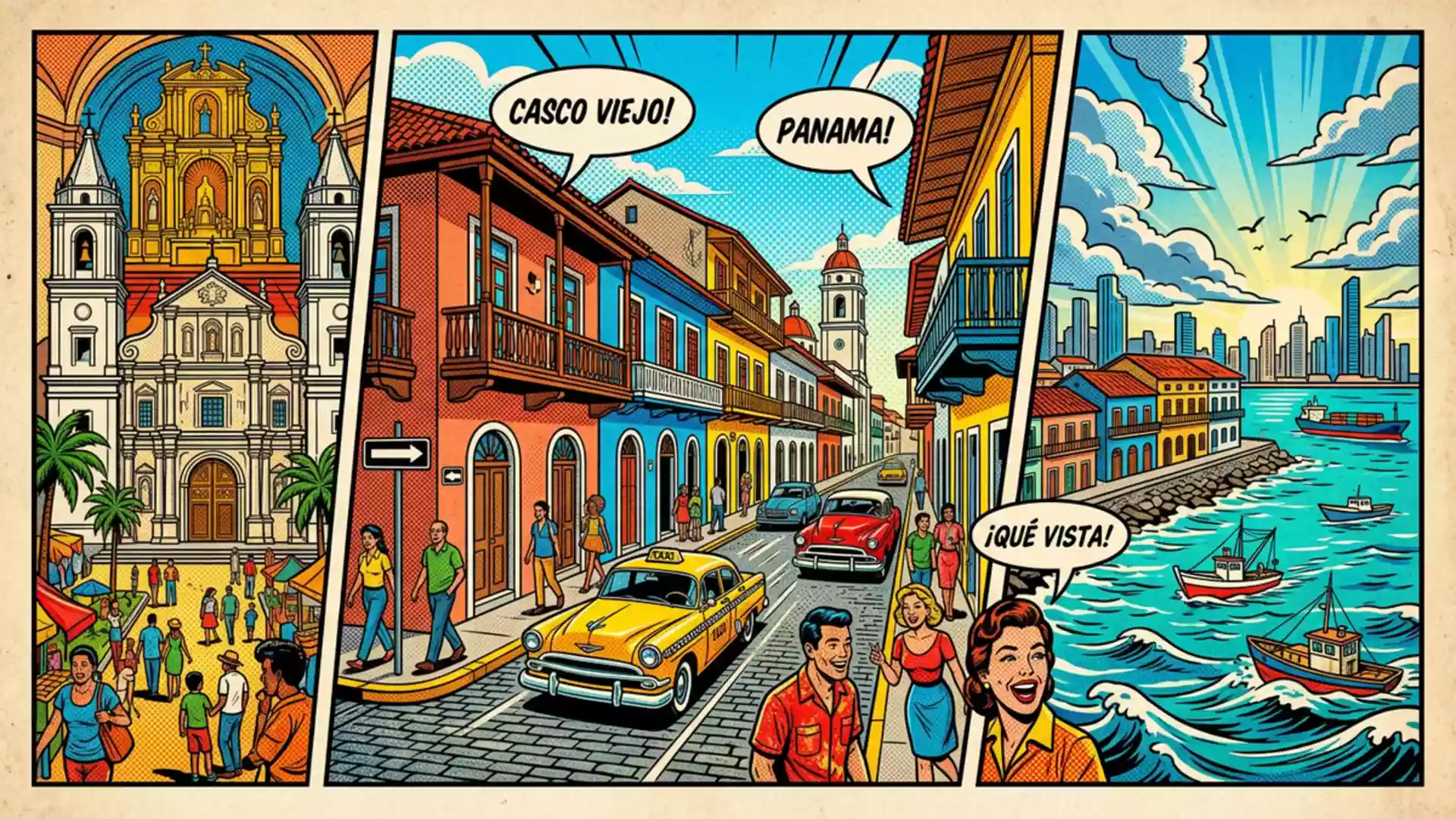
Casco Viejo is the historic district of Panama-Stadt, with a compact street plan, colonial façades and several public squares. Its core identity rests on the Spanish colonial city that rose here after 1673, and on the cathedral and plaza ensemble that still defines the area.
Casco Viejo’s colonial street grid and plazas
The district is known for its dense pattern of narrow streets, low-rise buildings and open squares. Plaza de la Independencia, also called Plaza Mayor and Plaza de la Catedral, sits at the centre of that setting, with the cathedral and civic buildings around it.Plaza de la Independencia
Casco Viejo belongs to the Historic District of Panamá, a UNESCO World Heritage site inscribed in 1997. The district combines Spanish colonial, neoclassical and Caribbean architecture, and that mix is visible in the masonry fronts, balconies and later insertions across the old quarter.UNESCO World Heritage site
The Metropolitan Cathedral at the centre
The Metropolitan Cathedral of Panama City stands on Plaza de la Catedral and is one of the district’s defining buildings. Work began in 1688, and the cathedral was completed and consecrated in 1796, giving the square a long architectural focus.
The façade is a substantial colonial composition, and the two towers frame the front of the church. The building is linked to the district’s post-1673 identity, when the new city took form after the earlier settlement was lost.
From Spanish colonial quarter to living district
Casco Viejo preserves an urban texture that still reads as a colonial quarter, yet its streets also carry later layers. Neoclassical fronts sit beside older masonry, and the district’s protected status has kept the street pattern legible.the second city
Las Bóvedas, the wall structures along the waterfront edge, belong to the defensive history of the district. They remain one of the clearest reminders that Casco Viejo is not just a collection of façades, but a fortified urban form.
Visiting Casco Viejo: what travellers from Western Europe should know
- Casco Viejo lies in Panama-Stadt, on the isthmus side of the city’s historic centre. It is reached on foot, by taxi and by public transport from the wider city.
- The district’s streets are level in parts and uneven in others, with paving, steps and narrow pavements around the older buildings.
- Plaza de la Independencia and Plaza de Francia give the area two clear public spaces, while the cathedral anchors the most recognisable square.
- The official language is Spanish and the currency is the balboa, which circulates alongside the US dollar.
- Entry requirements depend on your nationality; UK travellers can check the FCDO travel advice at gov.uk/foreign-travel-advice, Irish travellers the Department of Foreign Affairs at ireland.ie.
Searching for Casco Viejo on social platforms
These links open searches for Casco Viejo on each platform.
Frequently asked questions about Casco Viejo
Where is Casco Viejo?
Casco Viejo is the historic district of Panama-Stadt in Panama. It sits on the city’s old colonial core near the waterfront edge.
What can be seen on a visit?
The district offers plazas, church façades, civic buildings and streets shaped by the Spanish colonial plan. The cathedral square is the clearest starting point.
What makes Casco Viejo distinctive?
Its mix of colonial, neoclassical and Caribbean architecture gives the district a layered character. The UNESCO-listed historic district and the cathedral ensemble define that identity.