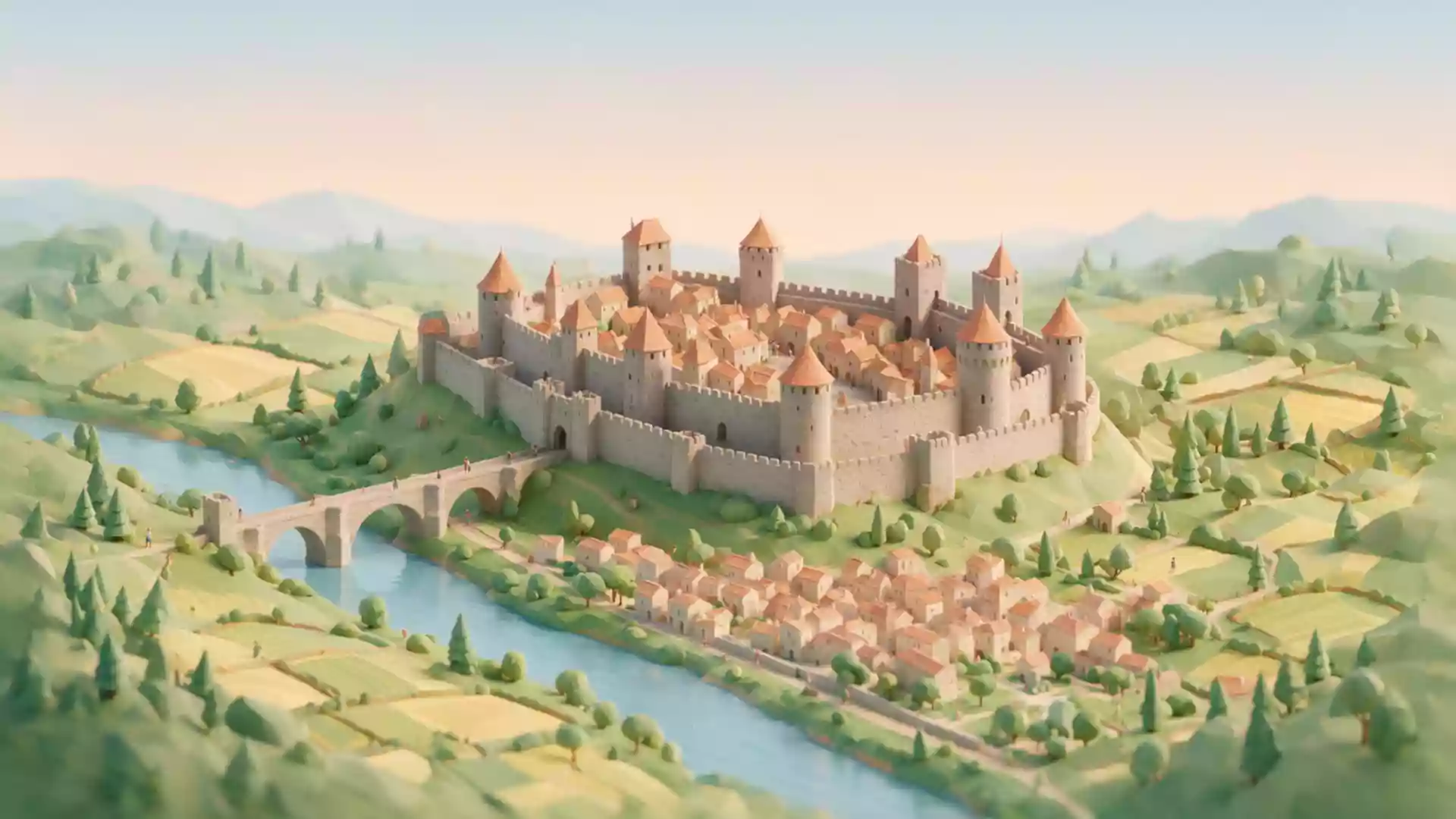
Carcassonne Medieval City gets royal name on 19 October
Published on 10/24/2026 at 09:36 | Editorial responsibility: Rafael Müller, Editor-in-Chief AD HOC NEWSRoyal name and medieval heritage
- The monument announced its new name, Royal Fortress of Carcassonne, on 19 October 2026.
- The change covers the castle and ramparts while leaving the monument itself unchanged.
- Carcassonne Medieval City has 52 towers, 3 km of ramparts and UNESCO status since 1997.
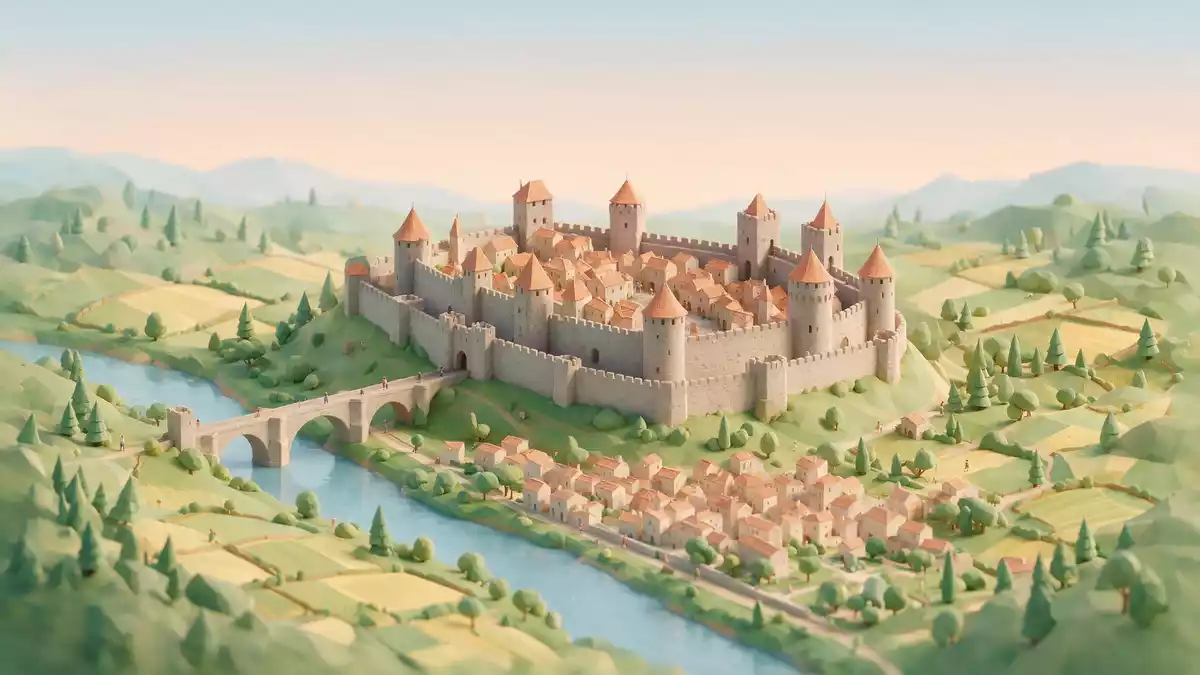
Carcassonne Medieval City (Cité de Carcassonne) gained a new official name on 19 October 2026, when its castle and ramparts became the Royal Fortress of Carcassonne. The change concerns the historic complex in Carcassonne, France, and gives travellers a new name to look for when planning a visit.
Royal Fortress name announced for Carcassonne
The monument announced the change on 19 October 2026. The new designation covers the castle and the surrounding fortifications, rather than the inhabited medieval district as a whole. The announcement was reported by Actu Occitanie and L’Indépendant.
The reasoning links the name to the site’s role as a major royal stronghold of Languedoc under the Capetian kings. It also connects the castle and walls with the wider group of fortified sites now presented as the Royal Fortresses of Languedoc. The announcement describes the change as a new designation, not a reconstruction or alteration of the buildings.
How the new name reflects the fortress history
The castle at the centre of the complex was built in the twelfth century by the Trencavels and modified over later centuries. The fortifications were restored between 1852 and 1879 under Eugène Viollet-le-Duc, a history recorded by the Carcassonne Tourist Office.
The medieval district has 52 towers and two concentric walls extending for 3 km. Its UNESCO World Heritage status dates from 1997. The new name therefore places the castle and ramparts within the royal defensive history, while the streets, homes and other parts of the inhabited district retain their place within Carcassonne’s living urban fabric.
What the 19 October name change means for visitors
For travellers, the practical effect is mainly terminological. The castle and ramparts remain the part of the complex associated with the paid monument visit, while much of the surrounding medieval district is freely accessible. Visitors searching for current information may encounter both the long-used descriptions and the new Royal Fortress name during the transition.
Visiting Carcassonne Medieval City: what travellers from Western Europe should know
- The Royal Fortress of Carcassonne name took effect on 19 October 2026 and refers to the castle and ramparts.
- The announcement describes a name change, not a closure or rebuilding, so the historic monument remains the subject of the visit.
- The medieval district is on the right bank of the Aude and can be reached through the Narbonnaise Gate or the Aude Gate.
- The site has 52 towers and 3 km of ramparts, with streets, walls and elevated viewpoints forming the main historic setting.
- French is the official language and the national currency is the euro.
Searching for Carcassonne Medieval City on social platforms
These links open searches for Carcassonne Medieval City on each platform.
Frequently asked questions about Carcassonne Medieval City
When did Carcassonne Medieval City adopt the Royal Fortress name?
The castle and ramparts adopted the name Royal Fortress of Carcassonne on 19 October 2026.
What has changed at Carcassonne Medieval City?
The change is the name used for the castle and ramparts. The announcement does not describe a rebuilding or closure.
Where is Carcassonne Medieval City and how do you get there?
The medieval district is in Carcassonne on the right bank of the Aude. Access is available through the Narbonnaise Gate and the Aude Gate.