
Caminito in Buenos Aires, a painted street turned open?air museum
Published on 09/16/2026 at 11:59 | Editorial responsibility: Rafael Müller, Editor-in-Chief AD HOC NEWS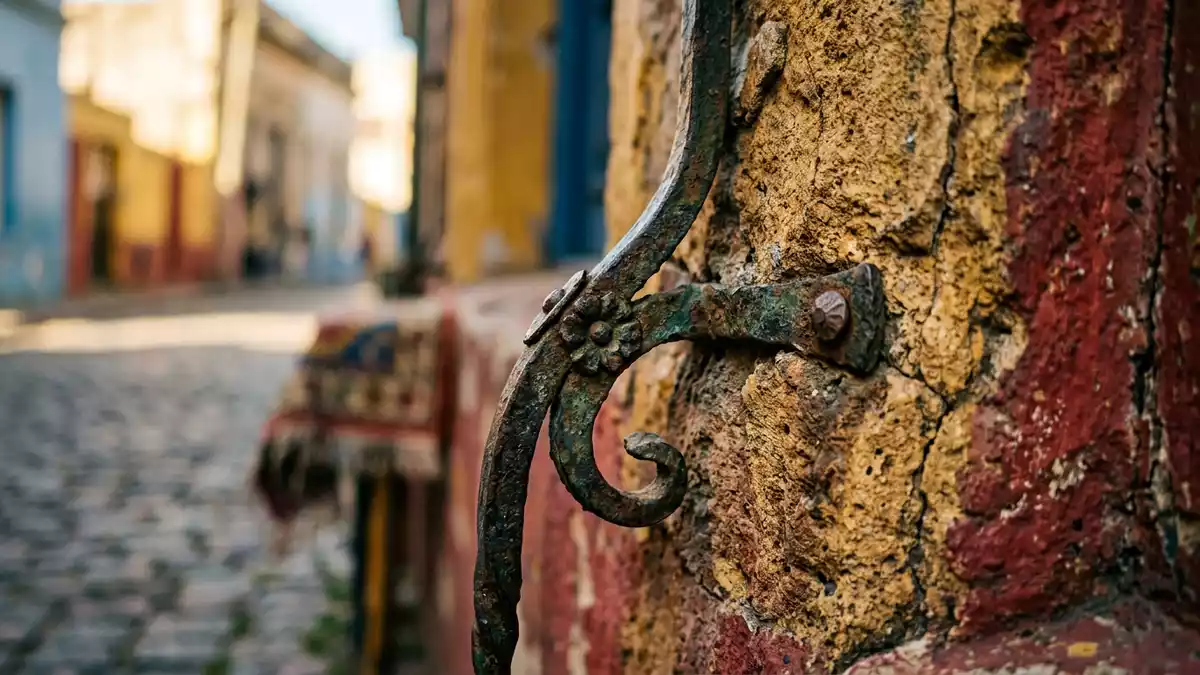
Caminito in Buenos Aires is a short pedestrian street in La Boca where brightly painted tin houses line a former railway cutting, forming an open?air museum of everyday urban life with roots in Italian immigration and tango in the twentieth century.
A narrow street turned museum under the Buenos Aires sky
Caminito runs through La Boca, the historic portside neighbourhood on the banks of the Matanza?Riachuelo River in the south of Buenos Aires. The passage follows the alignment of a disused railway branch that once connected the city with the port of Ensenada, later abandoned and reclaimed as a pedestrian walkway and museum street in 1959.museum street in 1959 The street is modest in length, yet it concentrates dense layers of urban history in a single corridor of façades, balconies and alleyways.
The small route that became Caminito had earlier carried a stream flowing into the Riachuelo, later replaced by tracks of the Ferrocarril Buenos Aires y Puerto de la Ensenada before the branch line closed in 1954.railroad closed in 1954 When trains stopped running, the cutting degenerated into an ill?regarded alley until neighbours and artists began to reclaim the space, transforming the former track bed into a paved pedestrian strip where houses and artworks face one another across a narrow, shared stage.former rail alignment
Colour, tin and the legacy of immigration in La Boca
The façades along Caminito are built from timber and corrugated sheet metal, materials linked with the conventillos, the tenement dwellings that Genoese immigrants raised in La Boca from the late nineteenth century onwards.wood and sheet metal tenements Shipyard salvage provided the tin panels and leftover marine paints, producing walls where each segment carried a different colour. Caminito fixes this patchwork aesthetic in place, with façades painted in strong blues, yellows, reds and greens that echo the district’s working?class origins.
La Boca grew as a port quarter during the late nineteenth and early twentieth centuries, receiving large numbers of immigrants from Genoa and other Italian regions who worked the docks and riverfront.Genoese immigration to La Boca Their crowded tenements and improvised metal structures created the built fabric that Caminito showcases, turning the street into a compact cross?section of that era’s housing and social life. Murals, sculptures and painted panels now sit among balconies and staircases, extending the colour beyond the original tin and wood to the artworks that inhabit the same narrow space.open?air street museum barely 100 metres long
Tango, Benito Quinquela Martín and cultural memory
The name Caminito links the street to tango: it is taken from the 1926 song “Caminito”, composed by Juan de Dios Filiberto, which drew on the image of an abandoned railway line, much like the siding in La Boca that later became the museum street.tango Caminito by Filiberto Performers and musicians use the corridor as a setting, connecting the painted houses with live tango demonstrations and reinforcing the link between the neighbourhood’s immigrant past and one of Argentina’s defining cultural forms.
The transformation of the alley into an open?air museum is closely associated with Benito Quinquela Martín, the painter born in La Boca whose work centres on harbour scenes and dockworkers.initiative of neighbours and artists In the 1950s Quinquela Martín, together with local residents, prepared and painted the walls along the former track, using strong pastel tones and inviting other artists to contribute pieces that would remain outdoors.painter Benito Quinquela Martín The Museo Quinquela Martín, located near the far end of the street, holds a significant collection of his paintings and sculpture, linking the compact museum street with a larger institutional space overlooking the Riachuelo.
Visiting Caminito: what travellers from Western Europe should know
- Caminito lies in La Boca in the south of Buenos Aires, close to the bend of the Matanza?Riachuelo River; it is reached by city buses or taxis from central districts.
- The street itself is level and paved, but the surrounding tenement houses have exterior staircases and balconies reached by flights of steps.
- La Boca is a low?lying riverside neighbourhood, and Caminito sits among closely spaced buildings, so views are framed by façades and the curve of the former railway cutting.
- The official language is Spanish and the currency is the Argentine peso.
- Entry requirements depend on your nationality; UK travellers can check the FCDO travel advice at gov.uk/foreign-travel-advice, Irish travellers the Department of Foreign Affairs at ireland.ie.
Searching for Caminito on social platforms
These links open searches for Caminito on each platform.
Frequently asked questions about Caminito
Where is Caminito in Buenos Aires?
Caminito is a short pedestrian street in La Boca, the historic portside neighbourhood on the Matanza?Riachuelo River in the south of Buenos Aires.
What should visitors expect when walking along Caminito?
Visitors encounter a compact corridor of brightly painted tin and timber houses, outdoor artworks, tango references and a layout that still follows a former railway cutting.
What makes Caminito distinctive among Buenos Aires streets?
Caminito combines a museum designation, a direct link to a 1920s tango, and a colour?saturated display of immigrant tenement architecture drawn from La Boca’s dockside past.


