

Burgos Cathedral closes on 12 October for El Pilar
Published on 10/11/2026 at 02:46 | Editorial responsibility: Rafael Müller, Editor-in-Chief AD HOC NEWSKey points in brief
- Burgos Cathedral will close to tourist visitors until 2pm on 12 October 2026.
- The temporary closure covers the morning of the El Pilar feast and affects the altar area and surrounding Plaza de San Fernando.
- The cathedral is dedicated to Santa María la Mayor and has been a UNESCO World Heritage site since 1984.
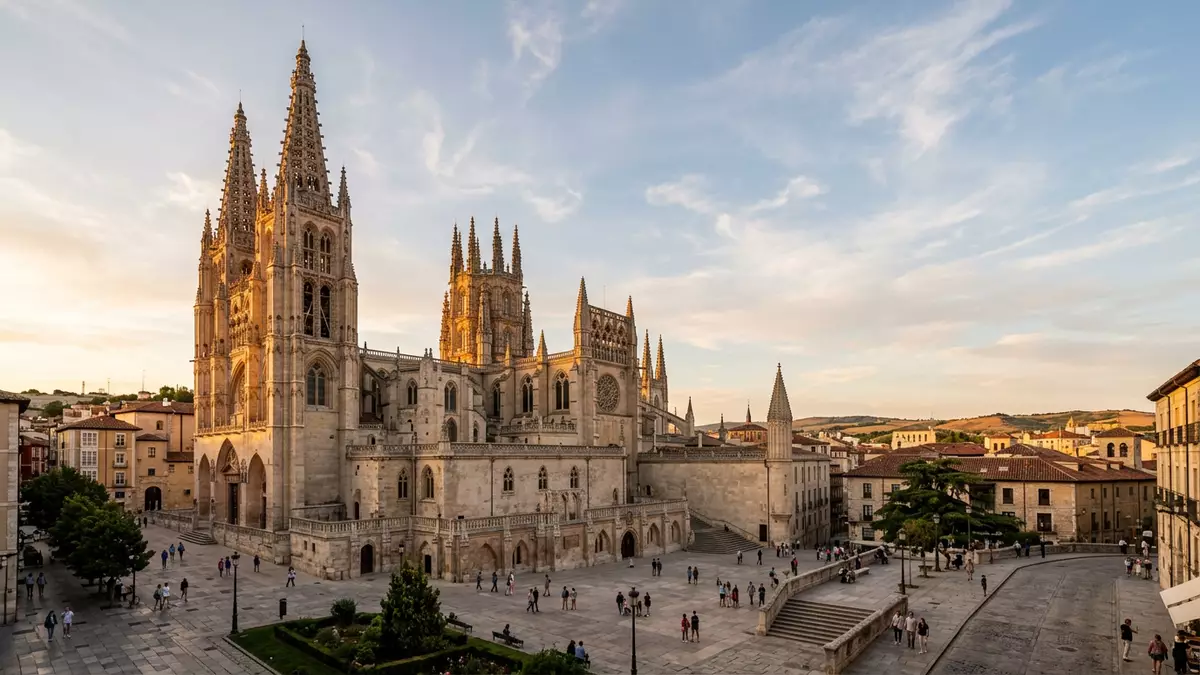
Burgos Cathedral (Santa María la Mayor) in Burgos will close to tourist visitors throughout the morning of 12 October 2026 for El Pilar observances in and around the cathedral. The operator says access will resume after 2pm, making the temporary restriction the key visit change for travellers in Spain on that date.
El Pilar closure affects Burgos Cathedral on 12 October
The cathedral’s visitor notice states that the building will be closed until 2pm on Monday, 12 October, the feast of El Pilar. The restriction is linked to a liturgical act at the high altar and subsequent Guardia Civil activities in Plaza de San Fernando.
The announcement comes from the cathedral’s visitor information page, which lists temporary changes caused by worship and activities around the building. The same notice also records an earlier Cid-related altar celebration on 4 October, but that restriction has already passed.
For visitors, this means that the main interior visit is unavailable during the morning of 12 October. The change concerns the central tourist experience rather than a side street or an outlying part of the site, because the notice says the cathedral itself will be closed to tourism.
Santa María la Mayor links the closure to a living monument
The cathedral is dedicated to Santa María la Mayor and is the first church of the Archdiocese of Burgos. Its custodian describes it as a sacred building as well as a monument that receives worshippers and visitors.
Construction began in 1221, and the cathedral has held UNESCO World Heritage status since 1984, according to the Archdiocese of Burgos. Those two dates place the 12 October restriction in a longer history: the building remains both an active place of worship and a protected cultural site.
That dual role explains the practical effect of El Pilar on the visit. The temporary closure is not a general change to the monument’s status, but it does remove the interior visit during the morning while the high altar is being used for a liturgical act.
Visiting Burgos Cathedral: what travellers from Western Europe should know
- On 12 October 2026, tourist access is closed during the morning and is scheduled to resume after 2pm, according to the cathedral’s visitor notice.
- The restriction applies to the cathedral itself and is connected with an El Pilar liturgical act at the high altar, followed by activities in Plaza de San Fernando.
- The building stands at Plaza de Santa María in Burgos, in the historic city centre. The Archdiocese lists the address as Plaza de Santa María s/n, 09003 Burgos.
- Spanish is the official language and the national currency is the euro. Visitors should allow for the possibility that worship-related restrictions can affect access inside this active religious building.
Burgos Cathedral combines a fixed historical setting with a changing religious programme, so the 12 October notice is especially relevant to anyone planning an early visit. The announced reopening after 2pm leaves the afternoon as the stated access period.
Searching for Burgos Cathedral on social platforms
These links open searches for Burgos Cathedral on each platform.
Frequently asked questions about Burgos Cathedral
What has changed at Burgos Cathedral on 12 October?
Tourist access is closed throughout the morning of 12 October 2026 for an El Pilar liturgical act and related activities around the building. The stated reopening is after 2pm.
Where is Burgos Cathedral and how do you get there?
It is at Plaza de Santa María s/n in Burgos, Spain. The cathedral stands in the historic city centre.
What is Burgos Cathedral?
It is the first church of the Archdiocese of Burgos, dedicated to Santa María la Mayor. Construction began in 1221 and it has been a UNESCO World Heritage site since 1984.


