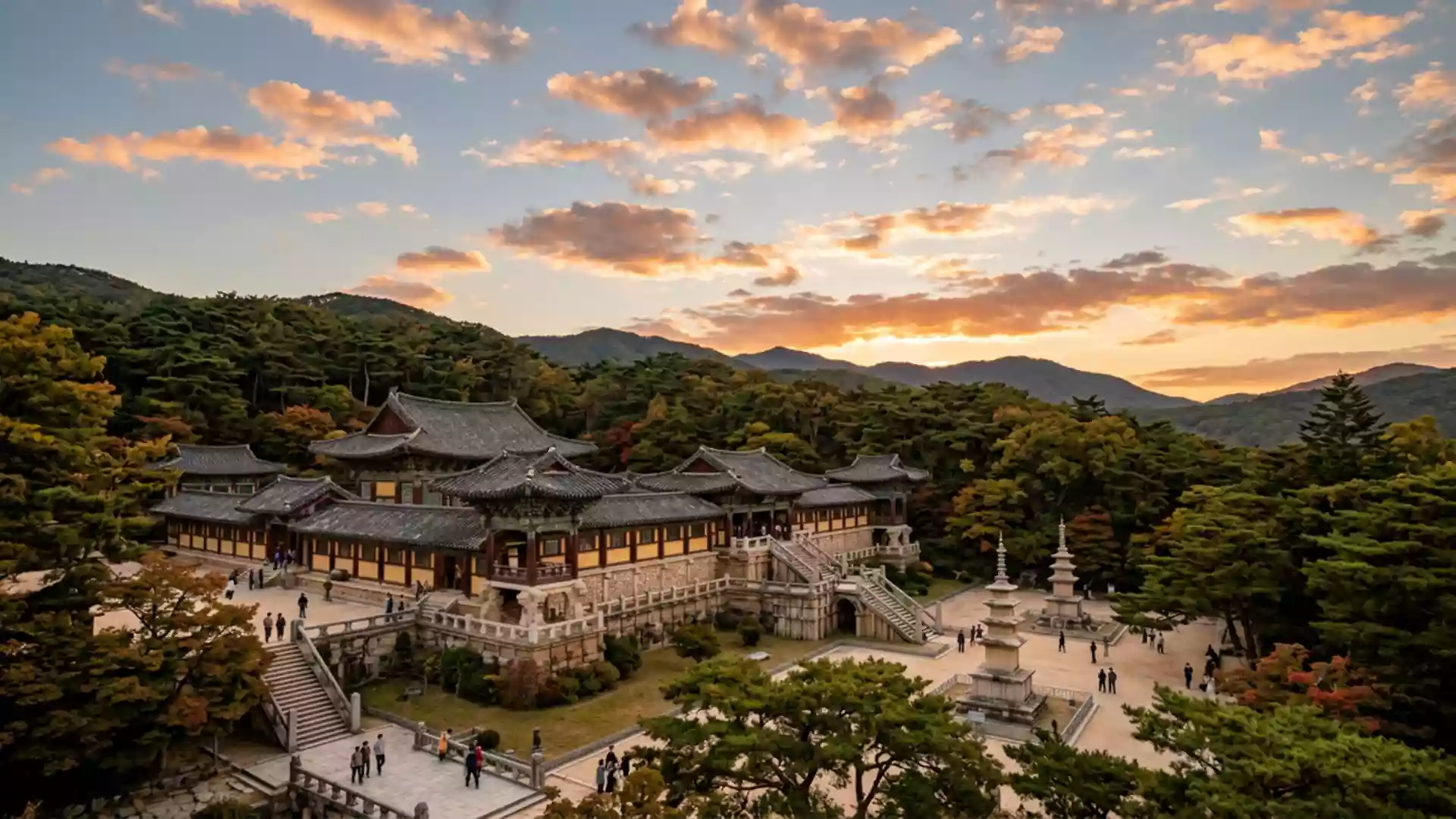
Bulguksa Temple appears in UNESCO series through 22 December
Published on 11/28/2026 at 10:20 | Editorial responsibility: Rafael Müller, Editor-in-Chief AD HOC NEWSSeries release and temple context
- UNESCO is releasing the Korea edition through 22 December 2026 on its official social media channels.
- The 24 November 2026 episode presents Bulguksa Temple and Seokguram Grotto as a linked heritage property.
- UNESCO records Bulguksa Temple as built in 774 and inscribed with Seokguram Grotto in 1995.
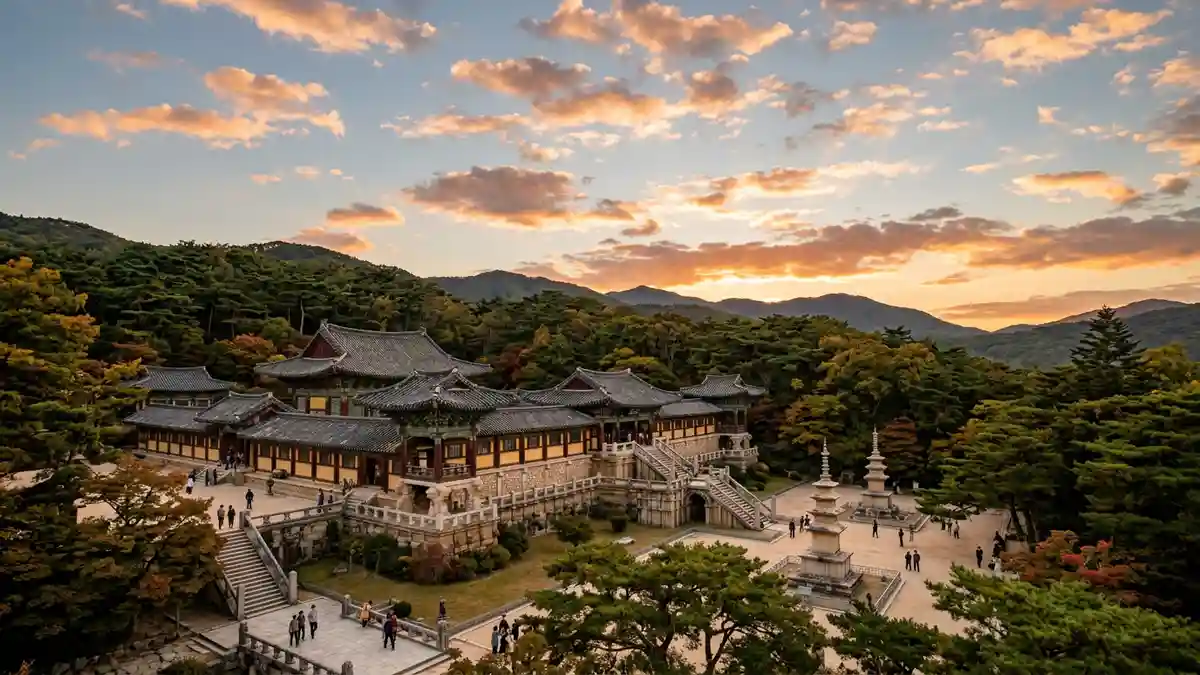
Bulguksa Temple and the UNESCO World Heritage Series meet in Gyeongju, where the temple's episode was released on 24 November 2026. The digital project continues through 22 December, giving viewers in South Korea and abroad access to a filmed presentation of the heritage site.
Bulguksa Temple episode runs through 22 December
The Korea edition of the fourth season is titled Korea: A Journey through Time. UNESCO is releasing short videos and interviews on its official social media channels, with the series covering six World Heritage properties and three living traditions.
The UNESCO production team filmed at Bulguksa Temple and Seokguram Grotto in Gyeongju from 28 July to 2 August 2026. The Korea Heritage Service said on 25 November that the Korea segment would continue through 22 December. A separate behind-the-scenes episode, recorded during filming in the last week of November, is also planned for the Instagram and YouTube channels of the World Heritage International Centre for Interpretation and Presentation.
The UNESCO series page identifies the Bulguksa Temple and Seokguram Grotto instalment as the latest release in the Korea sequence. The Korea Heritage Service describes the project as an international digital campaign about the value and preservation of heritage places.
Stone terraces connect the episode with Silla history
The physical site stands on the slopes of Mount Tohamsan above Gyeongju. UNESCO describes Bulguksa as a Buddhist temple complex of wooden buildings on raised stone terraces, divided into the Birojeon, Daeungjeon and Geungnakjeon areas.
The temple was built in 774, according to the UNESCO World Heritage record. Its stone terraces, bridges and the Seokgatap and Dabotap pagodas are presented there as examples of Silla masonry, linking the digital episode to the surviving layout rather than to a temporary installation.
Bulguksa Temple and Seokguram Grotto form one religious architectural complex of exceptional significance. The property was inscribed on the World Heritage List in 1995, while day-to-day management of the temple is assigned to Bulguksa Temple in the UNESCO record.
Visiting Bulguksa Temple: what travellers from Western Europe should know
- The UNESCO World Heritage Series features Bulguksa Temple and Seokguram Grotto in an episode released on 24 November 2026, while the Korea segment continues through 22 December 2026.
- The peg concerns a digital release and filming programme; the announcement does not state a closure, restricted entrance or changed physical access at the temple.
- The complex is in Gyeongju on the slopes of Mount Tohamsan, and its visitor setting includes raised stone terraces, bridges and pagodas.
- South Korea's official language is Korean and its national currency is the won.
- Entry requirements depend on your nationality; UK travellers can check the FCDO travel advice at gov.uk/foreign-travel-advice, Irish travellers the Department of Foreign Affairs at ireland.ie.
Searching for Bulguksa Temple on social platforms
These links open searches for Bulguksa Temple on each platform.
Frequently asked questions about Bulguksa Temple
When does the UNESCO series feature Bulguksa Temple?
The Bulguksa Temple and Seokguram Grotto episode was released on 24 November 2026. The Korea segment continues through 22 December 2026.
What is Bulguksa Temple?
It is a Buddhist temple complex on Mount Tohamsan, with wooden buildings, raised stone terraces, bridges and two prominent pagodas.
Where is Bulguksa Temple and how is it linked to UNESCO?
It is in Gyeongju, South Korea, and forms a World Heritage property with Seokguram Grotto. UNESCO inscribed the property in 1995.