Bryggen and Bergen’s wooden harbour front
Published on 09/05/2026 at 06:56 | Editorial responsibility: Rafael Müller, Editor-in-Chief AD HOC NEWS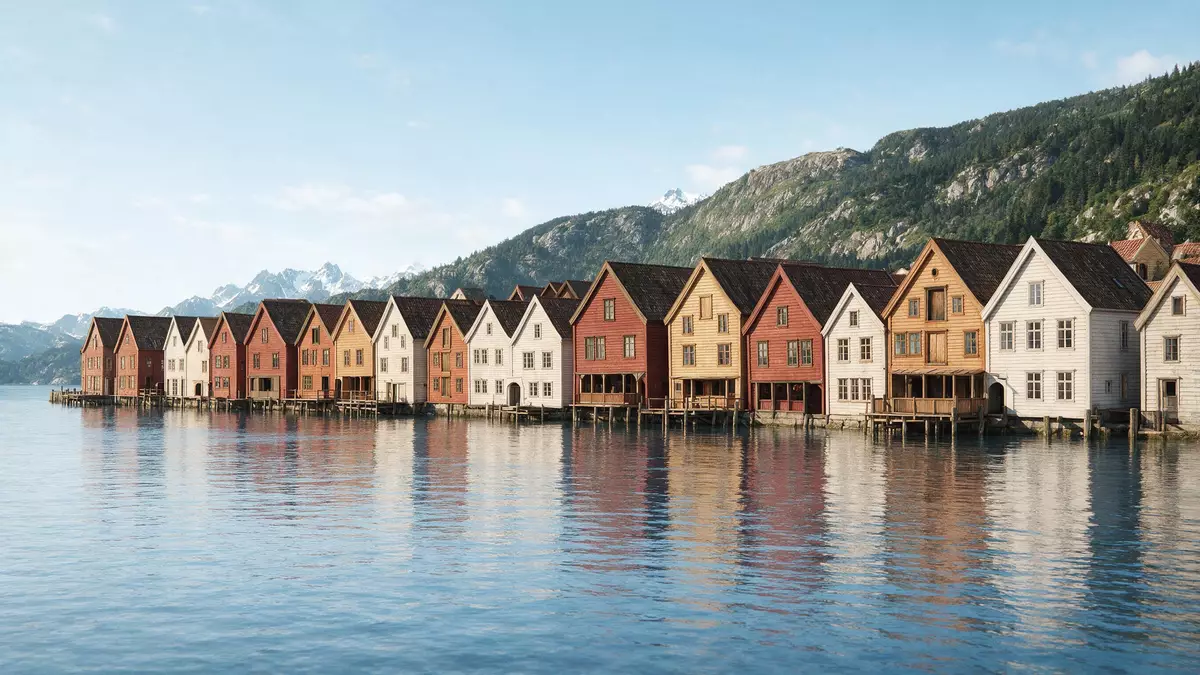
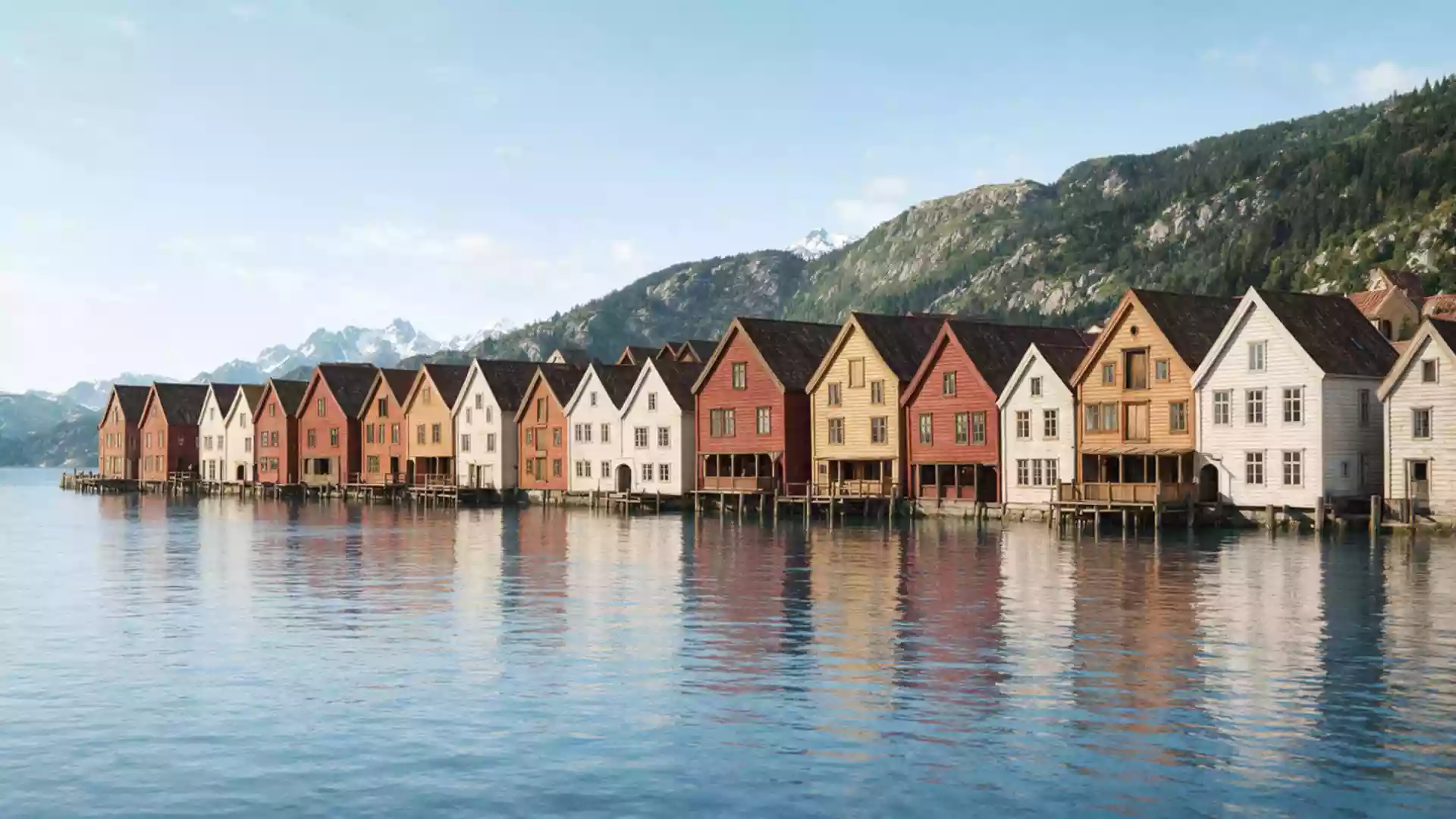
Bryggen is the timber harbour quarter on Bergen’s eastern waterfront, recognised by UNESCO in 1979. Its long rows of wooden fronts still present the profile of a Hanseatic trading district.
Bryggen’s timber rows and rear plots
The wharf faces Vågen harbour and forms a dense line of buildings along the water. Behind the fronts, narrow passages lead to rear plots and long wooden structures that extend back from the harbour edge. UNESCO’s Bryggen listing identifies the district as a reminder of Bergen’s role in Hanseatic trade from the fourteenth to the mid-sixteenth century.
The surviving quarter keeps the look of an older mercantile city, with timber buildings set in tight parallel lines. Bryggen remains one of Bergen’s clearest links with the Hanseatic League, and the harbour frontage still carries that historical layout.
Hanseatic Bergen in timber and stone
Bryggen’s identity comes from its merchant history, its wooden construction and its place within Bergen’s older harbour city. The district belongs to the same North European trading world that linked Bergen with the Hanseatic League’s overseas commerce.
The wharf was rebuilt after major fires, and its present form preserves a historic urban pattern rather than a single monumental block. Visit Norway’s Bryggen page places the rebuilding after the fire of 1702 and keeps the district within Bergen’s long architectural story.
Bryggen as a World Heritage harbour quarter
UNESCO’s inscription from 1979 gives Bryggen a formal place among the world’s cultural heritage sites. The listed area is associated with the Hanseatic merchants’ quarter, its warehouses and its working waterfront.
The visual character is easy to grasp: timber facades, narrow gaps and a waterfront arrangement that still reads as a medieval trading zone. Bergen kommune’s Bryggen page describes the district as a historic harbour area in one of North Europe’s oldest port cities.
Visiting Bryggen: what travellers from Western Europe should know
- Bryggen stands on the eastern side of Vågen harbour in central Bergen. It is reached on foot from the city centre and by local transport serving the harbour area.
- The district is compact, but the ground surface changes across the wharf and the passages between buildings are narrow.
- The harbourfront places timber buildings close to the water, with rear plots extending away from the quay line.
- Bryggen belongs to Bergen’s World Heritage area, so the historic wharf sits within a larger urban setting of protected heritage buildings.
Searching for Bryggen on social platforms
These links open searches for Bryggen on each platform.
Frequently asked questions about Bryggen
Where is Bryggen?
Bryggen is on the eastern side of Vågen harbour in Bergen, Norway. It forms part of the city’s historic waterfront.
What does a visit involve?
The area is a compact historic quarter with timber buildings, narrow passages and rear plots behind the harbourfront. The setting reads as a preserved merchant district.
What makes Bryggen distinctive?
Its main distinction is the surviving Hanseatic layout in wood, linked to a UNESCO World Heritage inscription from 1979. The quarter preserves the look of a medieval trading harbour.