
Boudhanath stupa and the Tibetan quarter of Kathmandu
Published on 09/21/2026 at 21:22 | Editorial responsibility: Rafael Müller, Editor-in-Chief AD HOC NEWS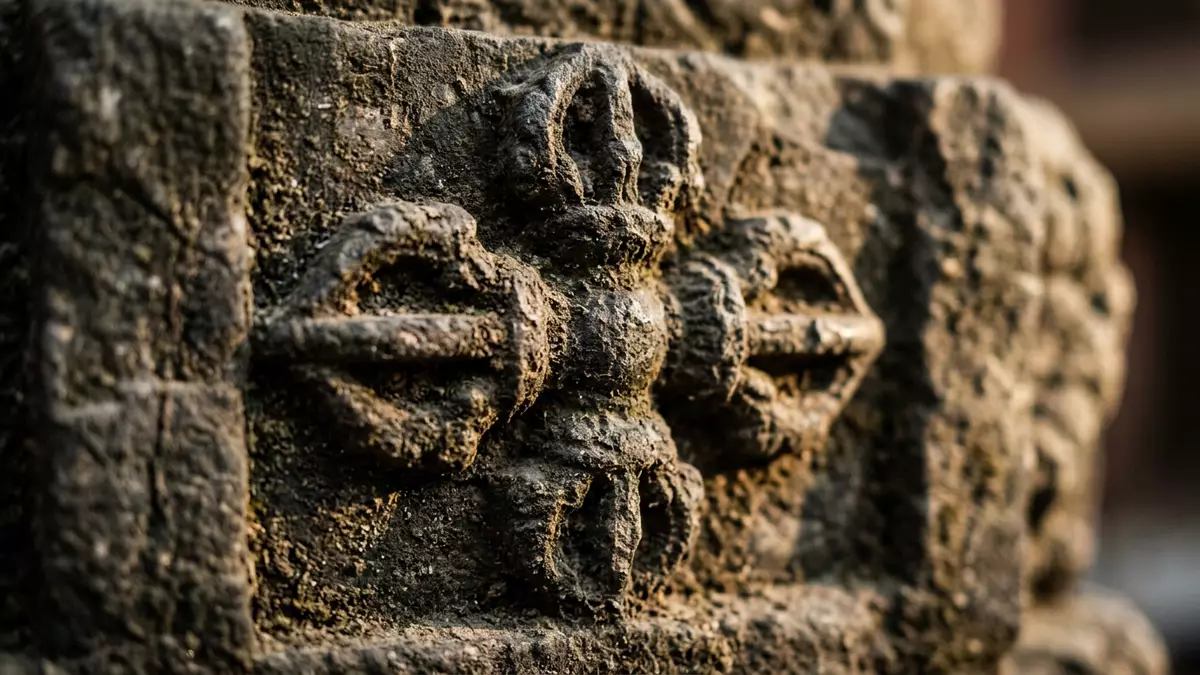
Boudhanath in Kathmandu is a giant white stupa surrounded by a tight ring of streets, monasteries and courtyards, forming one of the most distinctive Buddhist districts in Nepal. Rising above the eastern outskirts of the capital, it has become a major centre of Tibetan Buddhism since the mid twentieth century and is recognised as a UNESCO World Heritage site.
A mandala of white plaster and prayer flags
The core of Boudhanath is its great dome, a massive mandala form coated in white plaster that dominates the low urban skyline around it. Above the dome, a stepped plinth carries the square tower with painted eyes and the gilded spire, giving the stupa a height of around 36 m (118 ft) from base to finial36 m height. The whole composition sits at an elevation of about 1,400 m (4,593 ft) on the floor of the Kathmandu Valley1,400 m elevation, so the structure rises from an already high plateau.
The dome carries a smooth skin of limewashed plaster that is regularly renewed, giving it a bright surface against the surrounding brick buildings. Above it, rows of prayer flags run out from the spire to the edge of the plinth in radial lines, turning the stupa into the centre point of a coloured canopy that shifts with the wind. Around the base, a series of terraces and walkways form concentric levels for circumambulation, creating a layered platform whose geometry recalls the stepped mandalas of traditional Buddhist diagramslargest stupa in Nepal.
Eyes, numbers and symbolism in the stupa’s details
Boudhanath is strongly associated with Tibetan Buddhism, and many of its visible features echo that tradition. The square tower above the dome carries four large pairs of painted eyes, facing the cardinal directions and watching over the surrounding streets. Beneath each pair sits a stylised glyph often interpreted as the Nepali numeral for one, standing where a nose might be, while above them the gilded spire climbs in thirteen tiers that correspond to stages on the Buddhist path as described in Tibetan teachingthirteen spire tiers.
The dome itself is ringed by a series of niches, each housing an image of the Buddha Amitabha, with the total number reaching 108, a figure that recurs across Buddhist practice from the beads on a mala to the count of repeated mantras108 Amitabha niches. Around the plinth, metal prayer wheels stand in long runs, allowing circumambulating pilgrims to touch and spin them as they walk. Together these elements turn the stupa into a three-dimensional mandala that can be moved around as well as looked at, with number, colour and repeated forms all carrying doctrinal meaning.
A Licchavi-period foundation and UNESCO recognition
The origins of Boudhanath reach back to the Licchavi period of the fifth century CE, when a stupa was established on this route east of Kathmandufifth century CE foundation. Over later centuries the structure grew and took its present monumental form, becoming Kh?sti Chaitya or Boudha Mah?chaitya in local naming and attracting monastic foundations around its base. In 1979 it was inscribed on the UNESCO World Heritage list as part of the group of monuments of the Kathmandu ValleyUNESCO inscription 1979, recognising both its architecture and its religious significance.
The area around the stupa has a dense concentration of Tibetan Buddhist monasteries, or gompas, many of them founded by communities that settled here after leaving Tibet in the second half of the twentieth centuryTibetan Buddhist centre. Their multi-storey buildings line the circumambulatory street and radiate into the lanes beyond, often with upper-level assembly halls and rooftop terraces that overlook the dome. The mixture of Newar heritage, Nepali national context and Tibetan ritual practice gives Boudhanath a layered cultural character that reflects the wider history of Buddhism in the Himalayas.
Streets, monasteries and everyday life around the kora
Boudhanath is not isolated from the city around it; the stupa stands within the Boudha district on the northeastern side of Kathmandu, on and around Boudha RoadBoudha district location. Low-rise masonry buildings form almost a continuous ring around the central square, their ground floors occupied by shops selling prayer flags, butter lamps, books and incense, alongside teahouses and small restaurants. Above, balconies and windows look onto the stupa, giving residents a direct view of the circumambulation circuit.
The main approach streets converge on gateways that open into the circular space around the dome, where the paved kora route runs just outside the plinth. This route is shared by pilgrims, local residents and visitors, all moving clockwise with the stupa on their right, in line with Buddhist ritual customclockwise kora practice. Within the surrounding buildings, staircases lead up to flat roofs that function as terraces, some of which are used by cafes and monasteries as vantage points for observing ceremonies and everyday life in the square.
Visiting Boudhanath: what travellers from Western Europe should know
- Boudhanath lies in the Boudha district on the northeastern side of Kathmandu, near Boudha Road and a short distance west of Tribhuvan International Airport.
- The stupa stands on a raised plinth reached by flights of steps; the upper levels involve additional staircases, so visiting the terraces requires comfort with stair climbing.
- The surrounding neighbourhood is urban, with paved streets and closely spaced buildings; walking the circumambulation circuit involves moving on stone paving amid other pedestrians.
- The official language is Nepali and the currency is the Nepalese rupee.
- Entry requirements depend on your nationality; UK travellers can check the FCDO travel advice at gov.uk/foreign-travel-advice, Irish travellers the Department of Foreign Affairs at ireland.ie.
Searching for Boudhanath on social platforms
These links open searches for Boudhanath on each platform.
Frequently asked questions about Boudhanath
Where is Boudhanath located within Kathmandu?
Boudhanath stands in the Boudha district on the northeastern side of Kathmandu, on and around Boudha Road, a short distance from Tribhuvan International Airport.
What should a visitor expect when approaching the stupa?
Visitors enter a circular square ringed by low-rise buildings, with the white dome of the stupa rising from a stepped plinth and a paved circumambulation route crowded with prayer wheels.
What makes Boudhanath distinctive among Buddhist sites?
Its combination of a very large white dome, the four pairs of painted eyes, the thirteen-tiered spire and the surrounding Tibetan monasteries gives Boudhanath a scale and visual symbolism unusual among urban stupas.


