

Borobudur Temple limits access during restoration until 24 October
Published on 10/18/2026 at 04:30 | Editorial responsibility: Rafael Müller, Editor-in-Chief AD HOC NEWS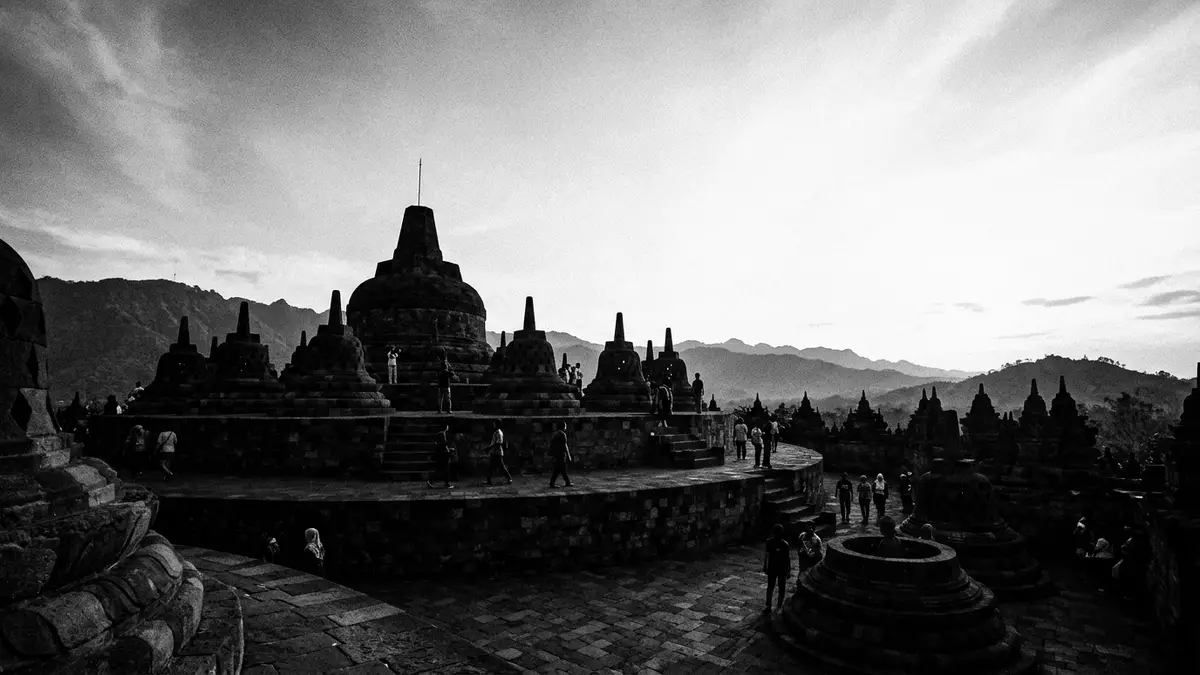
Borobudur Temple is undergoing restoration of its main stupa in Magelang, Indonesia, with access changes in force until 24 October 2026. The work concerns the upper structure, while the wider Buddhist monument remains open to visitors through adjusted routes.
Borobudur Temple restoration changes visits until 24 October
The Ministry of Culture, working through the Museum and Cultural Heritage agency, is restoring the yasti and conserving the Mahastupa. The work followed technical monitoring in August 2026, which identified shifts in the arrangement of stones, cavities and cracks in the yasti and harmika, as well as deterioration of stone in the main stupa.
The restoration is expected to finish on 24 October 2026, although the schedule may change with technical conditions on site. The ministry says the closed area will reopen in stages after a final safety inspection. A visitor access update published on 15 October 2026 records the current arrangements.
Why the main stupa restoration matters at Borobudur Temple
The work focuses on the highest part of the main stupa rather than closing the entire monument. The yasti is the upper structural element, while the harmika sits between the body and the top of the stupa; both are part of the area being assessed and conserved.
UNESCO describes the site as a Buddhist temple built in the eighth and ninth centuries in Central Java. Its main structure rises in three tiers, with five concentric square terraces, three circular platforms and a monumental stupa at the top. The walls and balustrades carry low reliefs covering 2,520 square metres, while 72 openwork stupas surround the circular platforms. The UNESCO World Heritage record places the monument in the Kedu Valley and identifies the wider property as the Borobudur Temple Compounds.
The current restoration therefore affects the point where the monument's three-tier design culminates. For visitors, the practical result is not a general closure but a shorter route to the upper levels and a temporary exclusion zone on the northern terrace.
Visiting Borobudur Temple: what travellers from Western Europe should know
- The restoration of the main stupa is scheduled to continue until 24 October 2026 at Borobudur Temple in Magelang.
- Regular and pilgrimage visits can reach level 8, or terrace 1. Sunrise and sunset visits can reach level 9, or terrace 2, while the northern terrace is temporarily closed as a work zone.
- The site lies in the Kedu Valley of Central Java, Indonesia. Magelang is the reference city named in the visitor information.
- The monument requires walking across terraces, stairs and galleries. Its three circular platforms and five square terraces form the route around the central stupa.
- Indonesia's official language is Indonesian and its national currency is the rupiah.
- Entry requirements depend on your nationality; UK travellers can check the FCDO travel advice at gov.uk/foreign-travel-advice, Irish travellers the Department of Foreign Affairs at ireland.ie.
Searching for Borobudur Temple on social platforms
These links open searches for Borobudur Temple on each platform.
Frequently asked questions about Borobudur Temple
When does the restoration take place at Borobudur Temple?
The restoration is scheduled to continue until 24 October 2026. The date may change if technical conditions require it.
What has changed at Borobudur Temple?
Regular and pilgrimage visits are limited to level 8, while sunrise and sunset visits can reach level 9. The northern terrace is temporarily closed as a work zone.
Where is Borobudur Temple and how do you get there?
It is in the Kedu Valley of Central Java, Indonesia, in the Magelang area. UNESCO identifies the site as part of the Borobudur Temple Compounds World Heritage property.


