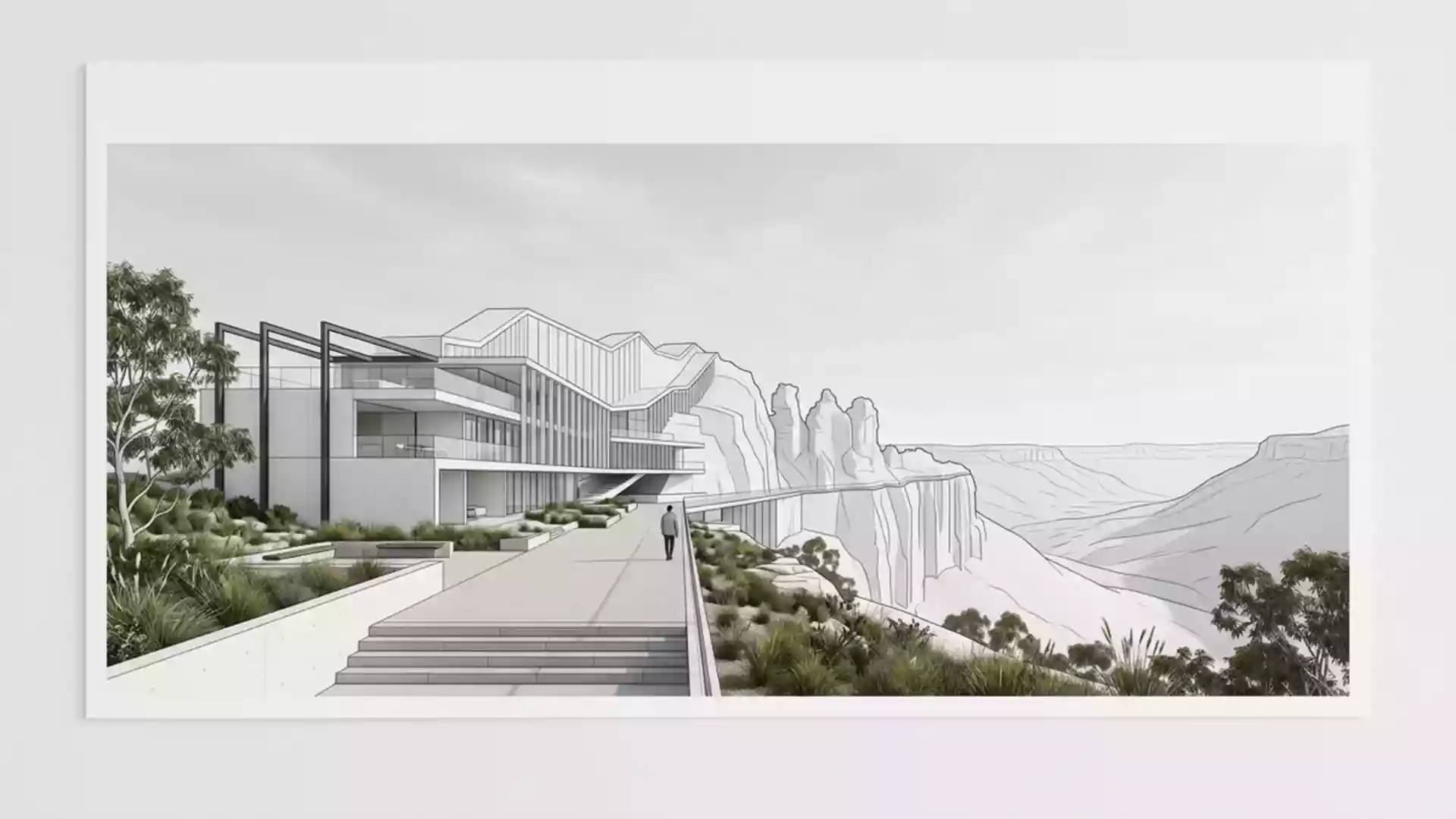
Blue Mountains and Katoomba in a sandstone world
Published on 09/11/2026 at 17:37 | Editorial responsibility: Rafael Müller, Editor-in-Chief AD HOC NEWS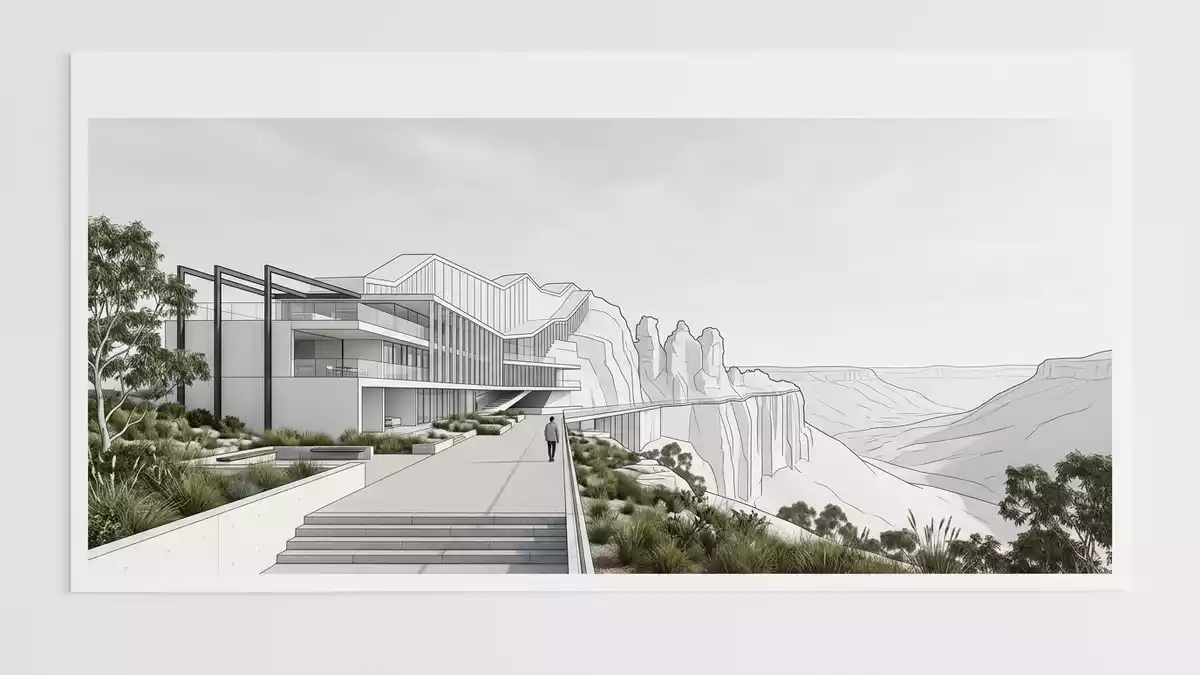
Blue Mountains near Katoomba is a sandstone landscape of cliffs, escarpments and forested valleys in New South Wales, Australia. The Greater Blue Mountains Area was inscribed in 2000, and its scale is part of the first impression.
Sandstone plateaux and deep valleys
The region belongs to a broad sandstone tableland cut by gorges and steep edges. Its World Heritage status reflects a landscape of eucalypt forest, rock walls and long views across the plateauxWorld Heritage place.
Near Katoomba, the Blue Mountains National Park places the town beside some of the best-known escarpment scenery in the area. The setting is shaped by sandstone, open bushland and sheltered valleysGreater Blue Mountains.
Katoomba as a mountain base
Katoomba is the nearest urban reference point for many visitors to the Blue Mountains. The town sits among roads, rail access and the park edge, so the landscape shifts quickly from streets to cliff country.
That contrast between settlement and high ground is one of the most readable features of the place. The Blue Mountains here are not a distant range on the horizon but a visible edge above the town and its lookouts.
World Heritage landscape and living bush
The Greater Blue Mountains Area was listed in 2000 and covers eight protected areas, including Blue Mountains National Park. Its formal designation belongs to a larger system of protected sandstone countrylisted in 2000.
That broader region is known for eucalypt-dominated vegetation, deep ravines and a strongly layered topography. The landscape feels continuous, yet the park system is made up of distinct reserves spread across the mountainseight protected areas.
Visiting Blue Mountains: what travellers from Western Europe should know
- The Blue Mountains are reached through Katoomba by road and rail from the Sydney side. The town is the main access point named in the area’s park information.
- The terrain includes escarpments, valleys and exposed cliff edges. Walks here involve uneven ground, steps and changes in altitude.
- Blue Mountains National Park and the Greater Blue Mountains Area lie in New South Wales. English is the official language and the currency is the Australian dollar.
- The place is linked with sandstone country, eucalypt forest and the Katoomba area. That mix gives the region a clear identity even before any walk begins.
Searching for Blue Mountains on social platforms
These links open searches for Blue Mountains on each platform.
Frequently asked questions about Blue Mountains
Where are the Blue Mountains?
They lie in New South Wales, Australia, with Katoomba as the best-known town reference point. The region forms part of the Greater Blue Mountains Area.
What does a visit involve?
Expect sandstone country, steep edges and access through a mountain town. The area is a mix of parkland, escarpment scenery and forested valleys.
What makes the place distinctive?
The landscape combines high sandstone plateaux, deep gorges and eucalypt forest. The 2000 World Heritage listing underlines that larger natural setting.