
Blue Mountains above Kingston: rainforest ridges and coffee slopes
Published on 08/27/2026 at 13:11 | Editorial responsibility: Rafael Müller, Editor-in-Chief AD HOC NEWS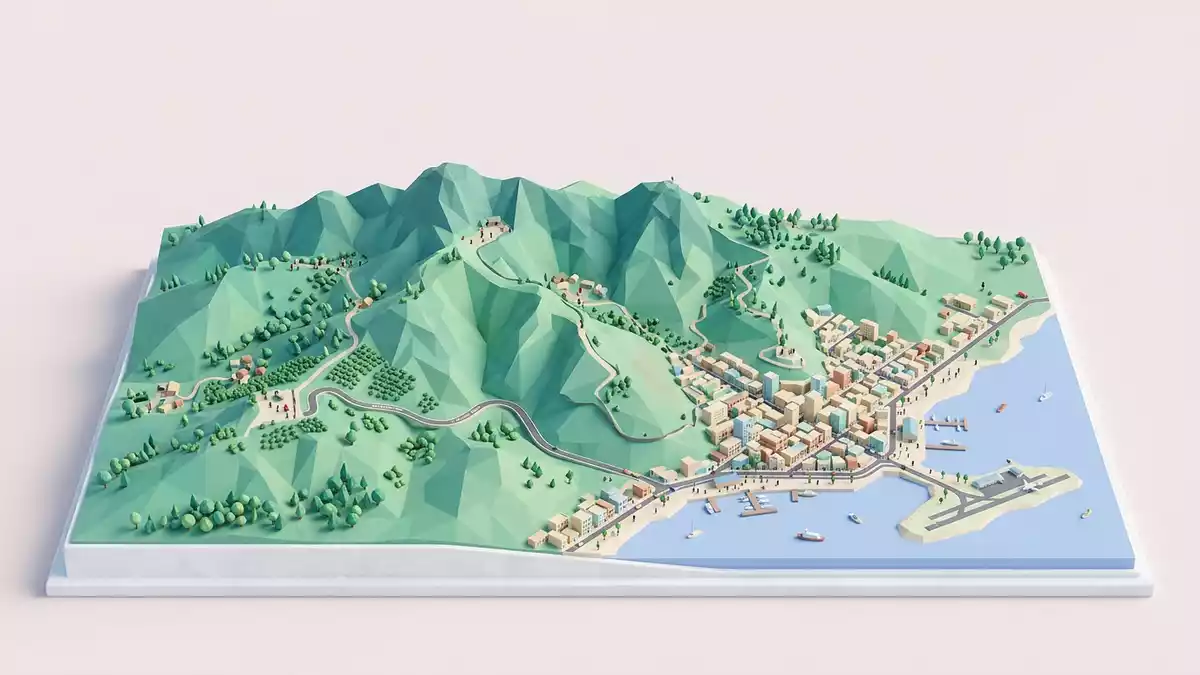
The Blue Mountains rise just north of Kingston as a long, forested ridge that shapes the eastern skyline of Jamaica’s capital and the wider island. Stretching across parishes in the island’s eastern interior, they culminate at Blue Mountain Peak, the highest point in Jamaica and one of the tallest summits in the Caribbean.
Rainforest ridges above the capital
The Blue Mountains form the longest mountain range in Jamaica, running for tens of kilometres from the hills near Kingston towards the island’s north-eastern shore.range in eastern Jamaica The ridge lies between Kingston to the south and coastal towns such as Port Maria and Port Antonio to the north, rising sharply from the lowland plains into steep slopes and narrow valleys.located between Kingston and the north coast
Blue Mountain Peak reaches about 2,256 m (7,402 ft), giving the range a cool, misty climate distinct from the coastal lowlands.Blue Mountain Peak elevation The upper slopes carry dense tropical montane rainforest, while lower elevations mix forest with small settlements and cultivated land. Around the summit, part of the ridge falls within a protected area that conserves native trees, ferns and a wide variety of endemic plants and birds.
World Heritage forest and Maroon history
A large portion of the eastern mountains forms the Blue and John Crow Mountains, a protected area recognised as Jamaica’s first UNESCO World Heritage Site.Blue and John Crow Mountains inscription The World Heritage property covers roughly 26,252 ha of tropical, montane rainforest within the larger Blue Mountain and John Crow ranges and is surrounded by a sizeable buffer zone that extends the conservation landscape across much of the eastern highlands.extent of the World Heritage property
These mountains were an important refuge for both the indigenous Tainos and later the Maroons, communities of formerly enslaved people who established settlements and routes through the forested interior.cultural heritage of Tainos and Maroons Trails, clearings and sites associated with these communities remain part of the cultural landscape of the Blue and John Crow Mountains, intertwining with the natural environment of ridges, valleys and rainforest.
Coffee slopes and mountain settlements
The name Jamaica Blue Mountain is also closely linked with coffee grown on the mountain slopes, particularly in the parishes of Saint Andrew, Saint Thomas, Portland and Saint Mary.coffee-growing parishes Certified Jamaica Blue Mountain coffee comes from a statutorily defined growing region within the wider Blue Mountain area, at elevations generally between about 914 m (3,000 ft) and 1,676 m (5,500 ft).certified Blue Mountain growing region
Higher, above the main coffee estates, the peaks and upper ridges are treated as forest reserve, protecting the remaining native vegetation and headwaters of mountain streams.forest reserve above coffee zone Villages and small farms cling to the slopes and valleys, linked by mountain roads and paths that trace the contours of the terrain. From many points, views open southwards towards Kingston and eastwards across successive ridgelines.
Visiting Blue Mountains: what travellers from Western Europe should know
- The Blue Mountains rise north of Kingston on Jamaica’s eastern side, with roads and local transport routes climbing from the city into the highlands.
- Terrain is steep and varied, with mountain roads, paths and long gradients on foot; some summit and forest areas lie at over 2,000 m (6,562 ft).
- Within the Blue and John Crow Mountains protected area, forested ridges, deep valleys and narrow trails require sure footing and preparedness for changing mountain weather.
- Outside the UK, Ireland and the EU, entry requirements depend on your nationality; UK travellers can check the FCDO travel advice at gov.uk/foreign-travel-advice, Irish travellers the Department of Foreign Affairs at ireland.ie.
- The official language is English and the currency is the Jamaican dollar.
Searching for Blue Mountains on social platforms
These links open searches for Blue Mountains on each platform.
Frequently asked questions about Blue Mountains
Where are the Blue Mountains in relation to Kingston?
The Blue Mountains rise just north of Kingston on Jamaica’s eastern side, forming a long ridge between the capital and the island’s north coast.
What should travellers expect on a visit to the Blue Mountains?
Travellers encounter steep mountain roads, forested slopes, cooler highland air and, in some areas, cultivated coffee estates and small settlements.
What makes the Blue Mountains distinctive in Jamaica?
The Blue Mountains combine Jamaica’s highest peak, extensive montane rainforest recognised as a World Heritage Site and a legally defined coffee-growing region on their slopes.


