
Big Ben and the vertical rhythm of Westminster
Published on 08/26/2026 at 07:19 | Editorial responsibility: Rafael Müller, Editor-in-Chief AD HOC NEWS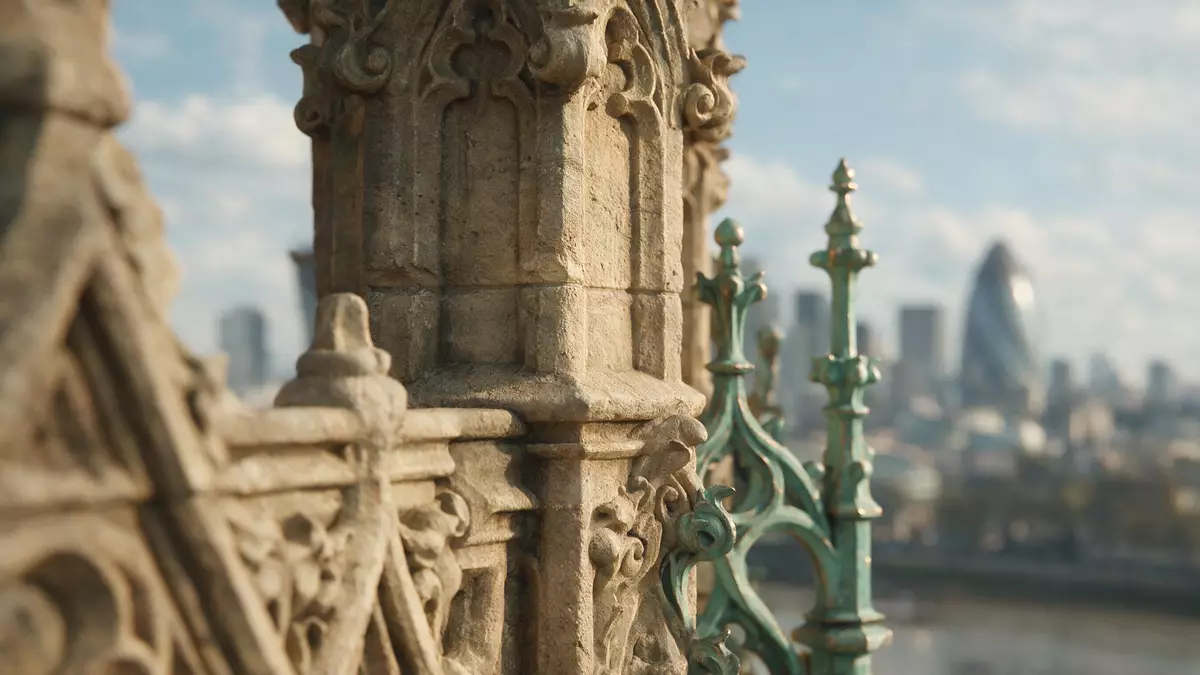
Big Ben stands at the north end of the Palace of Westminster, its clock tower rising above the Thames and the streets of central London with a strict, vertical rhythm. The tower is officially known as the Elizabeth Tower, a nineteenth?century structure whose clock and great bell have become shorthand for London itself.
A nineteenth?century tower of stone, iron and glass
The Elizabeth Tower forms part of the Palace of Westminster on the north bank of the River Thames in the London borough of Westminster. The tower reached completion in 1859, in the high Victorian era that reshaped much of the city’s riverside skyline.Completed in 1859 The English architect Augustus Pugin contributed the design of the tower, bringing the Gothic Revival language of pointed detailing and vertical emphasis to the structure.Augustus Pugin’s design
Rising to around 96 m (315 ft), the tower contains a series of internal floors and staircases that lead up to the clock level and onwards to the belfry and the Ayrton light near the top.Elevation and internal floors Stone and brick form the enclosing walls, while cast iron and glass shape the clock faces high above street level. Within this vertical stack sits the Great Clock of Westminster, whose mechanism occupies a frame several metres long and drives the four external dials that dominate the upper part of the tower.Great Clock mechanism
Big Ben: the Great Bell and the four?dial clock
Strictly speaking, Big Ben is the nickname of the Great Bell that hangs within the belfry of the Elizabeth Tower, although in common usage the name extends to the entire tower and its clock.Great Bell nickname The bell weighs roughly 13.7 metric tons, with a height of over 2 m and a diameter of more than 2.5 m, giving it a substantial presence inside the masonry shell.Massive hour bell Around it hang smaller quarter bells that strike musical notes on the quarter hours, setting out a pattern of sound that many listeners associate with the area around Westminster.
The Great Clock drives four external dials, one on each face of the tower. Each dial measures about 7 m across, with cast?iron framing and hundreds of individual pieces of opal glass forming the translucent surface.Clock dial dimensions The minute hands extend to around 4.2 m (14 ft), while the shorter hour hands reach roughly 2.7 m (9 ft), their black forms picked out against the pale glass and the gilded numerals around the edge.Minute and hour hands Above the dials sits the Ayrton light, a lantern that shines when the UK Parliament is in session, adding a small but significant signal to the tower’s night?time outline.Parliamentary lantern
The tower’s role in Westminster and London
Big Ben stands at the northern end of the Houses of Parliament, directly beside the Palace of Westminster’s riverfront, with the Thames flowing past its base and Westminster Bridge crossing the water immediately to the east.Location beside the Thames From the bridge and the embankment, the tower rises behind the river traffic and the stone balustrades, its clock faces visible above nearby government buildings and the low profile of the parliamentary chambers.
The tower forms one corner of the wider Palace of Westminster ensemble, a complex rebuilt in the nineteenth century after an earlier fire and now recognised as a major Gothic Revival landmark.Part of the Palace of Westminster Seen from across the river, its vertical lines contrast with the long, horizontal front of the palace, and its clock faces provide a strong visual focus above the dense stone tracery. For many visitors approaching from central London, the combination of the tower, the river and the bridge marks a clear transition into Westminster’s governmental district.
Visiting Big Ben: what travellers from Western Europe should know
- Big Ben rises beside the Palace of Westminster on the north bank of the Thames, a short walk inland from Westminster Bridge and the riverside walkways.
- The area around the tower is level city terrain with paved streets and broad pavements; viewpoints on Westminster Bridge and the embankment involve short walks on hard surfaces.
- The official language is English and the currency is the pound sterling.
- Entry requirements depend on your nationality; UK travellers can check the FCDO travel advice at gov.uk/foreign-travel-advice, Irish travellers the Department of Foreign Affairs at ireland.ie.
Searching for Big Ben on social platforms
These links open searches for Big Ben on each platform.
Frequently asked questions about Big Ben
Where is Big Ben in London?
Big Ben stands at the northern end of the Palace of Westminster in the borough of Westminster, on the north bank of the River Thames close to Westminster Bridge.
What can visitors expect when seeing Big Ben?
Visitors see the Elizabeth Tower rising above the parliamentary complex, with four large clock faces, river views from nearby bridges and a dense backdrop of government buildings.
What makes Big Ben distinctive among London landmarks?
The combination of a nineteenth?century Gothic Revival tower, a four?dial clock and the massive Great Bell known as Big Ben gives the structure a clear identity on the Westminster riverfront.


