
Bale Mountains National Park, where Ethiopia’s highlands meet the sky
Published on 09/15/2026 at 14:42 | Editorial responsibility: Rafael Müller, Editor-in-Chief AD HOC NEWS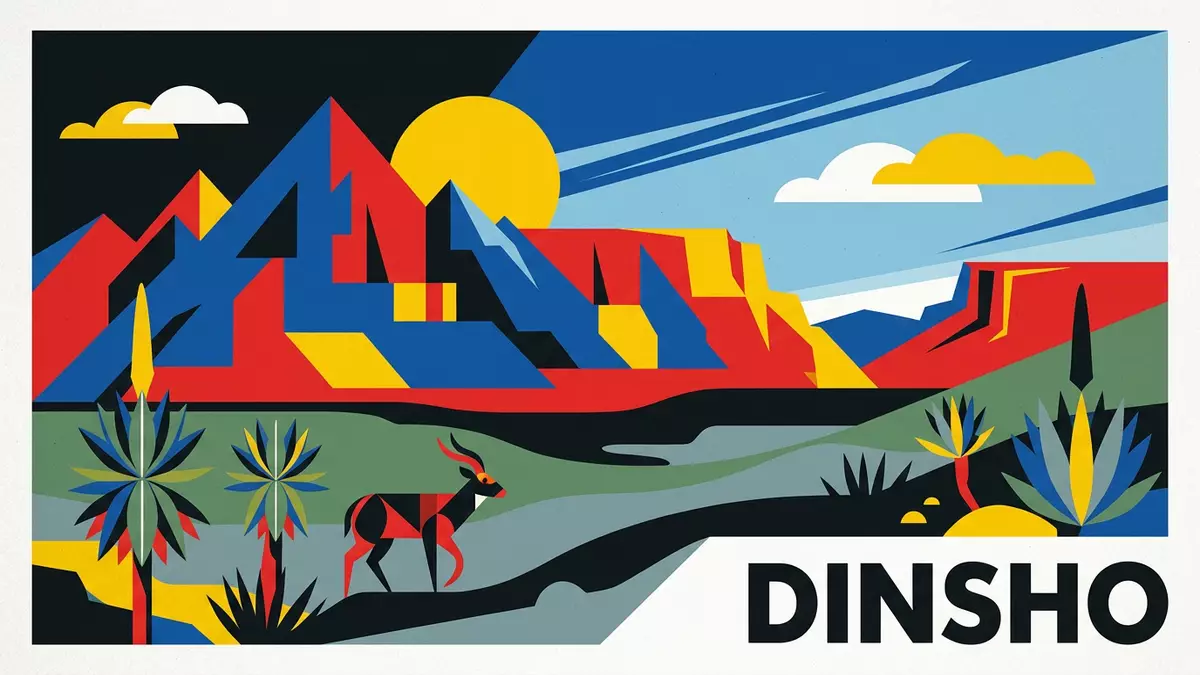
Bale Mountains National Park in Ethiopia’s Oromia Region rises above Dinsho in a sweep of high plateaux, volcanic peaks and deep forested valleys that feel like a different world from the lowlands below. It protects Afro?alpine grasslands, cloud forest and riverine woodland in one continuous mountain landscape, making it a key stronghold for some of Ethiopia’s rarest wildlife and plants in a setting that remains largely shaped by geology and elevation.
Afro?alpine heights and the Sanetti Plateau
The core of Bale Mountains National Park is the Bale–Arsi massif, a section of the south?eastern Ethiopian Highlands where lava flows and erosion have produced broad uplands and dissected valleys. The park forms part of this massif in the Bale Zone of Oromia Regional State and covers a substantial area of mountain terrain that lies several hundred kilometres south?east of Addis Ababa.Bale-Arsi massif in the south-eastern Ethiopian Highlands The high ground reaches elevations of over 4,000 m (13,123 ft), with Mount Tullu Dimtu standing as the highest point on the Sanetti Plateau.
The Sanetti Plateau is one of the most distinctive features of the park, an extensive Afro?alpine tableland of grasslands, shrublands and scattered rocky outcrops lying within the protected area.Sanetti Plateau within Bale Mountains National Park The plateau’s open landscape, punctuated by shallow valleys and pools, provides habitat for endemic mammals and high?altitude birds. It is here that the endangered Ethiopian wolf, the world’s rarest wild canid, maintains its largest remaining population in the wild.largest population of Ethiopian wolf Other notable species such as the big?headed African mole rat and mountain nyala also inhabit these upper slopes, adapted to the thin air and cool temperatures of the high plateau.
Forest, rivers and wildlife around Dinsho
Dropping away from the bald uplands, Bale Mountains National Park transitions into belts of high?altitude forest and river valleys that surround the park headquarters at Dinsho. The area around Dinsho is known for juniper–hagenia woodland and river meadows that provide feeding grounds for mountain nyala and bushbuck, which are among the emblematic ungulates associated with the park.Dinsho area with juniper-hagenia forest Paths from the headquarters lead through these forests and along streams, where travellers can encounter endemic bird species and see the vegetation patterns that change with elevation and aspect.
Further south, the terrain plunges into the Harenna Forest, one of the most extensive remaining natural forests in Ethiopia, which lies within the boundaries of Bale Mountains National Park.Harenna Forest within the park Here, moist montane forest occupies steep slopes and sheltered valleys, with stands of giant bamboo, tree heathers and diverse understorey plants creating dense cover along the hillsides. Rivers rise on the plateau and cut down through this forest belt, feeding streams and waterfalls that eventually drain towards the surrounding lowlands. The combination of upland moorland, mid?altitude forest and riparian corridors makes the park an important biodiversity hotspot within Ethiopia’s protected?area system.
Protection status and conservation significance
Bale Mountains National Park was established in the twentieth century to safeguard Afro?alpine habitats and associated endemic species on this section of the Ethiopian Highlands.established as a national park It has since been recognised for its role in conserving the largest continuous expanse of Afro?alpine habitat in Africa and for harbouring species whose global survival depends heavily on conditions within its boundaries. The park’s formal status has developed over time, culminating in legal protection and demarcation in the 2010s, and it is listed among properties of outstanding natural value on UNESCO’s World Heritage register.UNESCO World Heritage listing
Conservation efforts in Bale Mountains National Park focus on managing grazing pressures on the high plateau, maintaining the integrity of forest cover in the Harenna and other wooded zones, and monitoring key species such as the Ethiopian wolf and mountain nyala. The park’s mosaic of ecosystems ranges from montane grassland to Erica scrub and evergreen forest, each supporting specialised flora and fauna that differ markedly across short distances.mosaic of ecosystems in the park For travellers, this means that a journey from Dinsho to the Sanetti Plateau and down towards the forest passes through distinct ecological zones, making the area a compact overview of Ethiopia’s high?altitude natural heritage.
Visiting Bale Mountains National Park: what travellers from Western Europe should know
- Bale Mountains National Park lies in the Bale Zone of Oromia Region in south?eastern Ethiopia, with its headquarters and main entrance at Dinsho beside the all?weather road linking Robe and Goba.
The park is reached overland from Addis Ababa via towns such as Adama, Asela, Dodola, Shashamene and Robe, with the road continuing from Dinsho across the Sanetti Plateau and into the Harenna Forest. - The terrain within the park ranges from elevated plateaux above 4,000 m (13,123 ft) to forested slopes and river valleys, so visitors encounter steep gradients, high altitude and variable weather on foot and by vehicle.
- In Ethiopia the official language is Amharic alongside regional languages such as Afan Oromo, and the national currency is the Ethiopian birr.
- Entry requirements depend on your nationality; UK travellers can check the FCDO travel advice at gov.uk/foreign-travel-advice, Irish travellers the Department of Foreign Affairs at ireland.ie.
Searching for Bale Mountains National Park on social platforms
These links open searches for Bale Mountains National Park on each platform.
Frequently asked questions about Bale Mountains National Park
Where is Bale Mountains National Park and how is Dinsho involved?
Bale Mountains National Park is in the Bale Zone of Ethiopia’s Oromia Region, and Dinsho serves as the headquarters town and main entrance to the protected area.
What can travellers expect on a visit to the park?
Travellers encounter Afro?alpine plateaux, high volcanic peaks, montane forests and river valleys, with opportunities to see Ethiopian wolves, mountain nyala and diverse high?altitude birdlife.
What makes Bale Mountains National Park distinctive among African mountain parks?
The park protects one of Africa’s largest continuous Afro?alpine landscapes and holds the main wild population of the endangered Ethiopian wolf within a legally recognised World Heritage property.


